// SPACE.COM — SPAZIO & SCIENZA
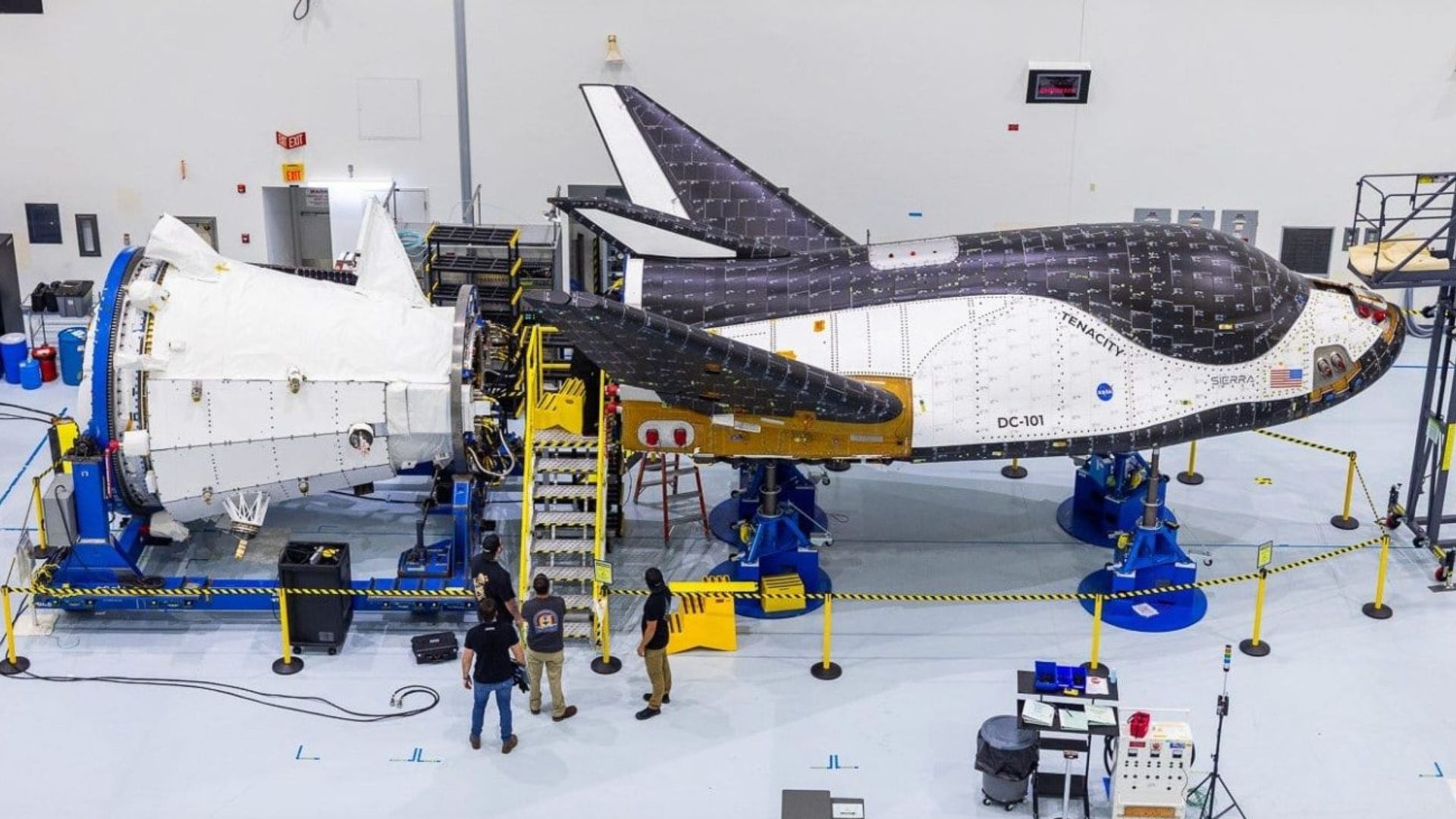
Dream Chaser space plane gets landing approval for debut mission in 2027
"Sonic booms are anticipated but would be temporary, short in duration, and limited."
When you purchase through links on our site, we may earn an affiliate commission. Here’s how it works.
The Dream Chaser space plane just cleared a major hurdle ahead of its planned spring 2027 spaceflight debut.
Dream Chaser just received U.S. Federal Aviation Administration (FAA) approval for its return to Earth on that robotic mission, either at the space shuttle landing facility at NASA's Kennedy Space Center in Florida or at Vandenberg Space Force Base in California.
"Thank you to the FAA for its collaboration and support of commercial space innovation," representatives of Sierra Space, the Colorado company that builds Dream Chaser, wrote on X on Monday (Nov. 9).
The FAA's environmental assessment found that Dream Chaser "would not significantly impact the quality of the human environment" under the National Environmental Policy Act, the agency stated. (It should also be noted that the U.S. has lately been suggesting that environmental laws should be bypassed to meet quickly rising demand for launches and landings.)
For example, for a potential return at Vandenberg, "sonic booms are anticipated but would be temporary, short in duration, and limited to 1.1 PSF [pounds per square foot] or less, which is similar to a thunderclap," the FAA stated.
The 30-foot-long (9 meters) Dream Chaser has been in development for more than two decades. It has yet to launch to space, though it has completed a couple of drop tests from the air. Dream Chaser was an entrant in NASA's Commercial Crew series of contracts to ferry astronauts to and from the International Space Station (ISS), but it didn't end up making the cut; in 2014, NASA picked Boeing's Starliner and SpaceX's Crew Dragon to provide this taxi service.
The following year, Sierra Nevada Corporation — then the entity in charge of Dream Chaser — unveiled a cargo version of the space plane. In 2016, NASA selected the company to conduct at least six uncrewed cargo flights to the ISS, but development delays repeatedly pushed those missions into the future.
Dream Chaser was originally expected to fly those robotic resupply missions on United Launch Alliance's workhorse Atlas V rocket. A few years ago, however, the space plane switched over to Vulcan Centaur, the successor to the venerable Atlas V.