// SPACE.COM — SPAZIO & SCIENZA
Nonprofit Common Space will launch 1st 'humanitarian satellite' in 2027
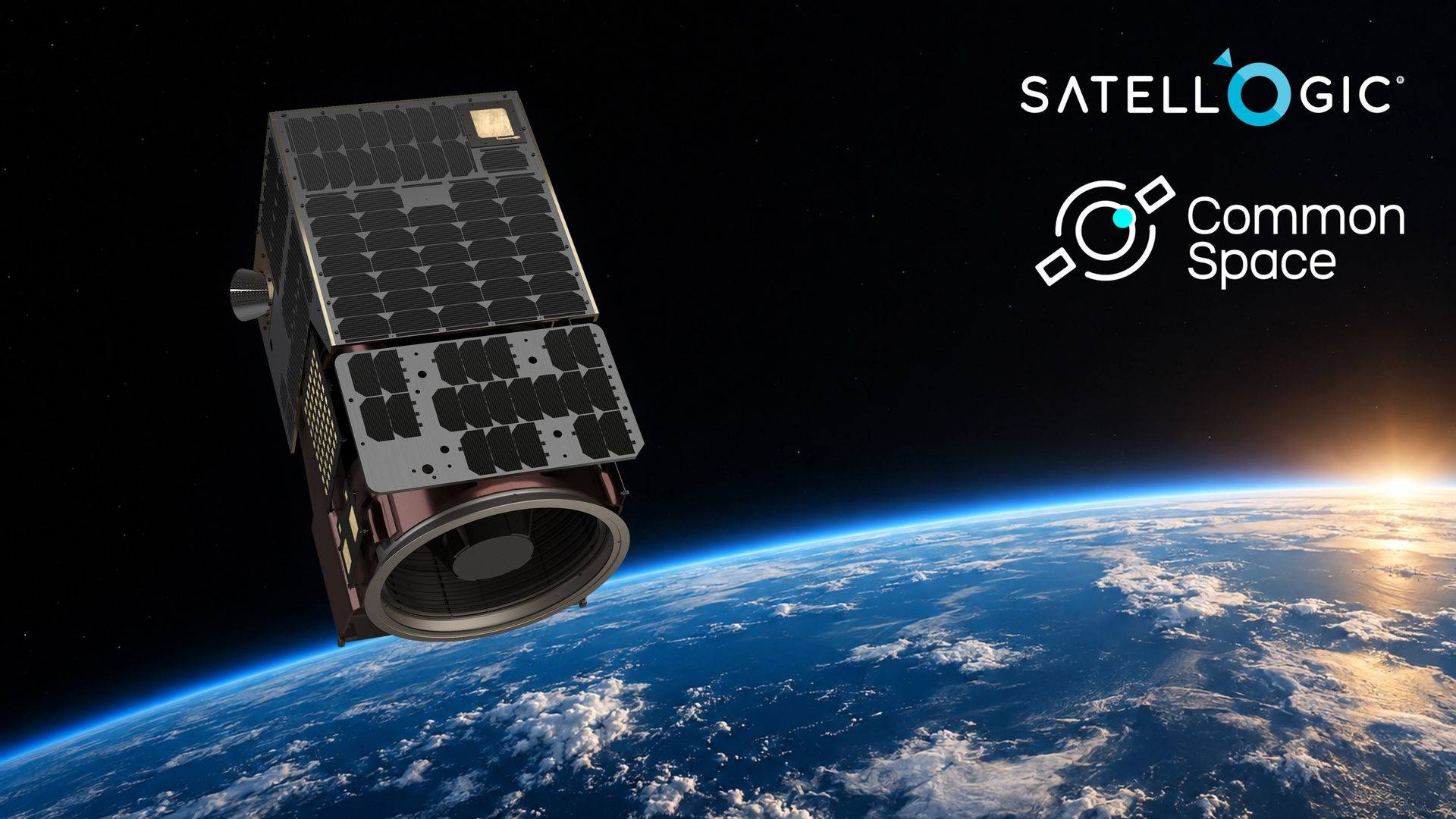
Common Space has chosen Satellogic to build and operate its first high-resolution Earth-observing spacecraft.
When you purchase through links on our site, we may earn an affiliate commission. Here’s how it works.
The first satellite in a constellation designed for humanitarian use will lift off next year, if all goes according to plan.
The nonprofit Common Space plans to assemble a six-spacecraft constellation of Earth-observing satellites, whose high-resolution imagery will aid first responders, journalists, scientists and human-rights investigators around the world.
That plan firmed up a bit today (Nov. 19), as Common Space announced the builder of the first of those satellites: Satellogic, an Argentine-U.S. geospatial intelligence company.
There are more than 1,000 Earth-observing satellites circling our planet at the moment. But much of the data they gather is proprietary or too expensive to serve the common good, according to Common Space.
The nonprofit wants to change that via its envisioned constellation, which it says will collect imagery specifically for humanitarian and public-interest purposes. Common Space plans to operate on a "club-good model," which will share infrastructure and costs across a large community, allowing extensive, low-cost access to high-quality imagery.
"With Satellogic as our spacecraft partner, we're moving from vision to orbit and putting high-resolution data into the hands of those who need it most," Common Space co-founder Rhiannan Price said in a statement today. "This isn't just another satellite. We're building infrastructure to serve people for years to come."
The satellite is Satellogic's NewSat Mark V, which Common Space selected after a competitive request-for-proposal process.
The NewSat Mark V is just 32 inches (82 centimeters) long and weighs 85 pounds (38.5 kilograms) here on Earth. But the microsatellite packs a great deal of capability into that small package. From low Earth orbit (LEO), it naturally resolves features on the ground as small as 27.5 inches (70 cm), which Satellogic's proprietary algorithms can boost to a "super resolution" of 19.7 inches (50 cm).