// SPACE.COM — SPAZIO & SCIENZA
Russia is developing a nuclear space weapon, US intelligence report finds
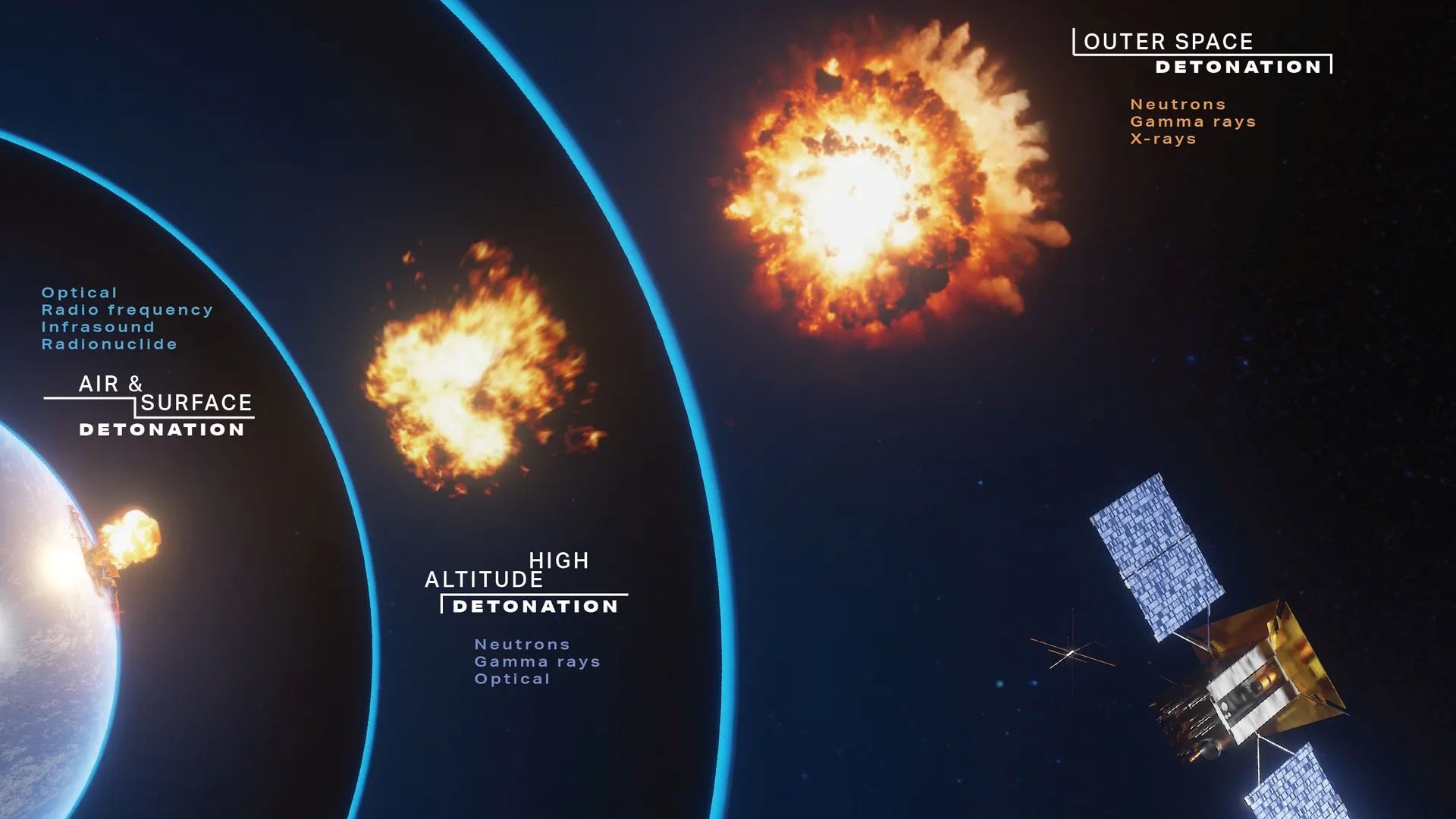
"A space-based capability such as this could cause rapid and sudden loss or degradation of thousands of satellites operated by countries and companies around the world."
When you purchase through links on our site, we may earn an affiliate commission. Here’s how it works.
Last month, the U.S. Defense Intelligence Agency (DIA) released a chilling and info-packed report judging the scope and breadth of threats posed by the nation's adversaries in space.
The new report focuses on China, Russia and the emerging space powers of Iran and North Korea. It looks at what's happening in Earth orbit and beyond, including cislunar space, the region between our planet and the moon.
The report — the 2026 edition of "Challenges to Security in Space" — is the third iteration of the DIA's unclassified intelligence assessment on space-related challenges and threats to U.S. national security, as well as the extent to which space is treated internationally as a warfighting domain.
Information within the report, which you can read here, is current as of July 2026. DIA's mission is to provide intelligence on foreign militaries to help prevent wars, and win the ones that are fought.
The report's up-front finding is that China, Russia, Iran, and North Korea are developing, testing, deploying and using space capabilities "in a way that threatens the security of all space systems and their associated space benefits."
Indeed, China and Russia are developing "a formidable spectrum" of offensive capabilities to degrade or destroy space services of other countries, from kinetic destruction to sophisticated jamming and cyber operations.
The DIA report also notes that "the production of cheaper, smaller, and simpler satellites, which are faster to develop and deploy, along with the expansion of commercially available launch services, are driving the rapid integration of commercial space alternatives to support national security."
While space commercialization is making previously government-centered space services widely available to interested parties, the DIA report adds, that availability also includes state and non-state actors with malign interests.