// ARS TECHNICA — MODA & SOCIETÀ
Amazon discovers Falcon 9 and Ariane 6 can deliver when nobody else can
Amazon has hundreds of satellites in storage waiting for rides to space.
A European Ariane 6 launcher propelled 36 satellites into orbit for the Amazon Leo broadband constellation Tuesday, continuing the network’s build-out after 40 satellites were lost earlier this month during a failure of United Launch Alliance’s Vulcan rocket.
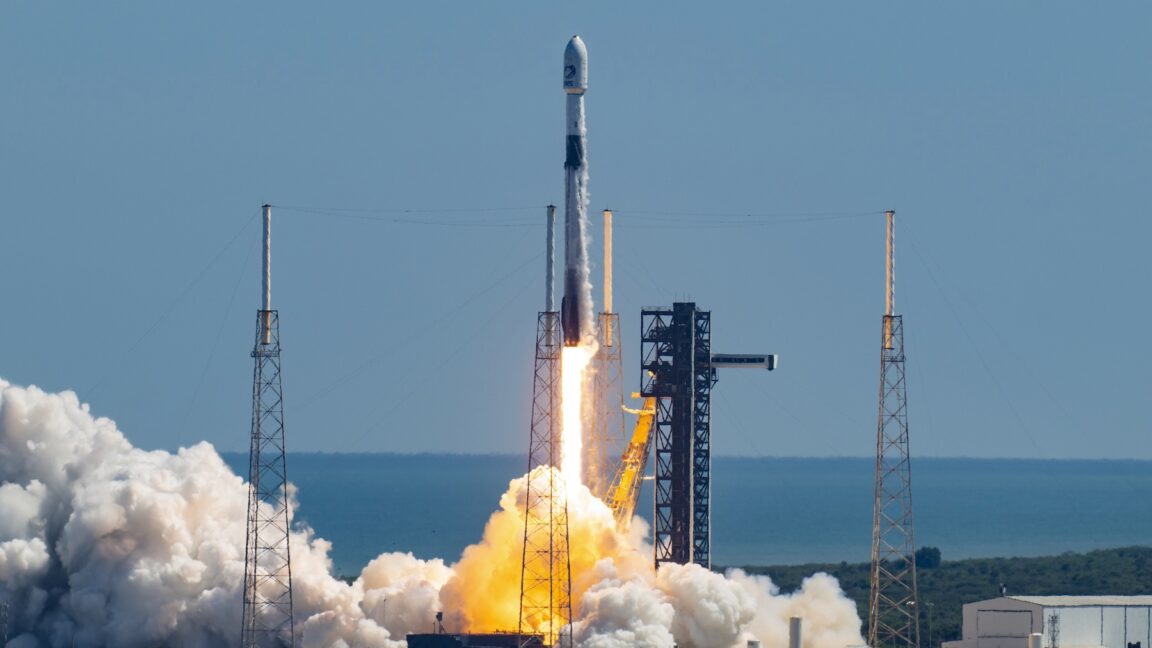
The launch was an important rebound for Amazon, bringing the Amazon Leo fleet to 432 satellites as the company seeks to fill the void left by the grounding of ULA’s Vulcan rocket, Amazon’s primary launch provider. Now, an Amazon official tells Ars it is accelerating several Falcon 9 launches the company has purchased from SpaceX, which also owns the Starlink satellite network that Amazon seeks to dethrone.
The next Falcon 9 launch for Amazon Leo is now planned for December, Amazon said, moved forward from its previous launch date next year. Several more Falcon 9s are scheduled to launch Amazon Leo satellites in rapid succession after the December flight.
Amazon cast a wide net when it started signing deals for launch services five years ago, securing rides on 108 flights with every available medium- or heavy-lift rocket in the West to place a fleet of 3,232 satellites into low-Earth orbit. As of Tuesday, Amazon and its launch partners have completed 17 of those flights, with one mission failure.
Amazon executives initially bought up capacity from US-based United Launch Alliance, Europe’s Arianespace, and Blue Origin. Nearly all of those launch contracts depended on rockets still in development: ULA’s Vulcan, Europe’s Ariane 6, and Blue Origin’s New Glenn.
Each launch vehicle faced development delays, as all new rockets do. New Glenn has been grounded since May after an explosion on Blue Origin’s launch pad in Florida. ULA’s Vulcan will be sidelined for months after misfiring during a mission with Amazon satellites on November 15.
Amazon started booking launches in 2023 with SpaceX. Falcon 9 successfully launched Amazon’s first three missions last year, each with 24 satellites. Amazon soon reserved 10 more flights on SpaceX’s Falcon 9 rocket as delays mounted with Amazon Leo’s other launch providers, especially ULA and Blue Origin.
The relationship between Amazon and SpaceX is a peculiar one. Amazon aims to catch up to SpaceX’s Starlink network, now boasting more than 11,000 satellites, to bring competition to the satellite broadband market. Federal regulators approved Amazon Leo’s second-generation constellation earlier this year, an addition that will bring the fleet to more than 7,000 satellites in the 2030s. Amazon also plans a direct-to-device service, joining SpaceX and others in the pursuit of consumer demand for mobile connectivity.
But Starlink is far ahead. SpaceX has repurposed the Starlink satellite design for use on several US military programs, and Starlink launches on Falcon 9 are winding down as SpaceX’s Starship enters service. Starship is capable of launching heavier, more powerful Starlink satellites, a culmination that will only widen the gap with Amazon and other competitors in the satellite Internet business.