// PC GAMER — GAMING
The Imagine Dragons capture-the-flag game, Last Flag, is one of the most innovative shooters of 2026 and deserved better
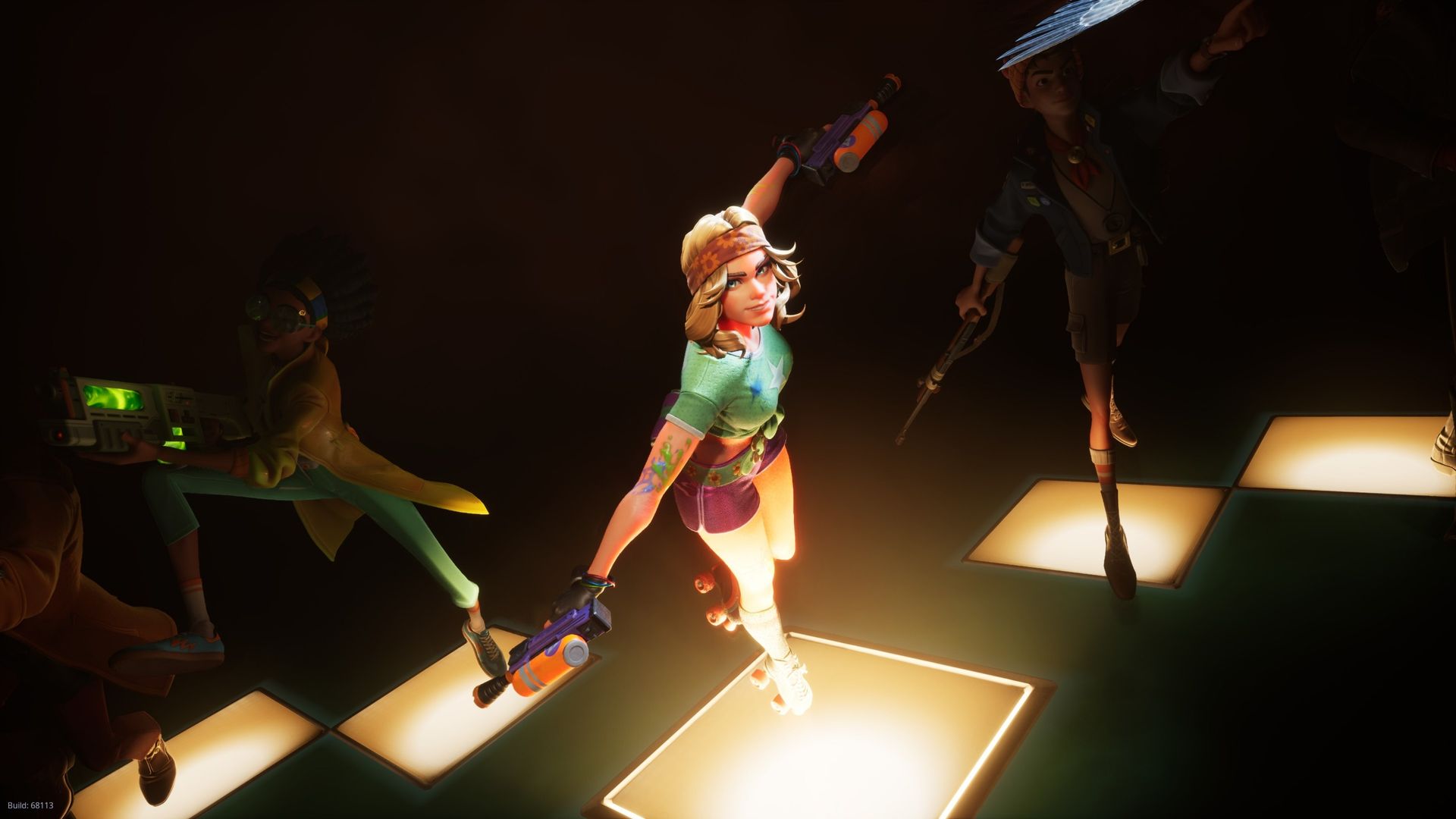
Night Street Games' team-based shooter may not be perfect, but it is pretty clever.
When you purchase through links on our site, we may earn an affiliate commission. Here’s how it works.
Weird Weekend is our regular Saturday column where we celebrate PC gaming oddities: peculiar games, strange bits of trivia, forgotten history. Pop back every weekend to find out what Jeremy, Josh, Rick and Ted have become obsessed with this time, whether it's the canon height of Thief's Garrett or that time someone in the Vatican pirated Football Manager.
It's been a tough old year for competitive multiplayer shooters. We've seen Highguard fail, Marathon struggle, 1047 Games flail futilely around with Splitgate: Arena Reloaded and Empulse. Even Arc Raiders has bitten the bullet and admitted that its players simply do not want to shoot one another. In fact, were it not for Wardogs bucking this grim trend, you could build a strong case to say that 2026 is the year competitive multiplayer shooting died.
Among the pile of casualties awaiting revival from a medic is Last Flag, the competitive, capture-the-flag shooter developed by Night Street Games, a studio founded by Imagine Dragons' lead singer Dan Reynolds, and his brother and band manager Mac Reynolds. Released back in April, Last Flag ran into the cold shoulder of the market almost immediately, and within two months of launch, Night Street ceased development and laid off half its staff.
Rather than pull Last Flag offline, however, Night Street decided to put the game's future in the hands of players by adding the ability to host custom lobbies alongside the already-existing bot support, and slashing the price. I decided to take this life-support version of Last Flag for a spin, and it's a damn shame this game didn't grab an audience, because it's a ton of fun.
Now, I won't pretend to be baffled as to why Last Flag didn't grab people's attention. At a glance it resembles that infamous Randy Pitchford tweet about Battleborn. It mixes capture-the-flag with hide-and-seek, hero shooters, control-point domination, all with character art direction that screams: "My voice lines are going to annoy the shit out of you!"
But just as a list of ingredients does not make a meal, a list of features does not make a game. The way Last Flag puts these elements together is fairly ingenious—producing a style of multiplayer that doesn't really feel like any other game.
A round of Last Flag starts with a minute-long hide phase, where one player from each team is selected to hide their team's flag somewhere in their half of the map. Last Flag's maps are holier than a Swiss cheese blessed by the Pope, their undulating landscapes riddled with apertures, cutouts and tunnels perfectly suited for squirrelling away a flag in.
Once both flags are hidden, the match begins in earnest, and both teams set out to capture the other team's flag. But of course, unlike traditional CTF, neither team knows where their opponents' flag is.