// ENGADGET — MOBILE & WEB
Car speakers rattling? Try these fixes before calling a mechanic
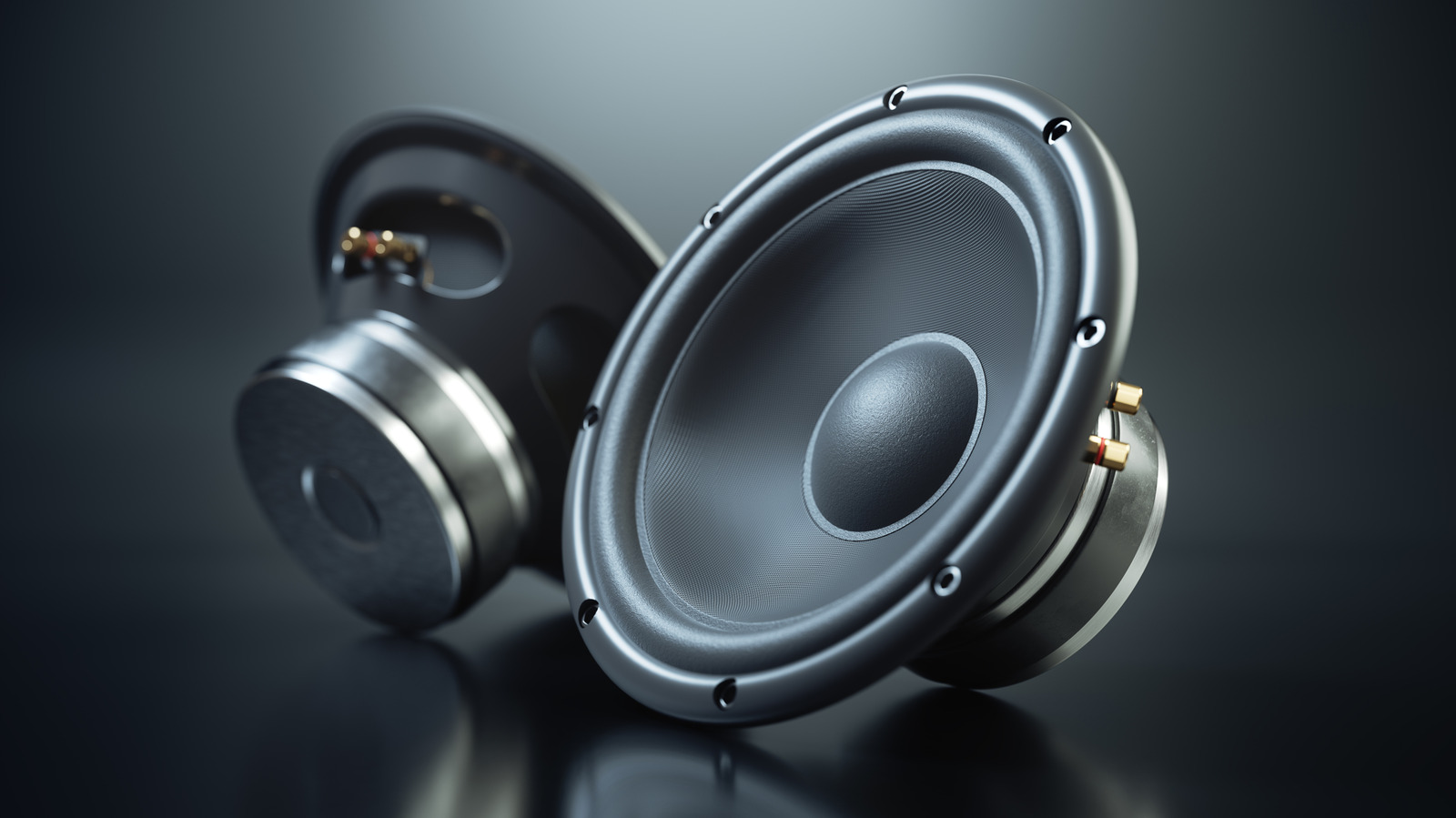
Check these common culprits before you go to the pros.
There you are, just singing along to your favorite tunes when you hear that awful noise. Rattling car speakers. Your mind probably wanders right to your bank account balance, because this is definitely going to cost you hundreds, if not thousands, of dollars for a new car audio system. Right?
Not so fast. Rattling car speakers, while extremely annoying, may not be the result of any catastrophic audio equipment failure or damage. It could actually be a simple fix. So, before you take your car to an audio specialist and have a new sound system installed, try to first determine the cause of the rattling. Then see if one of these easy solutions works for you.
Obviously, if components within the speakers are damaged, rattling can occur. But the culprits are often simply power and volume. If your speakers are using more power than the speaker cone can handle, the result is typically rattling and distortion. But not enough power, usually caused by a weak amplifier, can also cause distortion.
As far as volume is concerned, you probably already know that the higher the volume (especially if there's lots of bass), the more likely your car speakers are going to rattle. The reason? Science. Bass frequencies use a lot of power, and that causes more movement in the cones inside the speakers. That movement can cause loose components in the speaker to move against each other. Heavy bass also makes your car's door panels vibrate, in which case it may not be your speakers vibrating at all. But it's not just booming bass that can cause rattling issues. High volume creates excess heat in the speaker's voice coil, resulting in rattle-like distortion.
Debris finding its way into the speakers can also cause rattling if it comes into contact with moving speaker parts. And the cabinet that holds the speaker within the door panels or rear decks often vibrates with the music if the surfaces are poorly dampened — this creates a rattling sound that many people think is coming from the speakers themselves.
The rattling, especially if it occurs even at low volumes, could also be something as simple as loose mounting hardware. When the screws come loose, as a result of either poor installation or road vibration, rattling is common. Check to see if there is space between the speaker and its mounting surface. If so, tightening the screws should help. Also, try pressing the speaker panel when you hear distortion. If the distortion stops when you press it, it's likely just loose mounting hardware or noise from the cabinet.
With all these possibilities, the next thing to do is try to eliminate some of the causes and diagnose the origin of the rattling so you can determine whether it can be fixed at home or needs to be seen by a professional.
The first thing to focus on is finding out whether the speaker is simply rattling or if it's completely blown. If it's just rattling, it should be fixable. If it's blown, however, you're going to need a new speaker.
You can often tell if a speaker is blown simply by listening. For example, you'll hear distortion at any volume level, where rattling typically only happens at high volumes. Another thing to listen for is a missing frequency, like a lack of bass or no high frequency. This could be the result of a broken speaker.