// BBC WORLD NEWS — MONDO
How Australia combines modern tech and Indigenous knowledge to fight fire
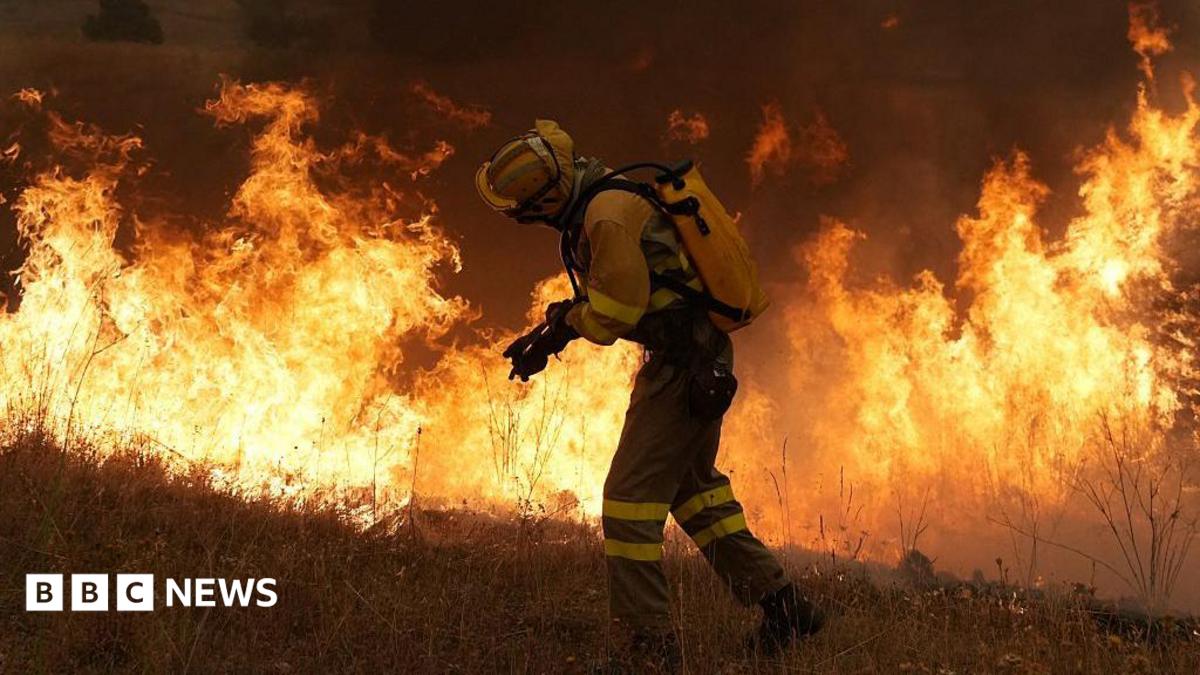
Spain declared a national state of emergency as it grapples with several major wildfires
The wildfires currently ravaging Europe feel close to home for Professor Marta Yebra, despite being on the other side of the world.
Originally from Spain, the Canberra-based bushfire expert has spent years developing ways for Australia - home to some of the most fire-prone landscapes in the world - to battle its own blazes.
She heads up the Bushfire Research Centre of Excellence, which was set up in the aftermath of Australia's worst fire season on record: the Black Summer fires of 2019-20, which razed a combined area about the size of the UK.
Her team looks at how technology such as satellites, drones and AI can be used to better detect fires, alongside the knowledge of experienced firefighters.
Equally important, though, is the knowledge and experience that has accrued in Australia over thousands of years, and has been passed down through generations.
The use of fire has been part of the country's Indigenous culture since long before Europeans arrived in the 18th century - but the value of this ingrained knowledge has only been truly realised in recent years.
Yebra has spearheaded an innovative project, bringing together millennia-old knowledge in Australia's Indigenous communities with cutting-edge satellite imagery to help detect where fires are most likely to break out.
The satellite images pick up the "fuel moisture content" in the landscape, which signals where there might be a large amount of fuel, such as dry leaves, grass, shrubs and bark. But such data provides just one part of a bigger picture.
Growing up on the south coast of New South Wales (NSW), Webster learnt how to read the environment or "country" - the term Indigenous Australians use for their ancestral homeland – from his elders.