// SPACE.COM — SPAZIO & SCIENZA
On this day in space! Aug. 9, 1976: Soviet Luna 24 sample return probe launches to the moon
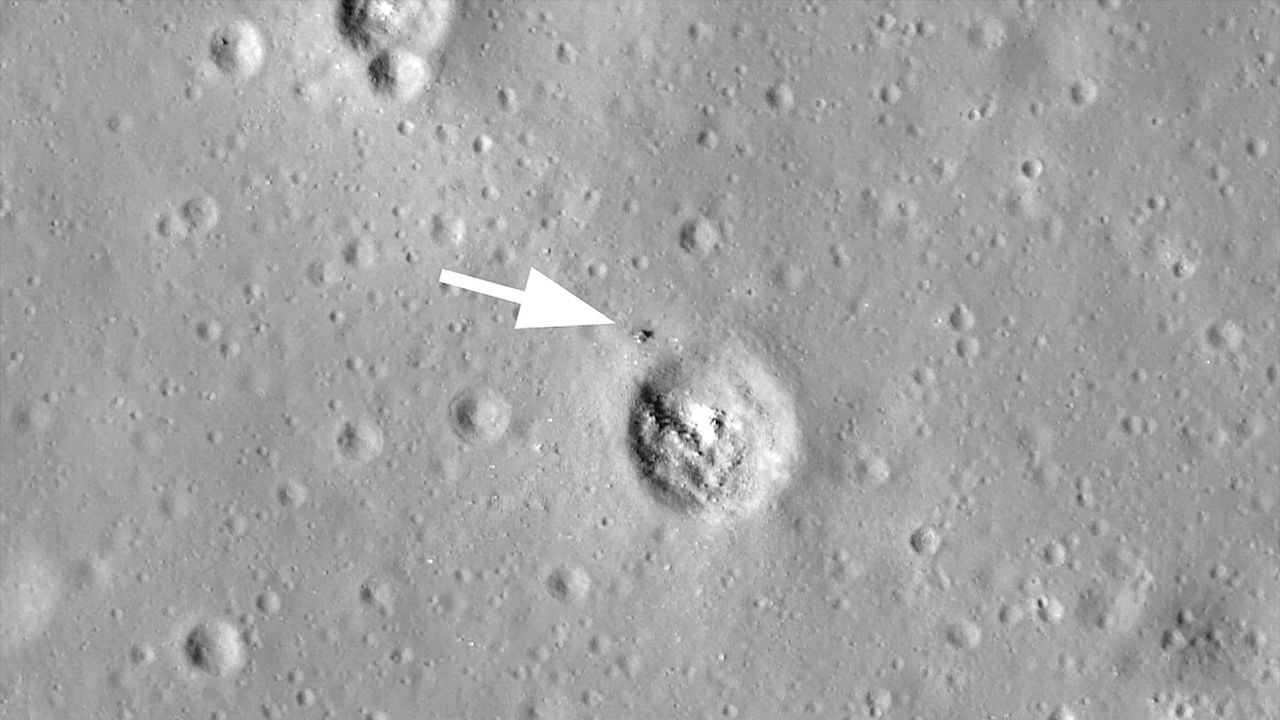
Luna 24 was a robotic sample return mission and the third of its kind.
When you purchase through links on our site, we may earn an affiliate commission. Here’s how it works.
On Aug. 9, 1976, the Soviet space program launched its last moon mission.
Luna 24 was a robotic sample return mission and the third of its kind. It lifted off on a Proton-K rocket from the Baikonur Cosmodrome in Kazakhstan and safely landed on the lunar surface nine days later.
The probe landed in a dark plain of the moon known as Mare Crisium, or the "Sea of Crises" and collected 6 ounces (170.1 grams) of soil samples, which it brought back to Earth on Aug. 22, 1976. Scientists then found that the samples from Luna 24 contained tiny traces of water — about 0.1% by mass.
The Soviet Union lost the Space Race to land the first humans on the moon, but its Luna program of robotic probes was prolific. The country's Luna 2 was the first spacecraft ever to land on the moon (it slammed into the lunar surface in 1959), with the more advanced Luna 9 making the first-ever soft-landing on the moon in February 1966, beating NASA's Surveyor 1 by about 4 months.
By 1976, 12 NASA astronauts had walked on the moon, the last two on Apollo 17 in 1973 and the Space Race was over. But the Soviet moon program was not, with Luna probes and Lunakhod rovers.
The Luna sample return missions consisted of a lander equipped with a descent stage, ascent stage and Earth return capsule. The probes could collect samples of the moon, place them in the return capsule on the ascent stage, then rocket it from the moon for the trip back to Earth. NASA's Lunar Reconnaissance Orbiter has captured photos of the descent stages of Luna 16, Luna 20 and Luna 24 still on the moon.
The Luna 23 spacecraft remained on the moon entirely, as it was damaged during landing and wasn't able to return a sample. NASA's LRO images later revealed Luna 23 likely fell on its side. But Luna 24, the last of the series, worked as planned, landing on Mare Crisium on Aug. 16, 1976, collecting a sample of the lunar regolith and launching back into space less than 24 hours later.
While Luna 24 was the last Soviet moon sample return mission, it was not the last for Russia.