// 9TO5GOOGLE — MOBILE & WEB
Pixel 11 videography improves with Pro Stable Video, Creator Suite, plus more
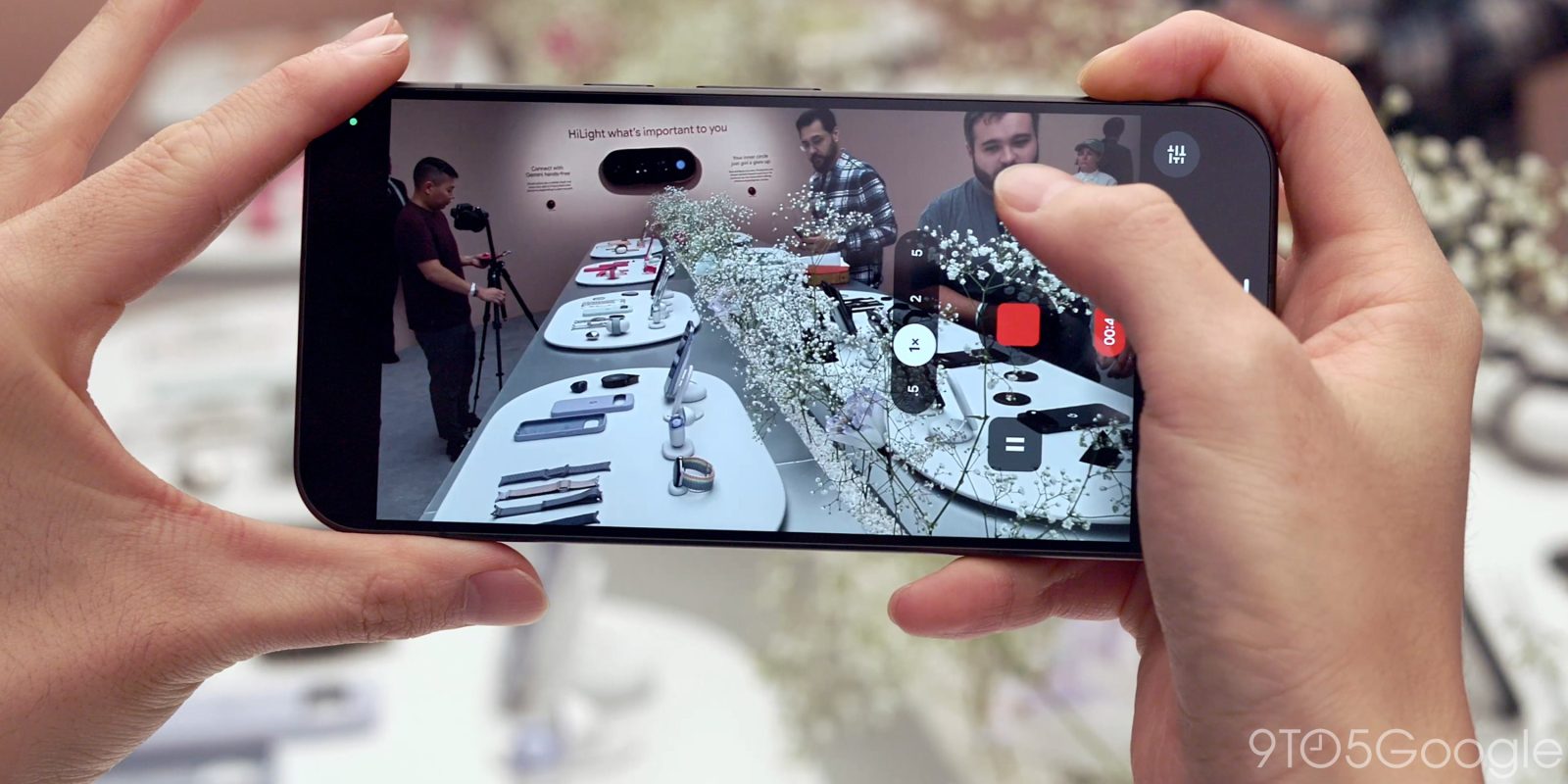
The Pixel 11 series has officially been unveiled with a whole suite of new video features for the camera systems and even a few upgrades for some older functions. Here’s everything new and what you need to know.
While the Pixel has long been a photography powerhouse, the Pixel 11 series marks a massive leap forward for video. Driven by the new Tensor G6 processor, Google has introduced a dedicated hardware accelerator specifically designed to handle complex video tasks that were previously impossible on mobile.
The most significant technical achievement this year is the addition of 4K bokeh portrait video. While previous Pixels offered cinematic blur, the Tensor G6’s new custom accelerator allows the phone to render high-resolution, professional-grade background blur in real-time. This feature is available across the entire series, bringing a cinematic depth-of-field to your everyday clips.
For those who need the absolute best quality, the Pixel 11 Pro, Pro XL, and Pro Fold models feature an upgraded Video Boost up to 8K resolution. This enhanced visual option improves on the 8K modes that were introduced on the Pixel 10 last year.
The Pro models also debut Pro Stable Video, a new feature that automatically activates in shaky, brightly lit environments, for instance, when you are jogging or moving quickly. It combines hardware stabilization with AI to deliver ultra-steady, cinematic footage at up to 8K resolution.
Google is making it easier for social media creators and professionals to produce content directly on their phones with the new Creator Suite. You’ll find these options under a dedicated tab in the video settings of the Pixel Camera app. This suite includes:
While not offering the best camera specifications, the Pixel 11 Pro Fold is at least able to provide a few more video functions due to its unique form factor. Google has added a Live Transcribe feature that supports American Sign Language (ASL) and allows the person using the phone to sign into the inner selfie camera while the person or people conversing will see real-time text translation on the outer cover display.
Dual Screen previews allow you to record a person while the outer screen shows the subject a real-time feed of their actions and what is being recorded. This also extends to the rear camera for selfie videos, so you can use the outer screen to frame and record at the same time with the higher resolution rear camera system.
While technically a photo feature, Magic Capture relies on a new video-first workflow. Google says that when you start a session, the phone records a short video and the Tensor G6 analyzes approximately 500 frames. Gemini then selects the five best HDR+ quality moments, delivering them as share-ready photos while still saving the original video for your records.
Beyond the headline features, Google has implemented broad improvements to the video pipeline. This includes refined sharpening, significantly reduced noise in low-light environments, and the smoothest zoom quality yet when transitioning between lenses during a recording. All models also continue to support 10-bit HDR video and Audio Magic Eraser for professional-grade post-production.