// BBC UK NEWS — CRONACA
NHS service admits data breach due to pager use
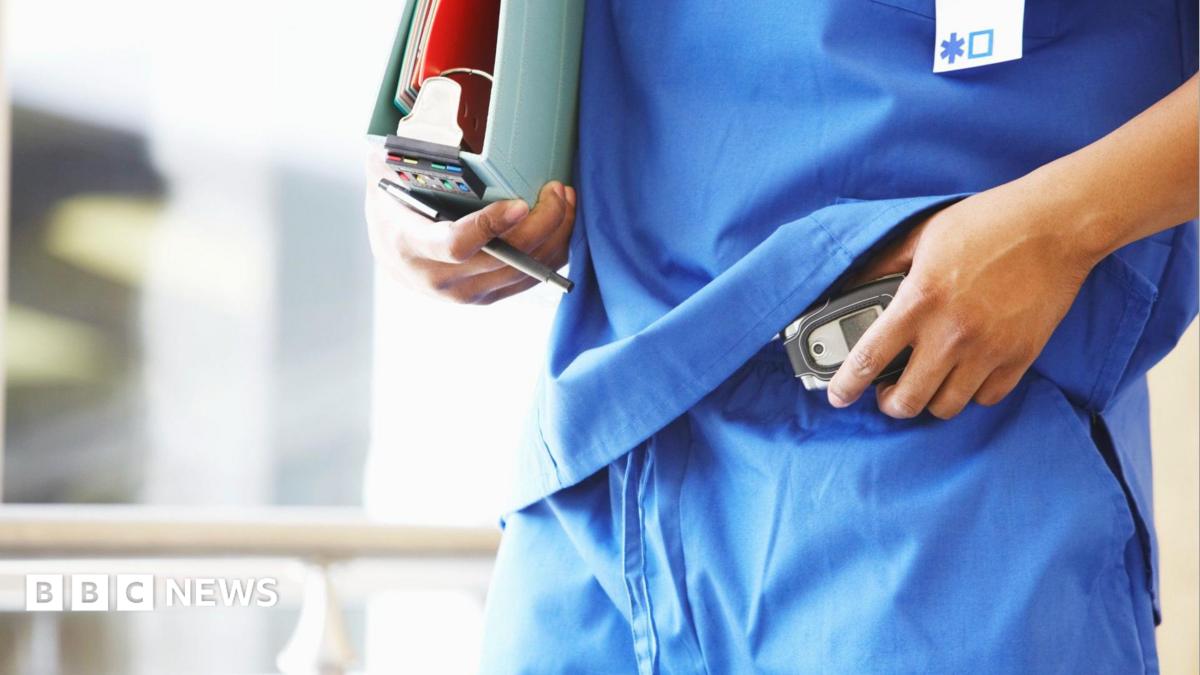
NHS Blood and Transplant had been sending sensitive medical data across the unencrypted pager network
The sensitive medical data of transplant patients from across the UK was routinely sent over an unencrypted pager network, an NHS service has admitted.
A BBC investigation found NHS Blood and Transplant (NHSBT) sent the names, dates of birth and types of organs being offered or needed to members of hospital transplant teams who were using pagers, unaware they were not encrypted.
In 2019, then-Health Secretary Matt Hancock announced the NHS in England should stop using pagers by 2021, but some parts of the organisation have continued doing so.
NHSBT said it was "deeply sorry" and has reported the data breach to the Information Commissioner. It added it has now stopped sending patient data in this way.
Pagers are small battery operated radio receivers - popular in the 1980s and 1990s - that can receive short text messages, numbers to call, or alerts.
They are a one-way communication system and only able to receive messages, not send them, which was why they largely fell out of public use as more and more people started carrying mobile phones.
While NHSBT itself does not have any pagers, it was using a system that sent messages to them.
Recipients of pager messages cannot be tracked, therefore NHSBT said it was unclear whether the unencrypted information was accessed or how many people may have been affected.
Pagers were originally used because they allowed for rapid information sharing. They also work at a low frequency and are able to penetrate buildings and elevators and particularly hospitals - which can have thickened walls to protect people from X-rays and other radiation. They also have long battery lives.