// HACKER NEWS — CYBERSECURITY
When Genius Fails: The Intellectual Arrogance of the AI Labs
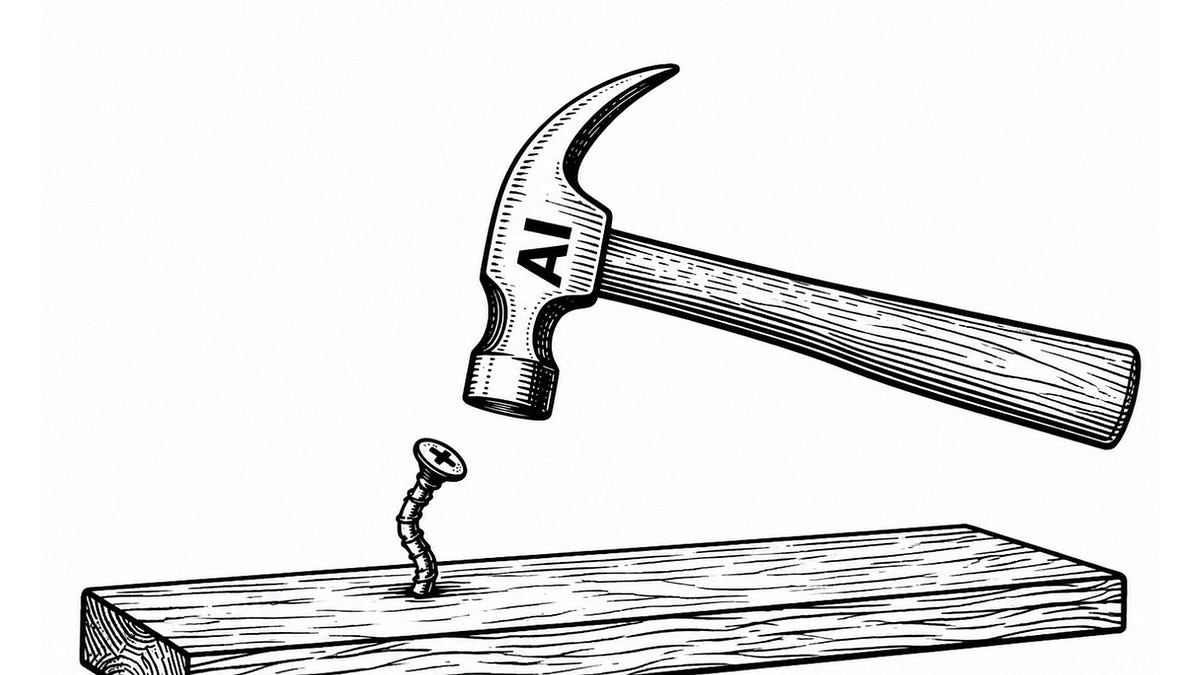
Being an expert in one field doesn’t make you an expert in all fields. Leopold Aschenbrenner’s hedge fund, Situational Awareness, provided a $20 billion demonstration this week. His claim to fame was being part of OpenAI’s Superalignment team before being fired over alleged leaks (which he disputes) and then publishing an essay in 2024 about the imminence and importance of AGI that launched a thousand media interviews (of him). And then he was running a $20 billion hedge fund. And then it blew up.
Lots of people will be dancing to the news this week because many found him a bit insufferable. And for me, I really don’t mind no longer being asked, “Should I invest in Situational Awareness?” and needing to be delicate about it.
I want to make a larger point, though. The lack of intellectual humility within the frontier AI lab culture he hails from extends beyond him into many verticals other than money management. That being said, as an ex-hedge fund guy myself who also has an AI background, I do have some unique qualifications to at least talk briefly about this.
Are you in the Bay Area? San Mateo County Libraries is hosting me for a book signing and talk at the Atherton Library for What You Need to Know About AI, moderated by Justin Kuczynski (PhD, Computational Biology and Engineering Lead at Google). It’s on Friday, August 7, 2026, at 3-4pm. Come out and say hi!
Situational Awareness LP’s woes are not unique. Many hedge funds have blown up. In fact, I’d say many, many more hedge funds have blown up than have ever been consistently excellent. It’s something that most laypeople don’t realize.
The canonical example is Long-Term Capital Management, which put two Nobel laureates and Wall Street’s best bond traders in one fund. It was the best and brightest in the field, and they quadrupled investors’ money in four years. Then it blew up so spectacularly in 1998 that the Federal Reserve had to rally Wall Street banks to help bail it out (in a preview of 2008).
There’s a whole book about it, fittingly titled When Genius Failed (yes, it’s the inspiration for the title).
It’s not about your peak returns. After all, someone who goes all-in on red at the roulette table five times in a row and wins by luck will have a 3,100% return. I would hope that no one would think this person is a unique genius or qualified to manage money.
It’s not even about “beating the market.” That’s a red herring. In a bull market—or even better, a bubble—anyone who isn’t fully invested, or more than fully invested (with leverage), in the stock market will “lose.” What you care about from a hedge fund is that they are consistent in bull or bear markets. The point of those expensive fees is that they will always perform, even if they look temporarily “bad” against the stock market.
Which, by the way, is not the only market in the world—there are bonds, commodities… but it gets the attention because retail investors love to gamble in it. Like this Korean guy who went 500% long on stocks, briefly turned his military-service savings into a small fortune, and then lost it all, though his was just one of more than 1.2 million Korean brokerage accounts that got margin called by mid-July… Which makes this all look similar to the roulette table.