// 9TO5GOOGLE — MOBILE & WEB
Pixel 11 Pro’s ‘HiLight’ is another half-baked feature burdened by bad first impressions
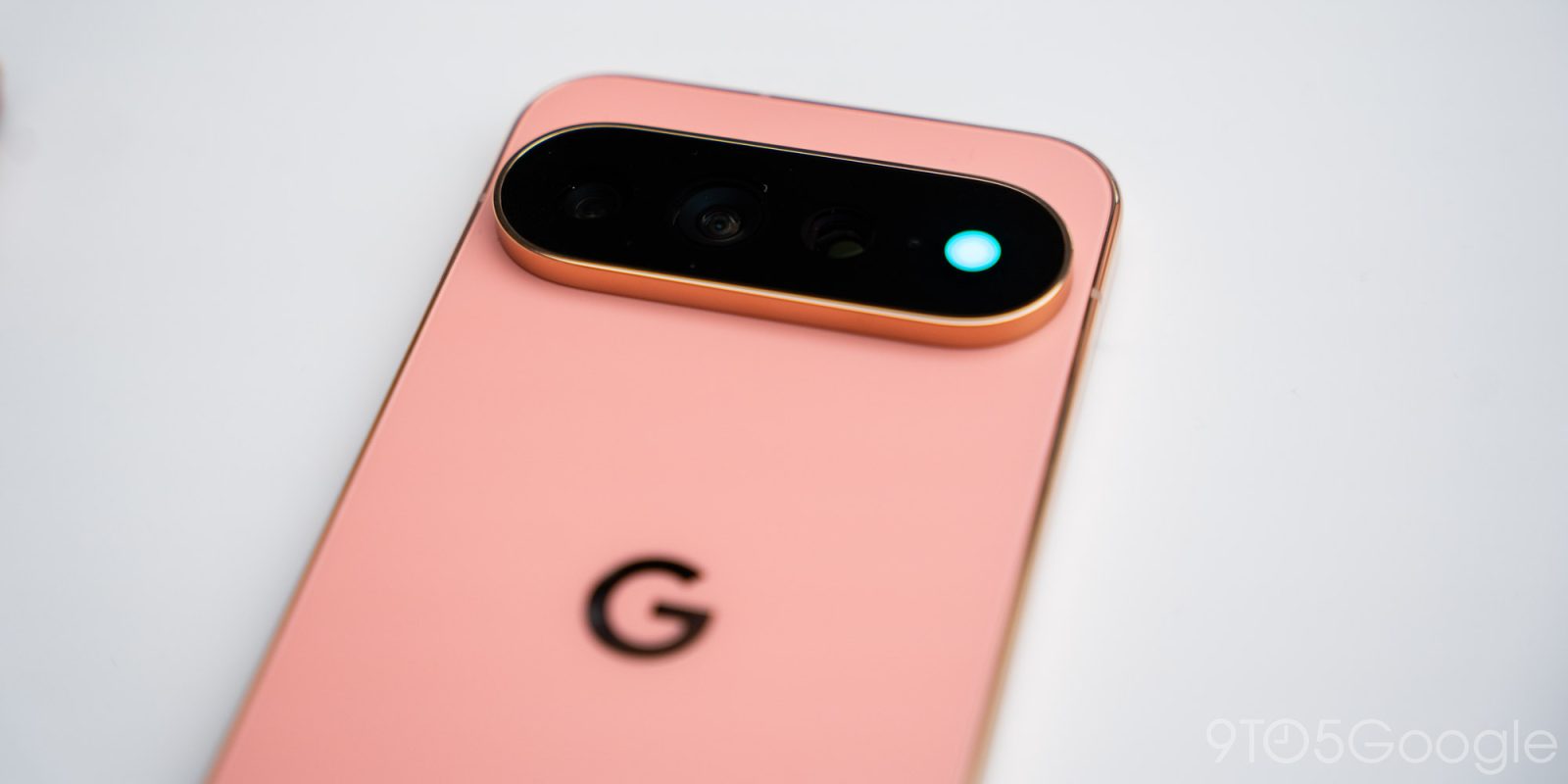
There are a few trends that have shown up on Pixel phones over the years, but one of the most frustrating is that Google keeps launching half-baked features on its devices that take way too long to reach their potential, just to be taken away afterwards. “HiLight” is the worst example of that to date.
This issue of 9to5Google Weekender is a part of our newsletter that highlights the biggest Google stories with added commentary and more. Sign up here to get Weekender delivered to your inbox every weekend, and catch our weekday roundups too!
Throughout the Pixel era, Google has introduced a number of features that simply were not ready at launch, either vanishing in the next generation or sticking around just long enough to find utility before getting a replacement in later releases. Some examples that come to mind include:
In the earlier years, these very much felt like Google trying to find Pixel’s defining hardware feature. “Active Edge” was a simple idea, as were the dual selfie cameras on Pixel 3. Straightforward, nothing missing, just pure hardware functionality. The same argument could be made for Soli on the Pixel 4, but that’s where things started getting a bit muddied.
The soft reboot that the “Tensor era” brought along with it also gave the Pixel a chance to shake off some of its growing pains, at least from a hardware feature standpoint, and build a better foundation for the future. A couple of years in, Google started experimenting again with the launch of the Pixel 8 Pro’s infamous temperature sensor.
The temperature sensor always felt like a bizarre choice on Google’s part. It launched with the sole ability to measure surface temperatures, adding support for body temperature – the very obvious use case for this idea – only a few months after launch. But it’s that first impression that set the tone. The temperature sensor effectively being useless in the time following its debut left Google’s feature with an uphill battle to relevance alongside online discourse largely full of negativity. The feature stuck around for a couple of generations, just long enough for some people to find it useful, but it never made enough of an impact to earn a permanent place.
That’s where this year’s “HiLight” feature comes into play. The rear-facing LED is available on all three Pixel 11 Pro models, and somehow it feels more half-baked than the temperature sensor.
This feature currently exists for exactly two functions – to tell you when a favorite contact is calling you, and to indicate that Gemini is active.
And I really want to know how Google managed to botch this one so badly, because every time I hear more about this feature, it just makes me question how the obvious selling points could be completely ignored like this. That starts with what Google literally acknowledged on stage during its Pixel 11 event this week – “HiLight” should obviously work with your text messages. Somehow, though, that’s not available at launch. In a world where Google is targeting younger buyers who avoid phone calls at all costs, limiting a literal hardware feature to calls is not just a missed opportunity – it’s a complete turn-off. “Who will you HiLight?” is a great marketing line, but surrounding it with “oh this only works for phone calls” kills that completely.
Also, elephant in the room, why in the world does this not work as a notification LED?!