// HACKER NEWS — CYBERSECURITY
India has paved the way for charging merchants a fee on UPI transactions
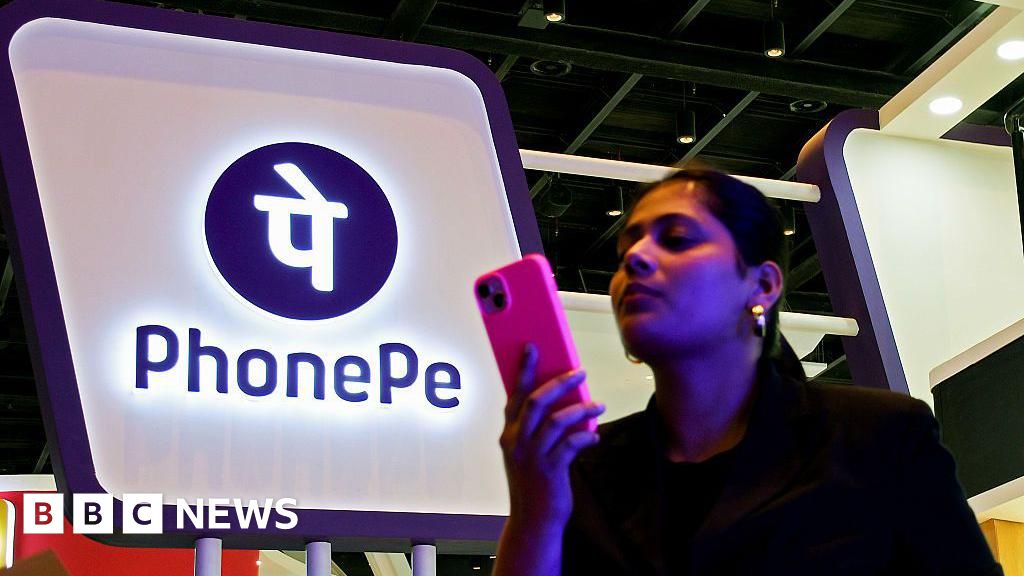
For most Indians, paying by Unified Payments Interface (UPI) has become almost absurdly routine.
Scan a QR code, tap a few buttons and the money moves instantly. There is no card machine, no cash, and - most importantly - for the user, no visible fee.
India has paved the way for banks and payment companies to charge merchants a fee on UPI transactions, potentially ending a decade-long experiment in free digital payments.
The government has yet to decide the rate or exactly where it will apply, but proposals under discussion include a merchant discount rate (MDR) of 0.3-0.5% - a small fee paid by a business to the banks and payment companies that process its UPI payments - on larger transactions at big businesses.
The government says consumers and person-to-person UPI payments will remain free. If merchant fees are introduced, they will apply only to some transactions above a set threshold, at a nominal rate, meaning most UPI payments will remain free.
The question is whether putting a price on UPI could weaken the network that made it such a success.
The stakes are enormous. Launched in 2016, UPI has grown into one of the world's biggest real-time payment networks.
According to official data, in July alone, there were 23.6 billion UPI transactions worth 29.87 trillion rupees ($313.5bn; £232.2bn). Fintech apps such as PhonePe and Google Pay account for most UPI payments.
In the financial year just ended, the figure was about 241.6 billion transactions - almost 12,000 times the volume in UPI's first full year. More than 550 million people now use it, and the system is now available in some form for payments in 11 countries outside India.
UPI is not merely big. Its design is unusual. Rather than building a closed system around a single dominant app, India created common digital plumbing on which competing companies could operate.