// BBC UK NEWS — CRONACA
'I feel guilty' - the farmer whose lamb had Scotland's first case of bluetongue
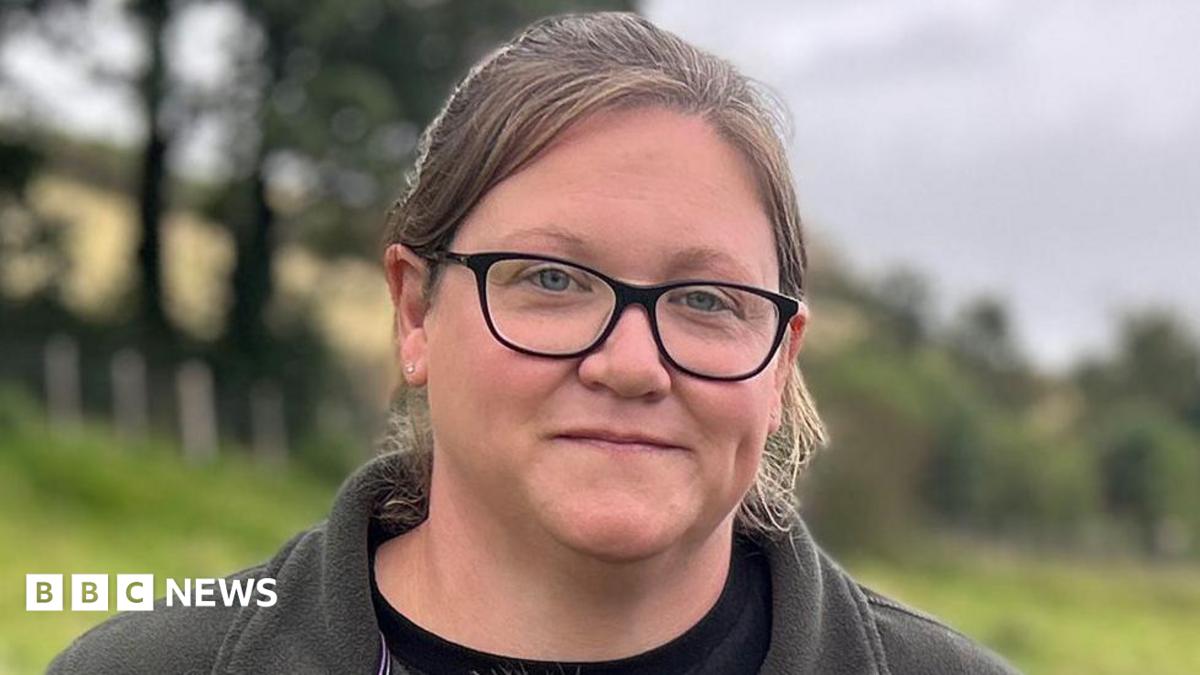
The Johnson family live on the farm where the first case of the bluetongue virus was recorded in Scotland
Earlier this year, farmer Fiona Johnson moved her family 350 miles north from a small village in Bedfordshire to the coast of south west Scotland, hoping to start afresh. She had no livestock, just "dogs and children".
Four months later, having purchased a small number of animals locally to rear for meat, Fiona's fledgling farm in Creetown recorded the first ever case of bluetongue in Scotland.
It was an already-poorly lamb, which Fiona said had not shown typical symptoms - it had been drooling, dropping food from its mouth and its legs were stiff, but not lame.
Experts believe that midges infected with the potentially deadly disease were blown over the border from England, where there are currently 439 cases, external.
The rest of her animals - 27 lambs and five calves - are testing negative, but Scotland currently has four cases and the farming community is acutely aware the disease could spread further - just when farmers are preparing to sell animals for breeding.
"For them, I feel guilty," she said. "Farmers local to us are on a much larger scale, they have thousands of sheep up on the hill.
"Although we'd done absolutely nothing wrong, I felt awful."
The Johnsons have lambs, calves, pigs and some poultry
Bluetongue serotype 3 (BTV3) does not affect people or food safety but it causes a high rate of death in infected sheep and fertility problems in infected cattle.