// NATURE NEWS — SPAZIO & SCIENZA
NIH proposes major revamp of how it scores research grant proposals
Search author on:
PubMed
Google Scholar
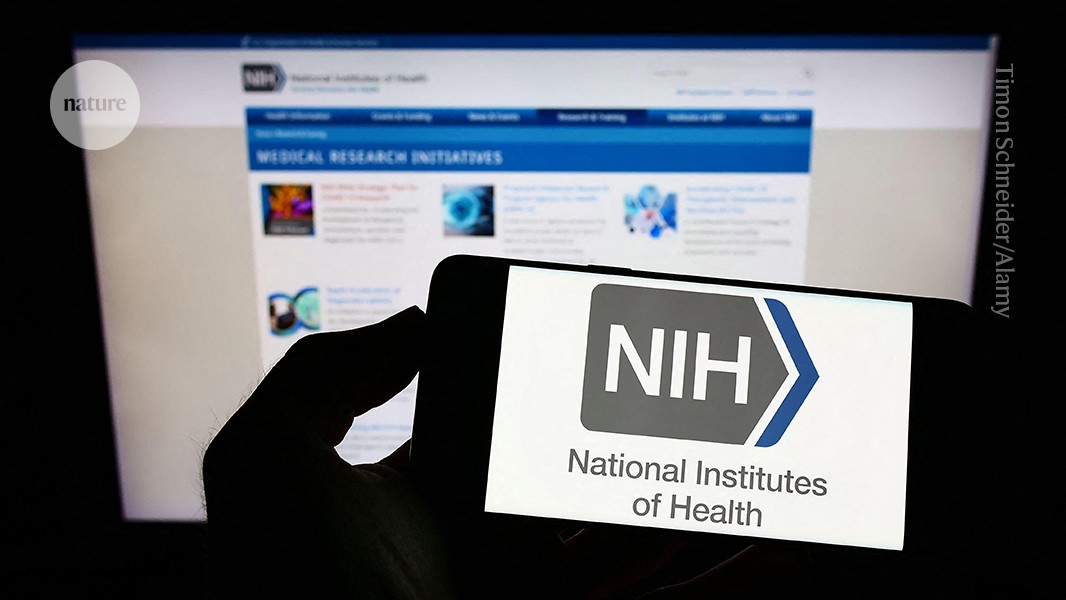
The US National Institutes of Health has put forward a plan to change how it ranks research proposals and decides which ones to fund.Credit: Timon Schneider/Alamy
The US National Institutes of Health (NIH) has proposed overhauling how it decides which research projects to fund, and how it reports the outcome of those deliberations. For the past five decades, the agency reported to researchers the precise numerical scores assigned to their project proposals by peer reviewers. The new plan would instead see the agency report whether projects were ranked in one of three broad categories — a top, middle and bottom — based on their merit.
Inside the new political screening that’s stalling NIH grants
The scheme, which was announced on Friday, is part of a shift away from relying on scientific peer review in favour of greater discretion to award funds based on agency priorities. The new categories encourage the NIH’s 27 institutes and centres to balance competing factors when ranking proposals — including peer review, but also “health priorities” and “the wider research portfolio”, the announcement says.
Proponents of the change argue that the current scoring system creates a false sense of precision, given that a particular proposal’s score is typically an average of the opinions of just three peer reviewers. But given the increased influence of political appointees in federal grant decisions under the administration of US President Donald Trump, some scientists say that removing the transparency of exactly how a proposal was scored could open the door to further political interference.
Jenna Norton, a programme official at the NIH who organized a protest letter against changes at the agency under Trump, says that if researchers never know how high their score is, they are less likely to raise an alarm if their project is rejected, perhaps in favour of a project that more closely aligns with the administration’s political priorities.
“This change is quite substantial,” says Michael Lauer — who for a decade ran the NIH’s extramural research programme, which funds scientists across the United States. However, he adds, “if it were not for the concerns about political interference, there’s a lot here that makes sense”.
To evaluate the scientific merit of grant applications, the NIH, the largest public funder of biomedical research, usually convenes specialized review panels of independent scientists from across the United States. First, a minimum of three expert reviewers from a panel are randomly assigned a proposal to give a preliminary score. After the scores are averaged, only those proposals in the top 50th percentile advance for a discussion among the full panel’s reviewers, who provide a final ‘impact score’.
NIH limits funding for research on the health effects of public policy