// PC GAMER — GAMING
Steam Machine is here, starts at $1,049—sign up live for 512 GB/2 TB model, with optional Steam Controller
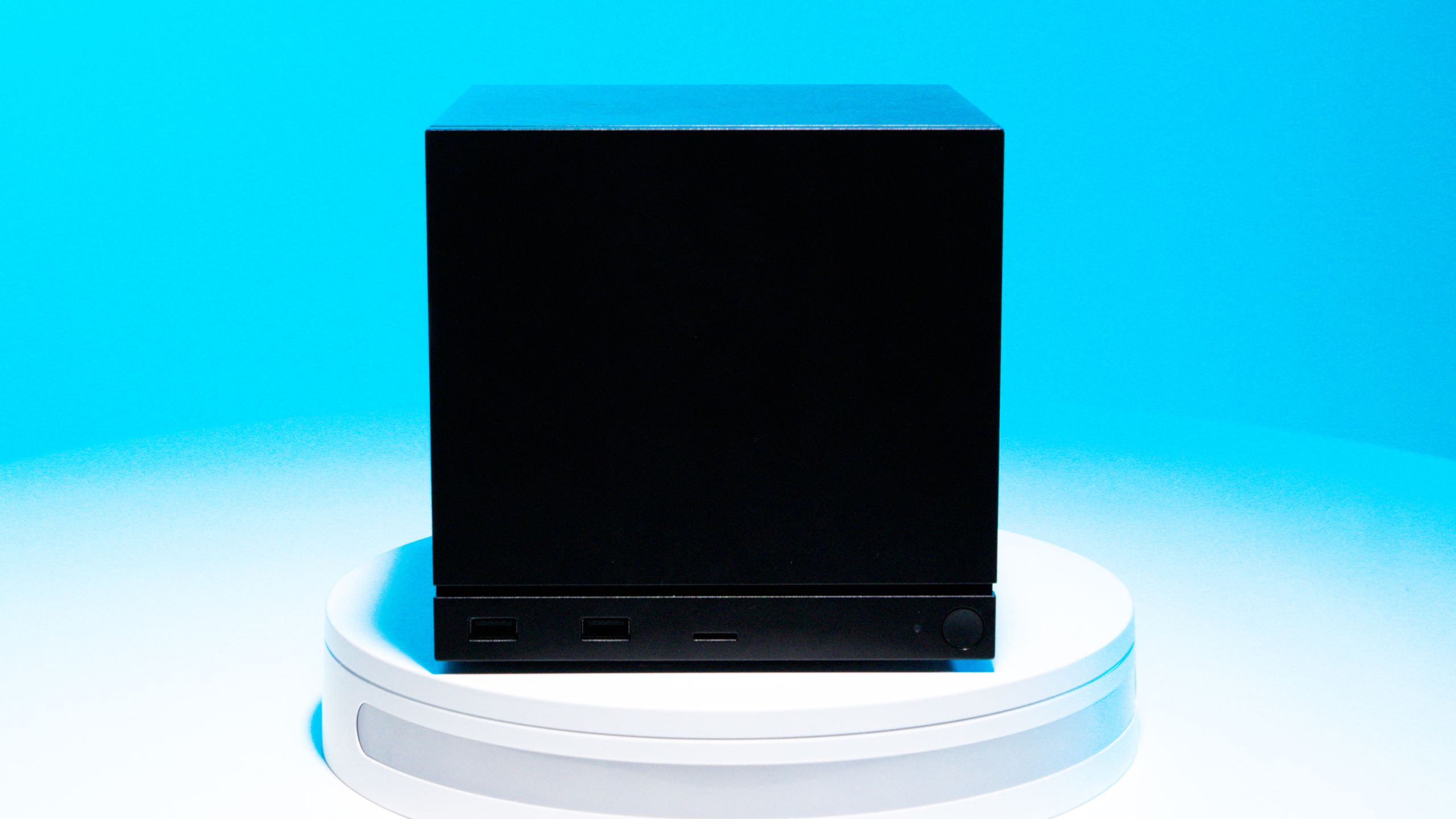
Valve admits its higher than hoped: "Our original goal for the price… is no longer viable."
When you purchase through links on our site, we may earn an affiliate commission. Here’s how it works.
Valve has announced the price of a Steam Machine, its new SteamOS-powered gaming PC. There are a few options available—two storage capacities and with/without a Steam Controller—and if you're still interested after seeing the price, you can sign up for a chance to buy one from today.
Both 2 TB models come with two additional faceplates, red fabric and solid walnut, which are attached with magnets. Though you could as easily make your own, as Valve tells us it will be releasing the CAD files.
The bundle with a Steam Controller is better value than buying one separately: it costs $99 on its own, but adds only $79 here. Not to mention availability of the Steam Controller is shaky, and you may end up having to wait until 2027 to purchase one individually.
Availability for the Steam Machine is also likely to be quite poor. Due to the ongoing memory crisis, Valve admits that some components it had originally intended to use in the PC have increased in price. Furthermore, some were altogether unavailable to purchase "at any price".
"More than anything else, this impacted our launch quantity," Valve says.
To deal with this limited launch quantity and to avoid a system which "tends to reward bots", Valve is rolling out a randomised reservation system for the Steam Machine. Similar to those for the Steam Deck and Steam Controller, wherein a user registers their interest in the product to purchase at a later date, where the Steam Machine reservations differ is in how the queue is formed.
After that one-time randomisation, Valve will let you know whether you successfully reserved a unit or were put into the waitlist for further units down the line. Valve hopes to have got through the reservation queue by the end of the year, which means those on the waitlist may be waiting a very long time indeed, likely into 2027 and beyond.
Valve explains that it felt it had a "good understanding" of how costs might change over time when it first started sourcing parts in 2023. This all changed with the memory crisis.