// PC GAMER — GAMING
The Steam Machine is the biggest victim of the RAMpocalypse to date, and that's made me unreasonably annoyed
When you purchase through links on our site, we may earn an affiliate commission. Here’s how it works.
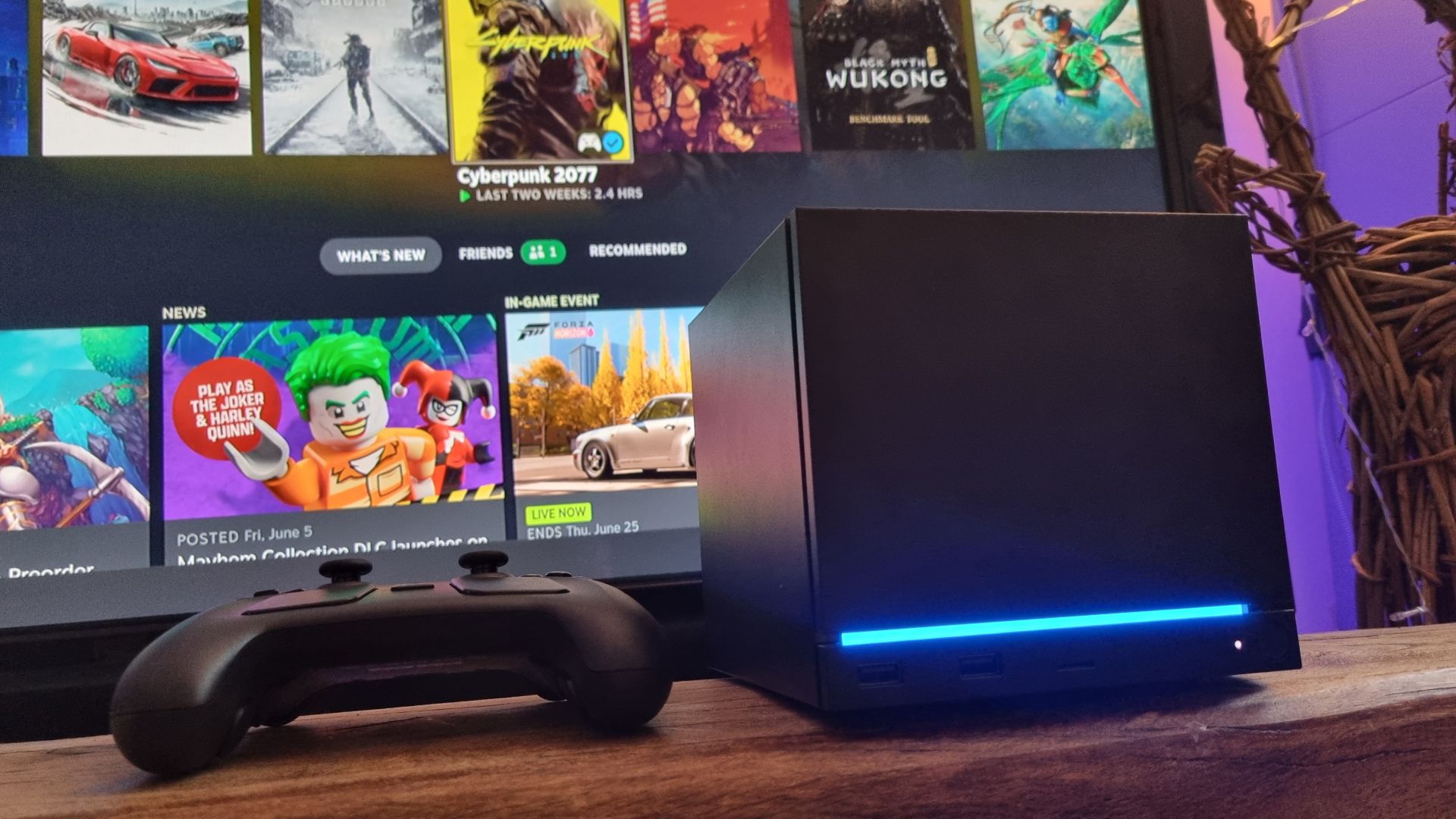
I've just finished reviewing the Steam Machine, Valve's TV-friendly gaming PC for the masses. I think that was the initial idea, at least. Unfortunately, Valve's magic box has, thanks to the memory crisis, ended up with a price tag that simply doesn't add up.
For those who haven't heard, the base-level, 512 GB, non-Steam Controller-including Steam Machine retails for $1,049. Add a controller into the mix, and it comes in at $1,128. Back when we first took a whirl at predicting Steam Machine pricing, our average guess was around $525 for the base model.
Oh, how wrong we were. To be fair to myself, Valve, and my hardware team colleagues, this was back in November of last year. The pre-RAMpocalypse times, as we now call them. Before the AI server market swallowed memory module manufacturing capacity, and consumer electronics began to climb rapidly in price.
We adjusted our guesses more recently, and actually came kind of close, for the most part.
Still, the final pricing has me all hot and bothered, even if it's not far off what we eventually predicted. Because the Steam Machine, thanks to some lower-spec internal components now sold for high prices, represents poor value—and I feel like it deserves more than that.
And I haven't even got to the 2 TB model I reviewed yet, which is $1,349 without a controller, and a wallet-trembling $1,428 with one. That's a huge sum of money for a machine that struggles against budget gaming PCs, some of which come from the previous generation.
It's not like the Steam Machine makes up for its shortcomings with a completely smooth user experience, either. It feels, at the time of writing, a little half-baked. I still found myself hunting through the settings menus to configure it properly on my home TV. I still had to enable compatibility game settings to get past some Linux… quirks.
Keep up to date with the most important stories and the best deals, as picked by the PC Gamer team.
It's got crunch, in places where, for the money, I'd hoped it would be more refined. It's virtually a premium product now, after all. But it doesn't quite feel like it in terms of the overall user experience. And it doesn't run demanding games like it, either.