// PC GAMER — GAMING
Valve says it isn't subsidizing the Steam Machine's $1050 price because of its 'religious' refusal to 'build a more closed system'
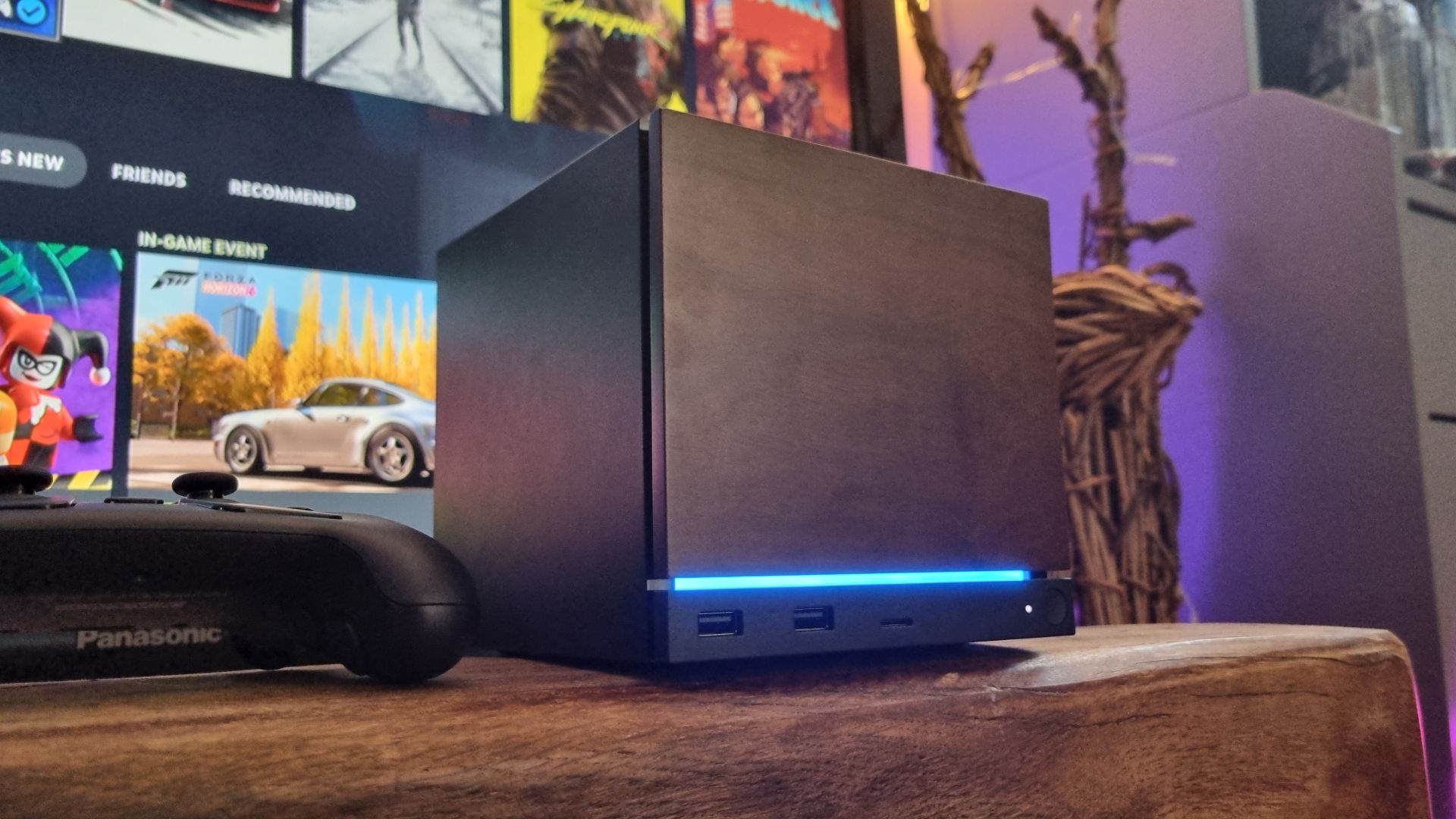
The company says subsidizing hardware costs is ultimately worse for the consumer.
When you purchase through links on our site, we may earn an affiliate commission. Here’s how it works.
The day is here: Wider humanity has gotten its hands on the Steam Machine. Our own Steam Machine review is live, and with it, we've finally got confirmation of the Steam Machine's pricing scheme. The SteamOS-powered gaming box starts at a hefty $1,049.
In its slate of Steam Machine launch announcements, Valve has acknowledged that the price is higher than originally hoped due to the ongoing AI-driven supply crisis in computing components. But it's also provided an explanation for why it isn't subsidizing the Steam Machine's sale price, as videogame console manufacturers traditionally do: It would be a betrayal of Valve's reverence for a free market ecosystem—or at least its idea of one.
In a statement provided to The Verge, Valve said subsidizing Steam Machine hardware "might seem like an easy solution" for bringing prices down, but "it doesn’t align with our beliefs about how healthy ecosystems are built."
"If there’s anything we’re religious about at Valve, it’s our belief that open systems are better in the long run, for ourselves and customers. The openness of the PC ecosystem in particular has enabled it to be the primary driver of hardware and software innovation, because anyone with an idea for a way to do something better was able to take a shot at it."
It's common practice for console makers to strategically sell hardware at a loss, relying on the customer's additional purchases to drive profits. For example, Nintendo is reportedly selling the Switch 2 for less than it costs to produce with the expectation that the loss will be offset by following sales of exclusive game releases that can't be played elsewhere, subscriptions for online services, and accessories.
As a result, while Nintendo might be able to offer its customers a lower entry price by subsidizing the Switch 2, Valve says the practice creates an ecosystem that's ultimately worse for the consumer.
"When companies sell their hardware under cost for competitive advantage, or buy exclusive content for it, they’re doing that to build a more closed system, one where you don’t get to choose what software you want to use," Valve said. "We don’t want that for PC hardware, and we don’t think you should want it either. You shouldn’t feel like you have to buy Valve hardware; you should be able to view it as just one option alongside all the devices for playing games, and select the one that makes sense for you."
Keep up to date with the most important stories and the best deals, as picked by the PC Gamer team.