// NATURE NEWS — SPAZIO & SCIENZA
China is changing the shape of global health. The terms are still up for negotiation
Ruby Wang is a physician, strategy consultant and author of the forthcoming book China Cure (2026). She is based in London, UK.
Search author on:
PubMed
Google Scholar
China is making waves in global health care. The country’s biotechnology companies are producing medicines at a speed and cost that has drawn interest from the world’s largest pharmaceutical groups. They manufacture drugs and medical equipment used across the world. And the national health-care system is testing digital models that connect appointments, test results, follow-up care and more on a scale few other countries have attempted.
There has been much discussion on what these trends mean for the United States and Europe, but this overlooks an equally significant issue: China’s growing number of health-care partnerships with low- and middle-income countries (LMICs).
Governments across parts of Africa, Asia and Latin America are facing expanding populations and disease burdens, which are putting huge strain on fragmented health-care systems. Their nations urgently need medicines, diagnostics, manufacturing capacity and workable care models — all of which China can deploy affordably, quickly and at scale.
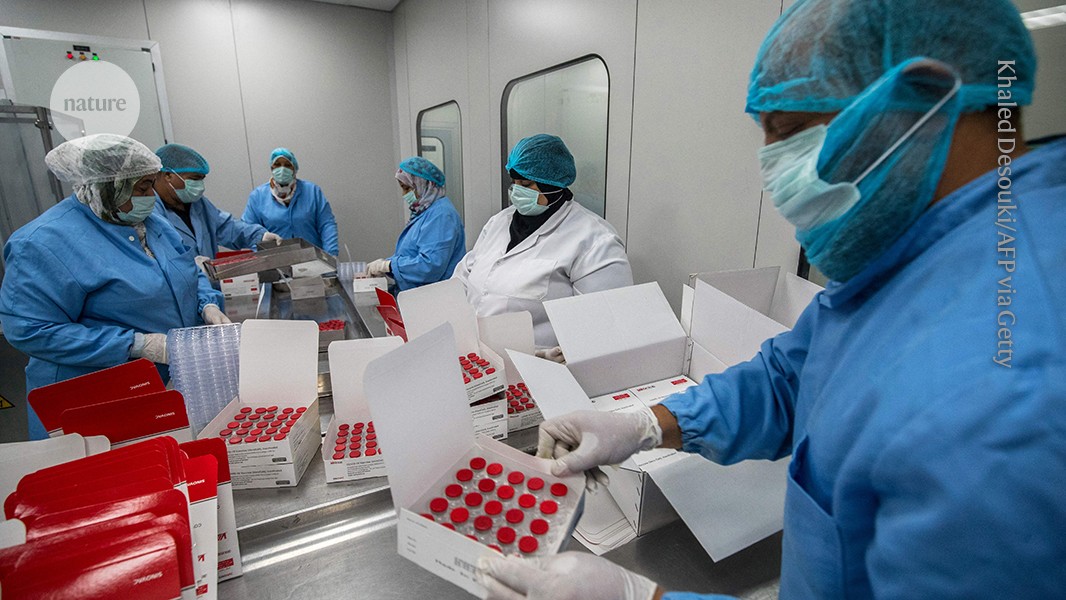
During the COVID-19 pandemic, Chinese companies supplied vaccines to Indonesia and Mexico. Chinese firms have since begun to finance medical equipment in Kenya and Côte d’Ivoire, pharmaceutical and vaccine production in Zambia and digital-health solutions across the world.
These partnerships differ from old models of multilateral aid, budgets for which are dwindling worldwide. Other nations, notably the United States, are moving towards bilateral partnerships, but China has been making these agreements for longer, and is doing so on a bigger scale. And because many of China’s health products were developed while the country was facing pressures similar to those that LMICs contend with — shortages of specialists, regional inequality, tight budgets — they appeal to countries that cannot copy the expensive, hospital-heavy systems of richer nations.
Why the world must wake up to China’s science leadership
As a consultant who advises on political, technological and clinical interactions between China and the world, I know that these deals can be helpful if set up in the right way. But drawbacks will emerge if they are too one-sided or poorly managed. Deals are not inherently either good or bad — but to get the most out of them, it’s essential that governments and multilateral organizations agree on standards to ensure safe, responsible, successful partnerships. The same standards should apply to bilateral health agreements offered by any major power.
First, countries should adopt an intervention only when they can use it safely and at scale. A new hospital requires staff, maintenance budgets and referral pathways. Digital systems need electricity, connectivity and a skilled workforce. Contracts should stipulate that an intervention will be rolled out only once it’s been shown to work under local conditions, rather than just performing in the exporting country.