// HACKER NEWS — CYBERSECURITY
Bomb Fishing Is Wreaking Havoc on Indonesia's Coral Reefs
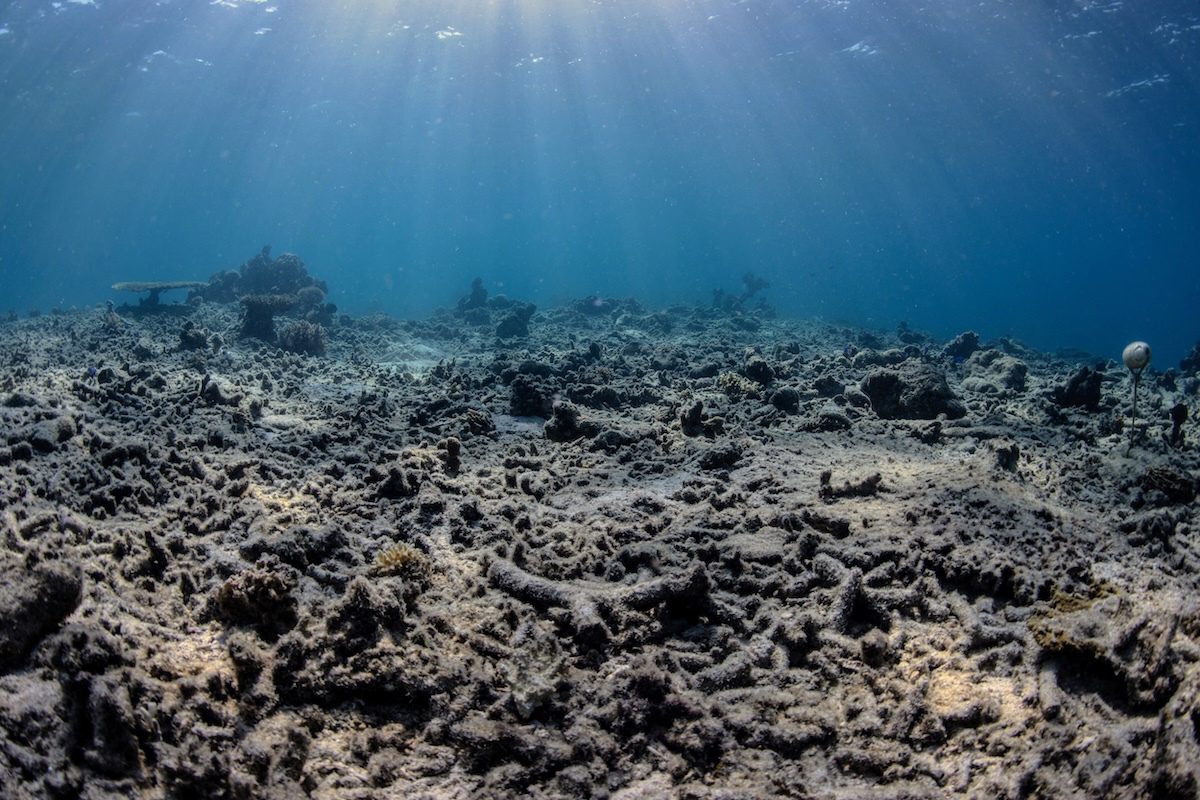
This article was originally published by Inside Climate News and is reproduced here as part of the Climate Desk collaboration.
A bomb-fished coral reef in Sulawesi, Indonesia.
The Ocean Agency
Fishers operating off the coast of Sulawesi, Indonesia, are detonating more than 8,000 underwater explosives each year, researchers estimate. The practice is turning picturesque coral reefs to “rubble.”
Nicknamed the “Amazon of the Seas,” the Coral Triangle is the world’s most biologically diverse marine ecosystem. Sink below the surface and you’ll encounter the sound of a vibrant symphony of snapping shrimp, crunching crustaceans, and feeding fish.
But then the rhythmic music of life will dissolve into eerie silence, punctured only by the plosive boom of detonating bombs.
Off the coast of Indonesia’s Spermonde Archipelago, underwater microphones captured over 3,500 explosions in just 3,600 hours of recording, according to researchers from the Zoological Society of London.
The source? Blast fishing — a globally banned technique that uses plastic bottles packed with explosives to stun and kill everything in a 90-foot radius. The highly destructive practice has been documented in at least 34 countries, from Lebanon and Libya to Brazil and Ecuador.
While fishers predominantly use the method to catch fish for sale at local markets — identifiable by their ruptured internal organs and burst swim bladders — it’s also a grave threat to colorful coral reef habitats.
“Bomb fishing is quite likely the leading cause of reef loss in this area,” said Ben Williams, the paper’s lead author, noting that a single bomb can wreak 200 square feet of destruction. “These picturesque reefs get converted into a landscape that looks like the moon. It’s just rubble and dead coral with very little sign of life.”
In 2023, researchers from Britain and Indonesia snorkeled down and anchored $150 audio recorders to short stakes in the seafloor. Using A.I. software — which the team has now made open-source — they scoured 16 months of audio in just a few hours to identify possible detonations.