// HACKER NEWS — CYBERSECURITY
"Weird" is a weird word
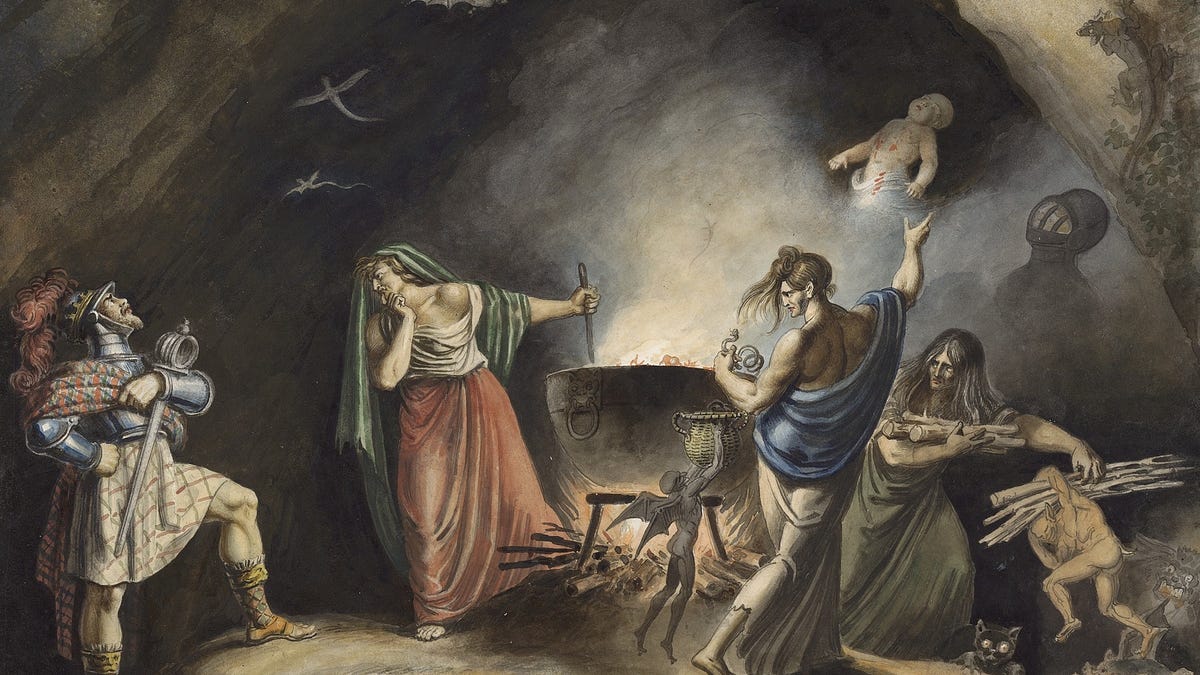
Weird is one of the most commonly used words in the English language. Chances are, the word will pass through your lips (or be tapped out by your fingers) today.
You’ll use it when you need to describe something out of the ordinary: a weird coincidence, a weird smell in the fridge, or — heavens forfend! — that weird guy at the office.
We say weird all the time for the little everyday oddities we encounter.
But weird wasn’t always such a casual word. A thousand years ago, it was one of the heaviest words in the English language: the ancestor of weird was the Old English word wyrd, which meant ‘fate’ or ‘destiny’
Wyrd haunts Old English poetry. It shows up in the bleakest and most fateful moments of poems like The Wanderer and Beowulf.
The Beowulf poet puts it on the lips of the hero of his poem, who mentions wyrd after detailing his requests for what should happen if he perishes in battle: don’t worry about burying him, send his armour back to his uncle. Then comes wyrd, in what sounds like a proverb:
Gǣð ā wyrd swa hīo sċel.‘Wyrd always goes as it must’ (Beowulf 455b)
Or, as the narrator of The Wanderer puts it, in the middle of an account of how he’s forced to sail the sea, utterly alone:
Wyrd bið ful ārǣd.‘Wyrd is totally inexorable.’ (Wanderer 5b)1
Wyrd comes from the same root as the verb weorþan, pronounced roughly WEAR-than, which meant ‘to happen’ or ‘become’.