// HACKER NEWS — CYBERSECURITY
DHS is using obscure law to snoop on journalists, non-profits, unions
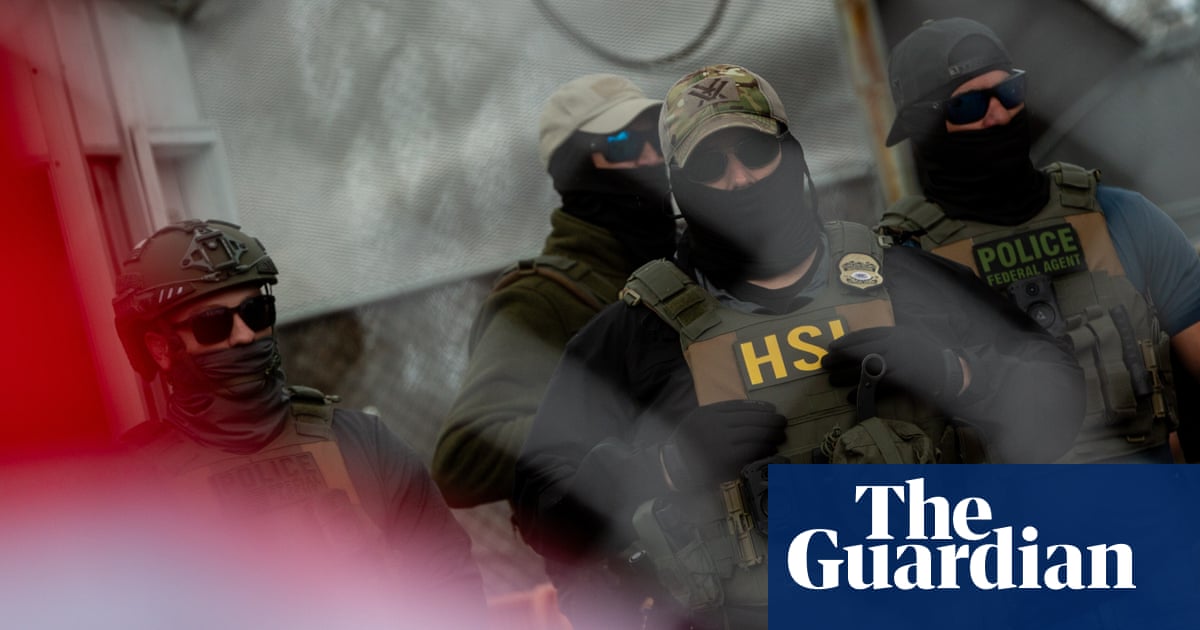
Even after judges rejected the same ploy, the Trump administration is going directly to social media and telecommunications companies
The Trump administration has been deploying an obscure legal maneuver to try to obtain private information on journalists, non-profits and unions, raising alarm over a power the government has asserted without judicial oversight.
In one instance, the government obtained six months of telephone records for Georgia Fort, a Minneapolis journalist. Fort was not notified of the request for her information, nor was she given a chance to contest the government’s effort to obtain them, her lawyers said in court papers.
In February of this year, federal prosecutors twice sought search warrants for account information for the YouTube channel of Fort and the journalist Don Lemon, both of whom have pleaded not guilty to criminal charges in connection to a protest at a Minneapolis church in January that they were covering. A judge twice rejected the request, writing that the government had failed to establish probable cause of a crime and that he wanted Lemon and Fort to be informed of the request so they could have a chance to challenge it. About a month after the judge’s ruling in late February, the government said it was withdrawing the request.
Less than a month later, the DHS served Google with a different request for the YouTube information. This time, DHS utilized a different method that didn’t require approval from a judge, only a sign-off from a DHS official. It served Google an administrative summons citing an arcane provision of federal law – 19 USC 1509 – dealing with customs imports. The provision gives the DHS broad power to inspect records in order to determine whether duties and taxes are being correctly levied on imported items. It also instructed the recipients of the summons to keep it secret.
The DHS summons was issued under a statute that does give the agency broad power to demand records, but only in the limited circumstance of there being a need to investigate a customs issue, said Chris Duncan, a former lawyer at the Department of Homeland Security. “These laws have absolutely nothing to do with a domestic situation at a church, a social media post, even an immigration matter,” he said.
“It’s outrageous conduct on so many levels. It’s hard to know where to begin,” said John Roth, who served as the inspector general for the Department of Homeland Security from 2014 to 2017. “This is an improper use of the subpoena under any circumstances. This is not a customs case; it is not a customs violation. They are not investigating a customs violation.”
The episode in Minnesota was particularly alarming because it appeared to be an end run around a judge who was skeptical of the government’s need for the information.
“There is no judge in the loop. You don’t have that independent authority to scrutinize the demand and to say whether or not it’s legitimate,” said Caitlin Vogus, a senior adviser at the Freedom of the Press Foundation.
The DHS also sought and obtained six months of phone records for Fort from T-Mobile, which included records for more than 10,000 calls and text messages. Fort was not notified the government was seeking the records until mid-July, when government lawyers produced them to her lawyers. Fort’s lawyers wrote in a filing this week they were “stunned” to see the government had unilaterally been able to obtain a log of her communications after a judge had warned them about obtaining records about a journalist.