// HACKER NEWS — CYBERSECURITY
The Wandering Yamamura Theater Troupe
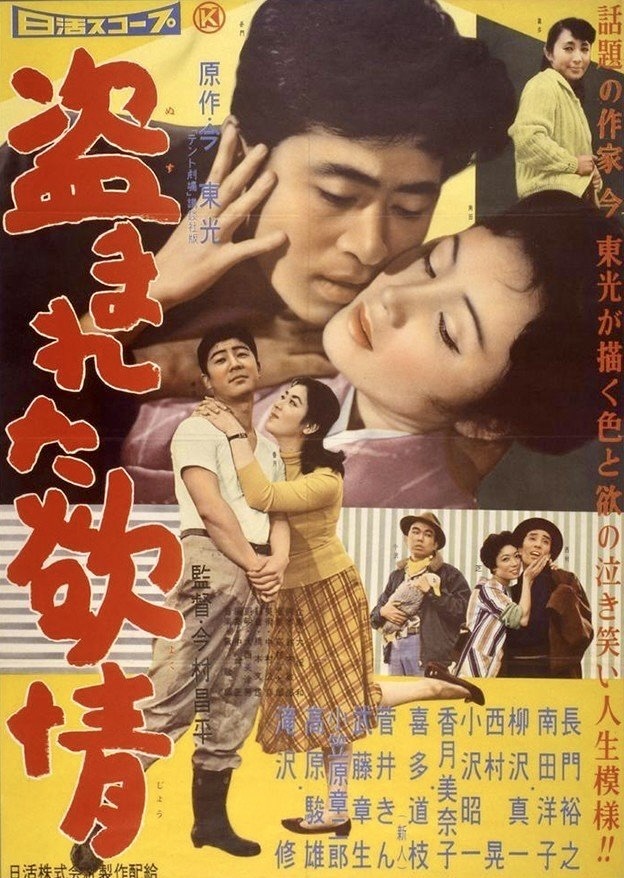
During the post-war years in Japan, a new generation of filmmakers began to address the changing social and political changes in their country which earned them the label of the Nuberu Bagu. Emerging around the same time as the French New Wave in the late 1950s/early 1960s, Masahiro Shinoda, Nagisa Oshima, Yoshishige Yoshida and Shohei Imamura were among the most famous directors in this radical new movement. Imamura, in particular, is an intriguing figure because he worked as an assistant director for Yasujiro Ozu on three of his films – Early Summer [1951], The Flavor of Green Tea Over Rice [1952], and Tokyo Story [1953]. Despite his respect for Ozu, Imamura became frustrated with the director’s rigid and idealized view of Japanese life and broke away to make his own kind of movies which dealt with the lower rung of society, especially outcasts, prostitutes and criminals – the kind of people Imamura lived among and empathized with during the late 1940s. None of this was blatantly obvious with the first films Imamura made for Nikkatsu Studios but you can still perceive a fondness and admiration for disenfranchised people in his feature film debut, Nusumareta Yokujo (English title: Stolen Desire, 1958). An episodic and picaresque tale of a ragtag theater troupe, the movie is an earthy, sensual comedy-drama and surprisingly upbeat in tone compared to Imamura’s later work.
The movie focuses on several characters in the troupe as their fortunes rise and fall due to their itinerant status but it is Shinichi Kunida (Hiroyuki Nagato) who becomes the main protagonist in the story. A college graduate, Kunida is working as a stage manager for theater director Yamamura (Osamu Takizawa) but he is treated more like a naïve idealist by the working class perfomers. All of his creative suggestions to try new plays and material are ignored in favor of just sticking to tried-and-true favorites. In fact, he spends most of his time opening and closing the curtain for the shows and settling disputes between squabbling actors.
The Yamamura stage show is a lowbrow mix of sexy strippers who open the revue and popular kabuki plays performed in a broad style. When a former university friend of Kunida sees him working with the troupe, he tries to encourage his friend to aim higher and enter a more respectable profession like the medium of television. Kunida doesn’t pursue this but it does make him question why he loves theater work so much and what the future might hold for him.
Imamura would later state in interviews that Kunida was a stand-in for himself as he was full of indecision about his life when he was around the same age. Kunida’s insecurity about his role in the troupe is further complicated by his relationship with Yamamura’s two daughters, Chidori (Yoko Minamida), the wife of the headline performer Eizaburo (Shin’ichi Yanagisawa), and Chigusa (Michie Kita), Chidori’s younger sister. Chidori is secretly in love with Kunida but encourages him to date her sister in an effort to keep him from leaving the troupe for a better paying job. Kunida, however, is attracted to both women and his love life threatens to create problems for Yamamura’s entourage.
When financial difficulties force the actors to leave Osaka for the rural countryside, their luck changes for the better and they set up their tent theater in a village where the residents are starved for entertainment. Their good fortune has a revitalizing effect on the entire troupe but it also stimulates the local economy; some villagers profit from the situation by selling sushi, sweet cakes and homemade Coca-Cola (a mix of medical herbs and carbonated water) to the actors and audience while a few of the men become overly obsessed with the female performers.
The sequences in the countryside are rambunctious and mostly played for broad comedy though there are darker undertones. A scene where Chigusa is kidnapped by five men and taken away in the night is treated like a schoolboy prank but