// PC GAMER — GAMING
Star Wars Zero Company's permadeath makes it a better RPG than most RPGs, even though it's not really an RPG
When you purchase through links on our site, we may earn an affiliate commission. Here’s how it works.
Welcome to Dungeon Master, PC Gamer's regular RPG column, where Online Editor Fraser Brown delves into PC gaming's most beloved and enduring genre. This week, Associate Editor Ted Litchfield has subbed in to trade iron short swords and goblins for blaster rifles and clone troopers
When I first tried Star Wars Zero Company for preview, its rhythm reminded me quite a bit of Mass Effect 2: Walk around your home base, upgrade stuff, talk to people, select non-combat activities and missions from a galaxy map, and enter levels that feel "strictly business." Heavy on the combat, with minimal nonviolent gameplay.
It really struck me that Zero Company evolved into this form that has a lot of appeal for the story-heavy RPG fan like myself, but emerged out of a very different, tactics game lineage. That process of reverse-engineering something very RPG-like from a separate but related genre has resulted in a game that I'm not sure the likes of Owlcat, Obsidian, or Larian ever would have made.
Zero Company lacks the branching dialogue trees and minute reactivity of many RPGs, but taking on the apparently herculean task of making even story-centric characters permanently killable has resulted in a game that feels more profoundly reactive and personal than most RPGs I've ever played.
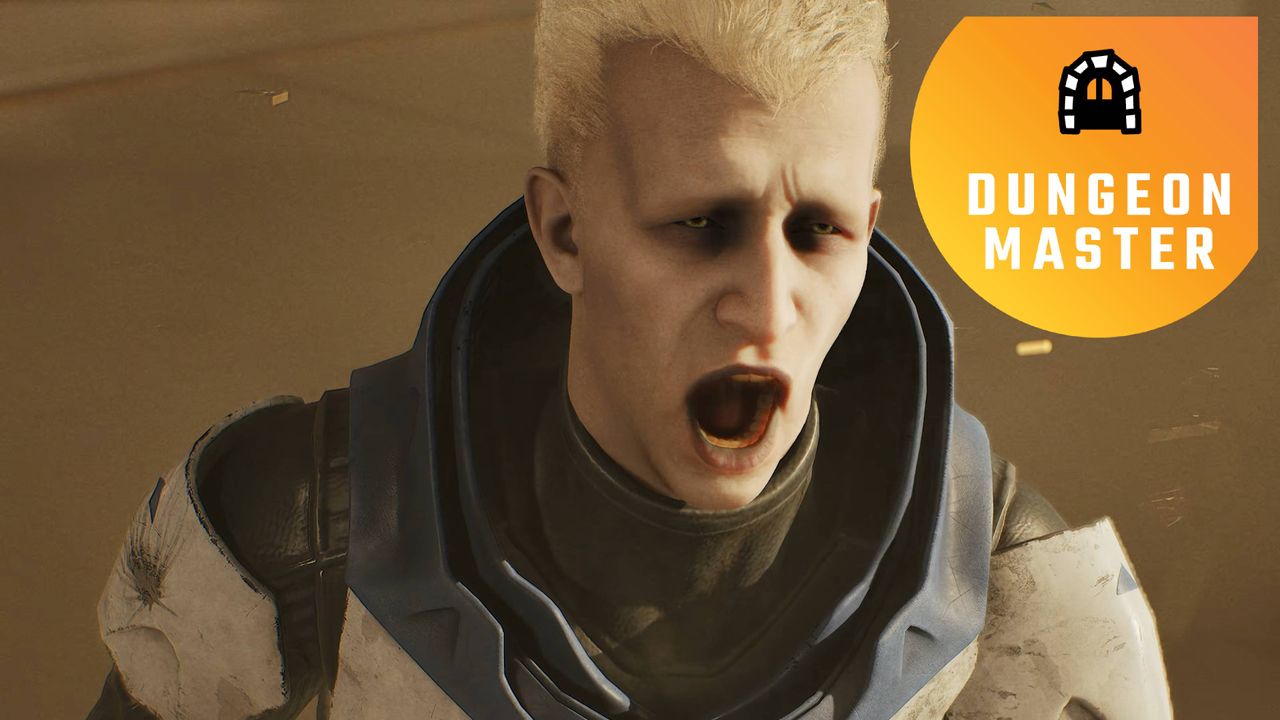
One of the coolest things about Zero Company is its simultaneous embrace of permanently missable/killable/losable main characters and triple-A production values, something I think I've only otherwise seen in Baldur's Gate 3, and there only through specific beats of the main story.
In Zero Company, if an operator gets knocked down three times without a stay at the medbay in-between, they're gone for good, no ifs, ands, or buts. Unless you tweak the setting in the game's difficulty—but come on, don't do that. Save scum like a true PC gamer.
Zero Company's focus on tactical combat as its north star means you don't see other forms of RPG choice and consequence, like alienating people out of your party in BG3 or Rogue Trader, but being able to permanently miss out on a companion's presence and subplot due to a careless mistake in combat feels more meaningful and personal than many of the authored choices in games I love.
There are very few RPGs that have managed to truly paralyze me with their binary moral choices—Dread Delusion and Cyberpunk 2077: Phantom Liberty spring to mind—but more often, I feel fairly secure in the choices I make in such games, and even stick with them in subsequent playthroughs.
Keep up to date with the most important stories and the best deals, as picked by the PC Gamer team.