// PC GAMER — GAMING
Dwarf Fortress creator says we have a natural lean towards human-made stories, 'but we're all going to be very sorely tested in the coming years' by AI
When you purchase through links on our site, we may earn an affiliate commission. Here’s how it works.
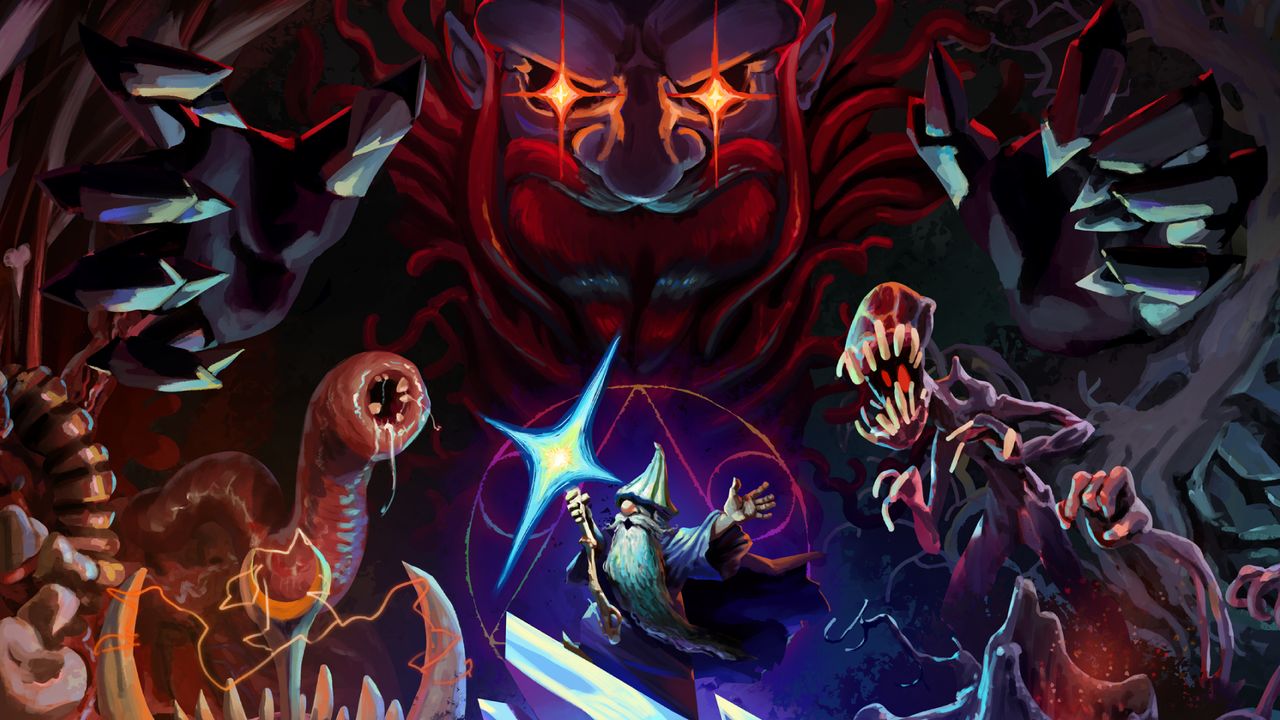
Dwarf Fortress has an endless capacity for telling stories. It's a game built on procedural generation, and any longtime player'll be able to spin up a dozen yarns about some absurd thing that happened to their gaggle of miners.
Just look at a headline from our own Lincoln Carpenter: "Dwarf Fortress forensic specialists blame mysterious case of spontaneous human combustion on a historical artifact that suddenly remembered it's four times hotter than the surface of the sun." What a beauty.
Anyway, this sort of puts the lie to the idea that generative AI will be the first advent of something that can tell infinite stories, always and forever—because Dwarf Fortress has been doing that without a single LLM for its entire existence. Point being, if you want something that can tell infinite stories, you're probably best off giving us the tools to do that, rather than the finished product itself.
Speaking to PC Gamer's Joshua Wolens at Gamescom 2026, co-creator Tarn Adams gets a little into it while talking about how they decide whether a simulation's worth it to layer on top of the game: "If you feel like you've played through it yourself a bunch, and you're like, 'oh, that was cool. That's a good beat,' and you're seeing a little narrative forming? Then you know it's going to work."
Adams talks about a hypothetical in which a meeting of dwarven barristers is interrupted by a very rude dog that comes in and bites someone—not even particularly strange, by Dwarf Fortress standards. Asking him as to why we find these emergent, mechanics-based stories so endearing (as opposed to AI slop, which hasn't yet produced a notable story people seem to like), Adams responds:
"Well, I mean, [you like human stories] because you're a human, and you resonate with things that other humans have done because there's a common experience at just the barest basic level.
"You can't always tell," Adams admits. "And that's part of the trick, right? That's what a Turing style test is, right? Can you tell the human spark that's in there? And when you fail a Turing Test as a human, meaning that you got confused by a robot … maybe that's credit to the robot, or maybe that's discredit to you. I don't know which one, but we're all going to be very sorely tested in the coming years as we're surrounded by such matter."
Keep up to date with the most important stories and the best deals, as picked by the PC Gamer team.
It's an interesting way to look at a Turing Test—not whether a computer can act as intelligently as a human, but whether a computer can replicate our "human spark". Which, at the risk of sounding sentimental, does feel like a vital part to actually enjoying art.