// ITS FOSS — LINUX & OPEN SOURCE
Vanilla OS 3 Comes in Hot, Packing ARM64 Support After a Long Wait
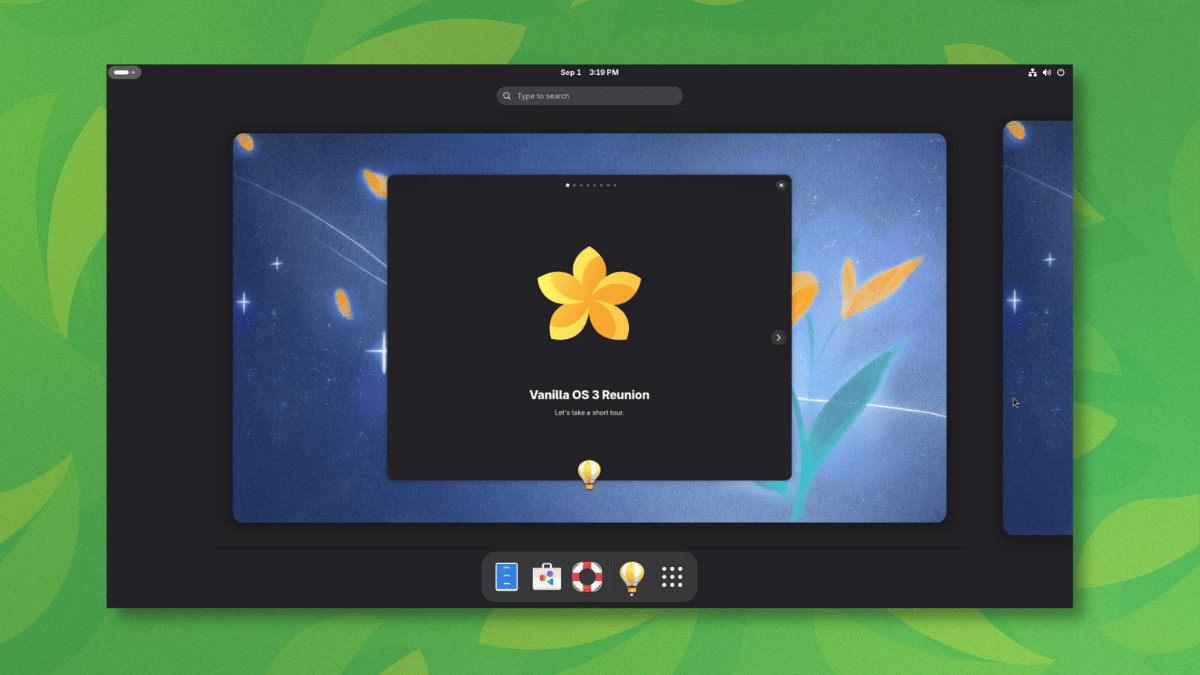
My history with Vanilla OS goes back to 2022, when I covered its debut stable release, just a month after I landed this gig at It's FOSS (yapping about open source and Linux).
Since then, my focus has moved to other distros and governance-focused developments, though I did watch it swap its Ubuntu base for a Debian Sid one and, from a distance, then go through an Orchid-themed overhaul in 2024.
I never got around to actually running it later on (or even reviewing it), but that's how things go, I guess.
If you haven't come across it before, Vanilla OS is an immutable, atomic distro built around ABRoot, with Apx facilitating package installation inside containers instead of touching the base system directly.
Well, if you are someone who is running an ARM64-based setup, be it a single-board computer, laptop, or a fully-fledged workstation that boots UEFI, then you will be glad to know that Vanilla OS now has proper support for the ARM64 platform.
Every package now builds for both ARM64 and x86_64, and the team isn't treating ARM64 as the lesser platform; functionality-wise, it's supposed to match the other one for one.
And, with the exception of NVIDIA builds, most images of Vanilla OS are now bit-for-bit reproducible. That means you can rebuild an image yourself and check it matches what the project ships instead of just blindly trusting what their build infrastructure pumped out.
Powering the release is Linux kernel 7.1.3, which is accompanied by GNOME 50. While we have already talked a fair bit about this desktop environment release across other distro releases, here's a refresher for you.
GDM now runs Wayland only, following through on the X11 removal GNOME backed away earlier. Fractional scaling also graduates out of its experimental flag this time around.
You get a bunch of new default apps too. Ptyxis takes over from Black Box, and its container support is the reason why you should keep an eye out for it.