// PC GAMER — GAMING
Resonance: A Plague Tale Legacy review
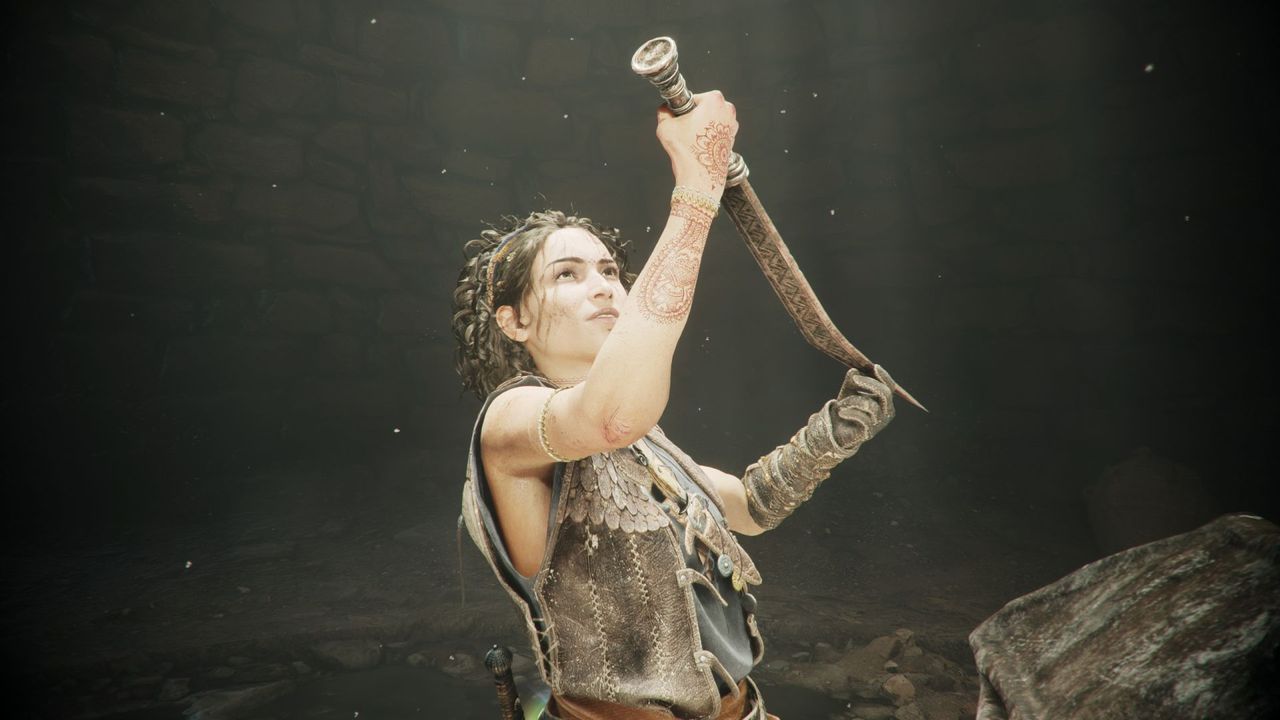
On the Tomb Raider reboot scale this is better than Shadow, not quite as good as Rise.
PC Gamer's got your back
Our experienced team dedicates many hours to every review, to really get to the heart of what matters most to you. Find out more about how we evaluate games and hardware.
What is it?: Plague Tale prequel goes full third-person action-adventure.Expect to pay: £44/$50Developer: AsoboPublisher: FrogwaresReviewed on: Windows 11, Intel Core i9, 32GB RAM, Nvidia RTX 4060Multiplayer?: NoSteam Deck: PlayableLink: Official site
The Plague Tale series were puzzle-stealth games about kids trying to survive a Horrible History version of France during the Hundred Years War, sneaking past soldiers and using light to frighten hordes of rats that could strip them to bones in an instant. I loved their atmosphere of pulpy Grand Guignol supernatural history, but didn't love a lot of the actual videogame parts.
Too often a fussy sneaking section would end with an accidental step over an arbitrary line, then back to a checkpoint at the start of the area. In the second game, A Plague Tale: Requiem, I once had to skip through two cutscenes to get back to the beginning of the section I died at—a sin I might have uninstalled the game for if I were less invested in the story.
If you were expecting another game of hide and squeak from this spin-off, you'll be disappointed. Resonance: A Plague Tale Legacy is a prequel that takes pirate-adjacent smuggler Sophia, a popular character introduced in the second game, and dives into her past without feeling the need to throw in a plague, slingshot, alchemy, or other hallmarks of the series. Though it does include stealth in the back half, the focus of Resonance is a Mediterranean treasure hunt with a brand new sword combat system. It's Tomb Raider with stabbing instead of shooting.
The stabbing's quite good. I'm sick of parrying in games, but while the enemies in Resonance have a stagger bar that fills the more of their combos you deflect, you can also fill the bar by picking up a random object and smashing it in someone's face. Grabbing a bottle and hurling it into a soldier's gob makes you feel like a proper rogue, and there's a meaty kick too, which not only staggers enemies (and makes ones with shields drop their guard), but can push them off ledges to their death if you can't be bothered mastering parry and dodge timings.
I liked the kick so much it was the first thing I upgraded with the "resonance points" you earn from defeating groups of enemies or finding seashells lying on the ground. Though it's linear, sometimes a side passage or optional puzzle will hand out rewards like resonance points, a new sword, or jewellery that might increase your crit chance or parry timing window. Sophia actually wears the jewellery you find, and by the end of the game I'd put on so many bracelets it was a wonder she could lift her arms.
The Minoan ruins you're exploring are gated by puzzles that can usually be solved by manipulating lenses to shine light at the right spot or standing on symbols in sequence. It's pretty rote stuff, with a couple of properly bullshit leap-of-logic headslappers thrown in to keep you on your toes. (The Black Temple door puzzle can go and do one.)
The structure will feel familiar to anyone who has played prestige videogames with cinematic pretensions. You struggle through a crack squeeze so the camera can be nicely lined up to show you an impressive vista that's just finished loading; you slide down or fall off things so the previous area can be dumped from memory safe in the knowledge you can't turn around and go back. Where the first two Plague Tale games were mid-budget medieval Last of Us minus Joel, this is more of a mid-budget melee-combat Uncharted.