// HACKER NEWS — CYBERSECURITY
Usbsid-Pico: Bridging Real Commodore 64 Sound to Modern USB
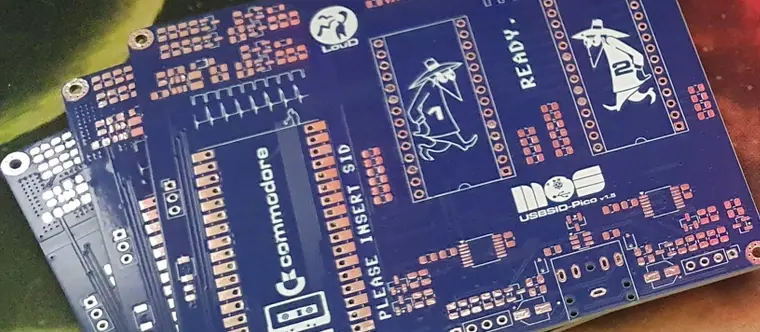
For many of us retro enthusiasts, the Commodore 64’s MOS Technology SID chip (6581 and 8580) is regarded as one of the most iconic sound chips in audio history.
(Modern) Software emulation gets close, but nothing truly replaces the analog filters and warm distortion of real vintage hardware.
I am LouD (short for loudness) and I created USBSID-Pico to bridge real SID silicon directly to modern workstations, phones, and media players over USB (CDC/WebUSB/WebSerial), MIDI, ASID and in the future possibly WiFi and Bluetooth.
Powered by the Raspberry Pi Pico microcontroller series (rp2040 and rp2350), the board acts as a flexible controller for up to two (and soon four) physical SID chips or modern hardware replacements.
What follows is my journey (as far as I remember) and attempt at creating a project build log detailing the start and evolution from early prototypes to the open-source hardware powering the retro audio experience for (at least some) enthusiasts today.
For as long as I can remember I have been interested in how things work.
From the first Commodore 64 my parents bought, the first XT PC we owned at home, to the first Pentium PC I bought when I was a teenager, up until today (and beyond) where I work as software engineer.
Tech fascinates me, so when I have the option I like to pry it open, find out how it works and put it back together with "improvements" not caring (at first) if it still works.
I'm not much of a musician but do like to listen to all kinds of music, including chiptunes of course ;-)
Inspired by my older brother who repairs Commodore 64s among other things, a new project idea popped into my head. I wanted to see if I could create a SID playing device to listen to the SID tunes I already listened to on my computer and maybe even play them through a real SID chip.