// SPACE.COM — SPAZIO & SCIENZA
Venus is disappearing from the evening sky — here's how to see it while you can
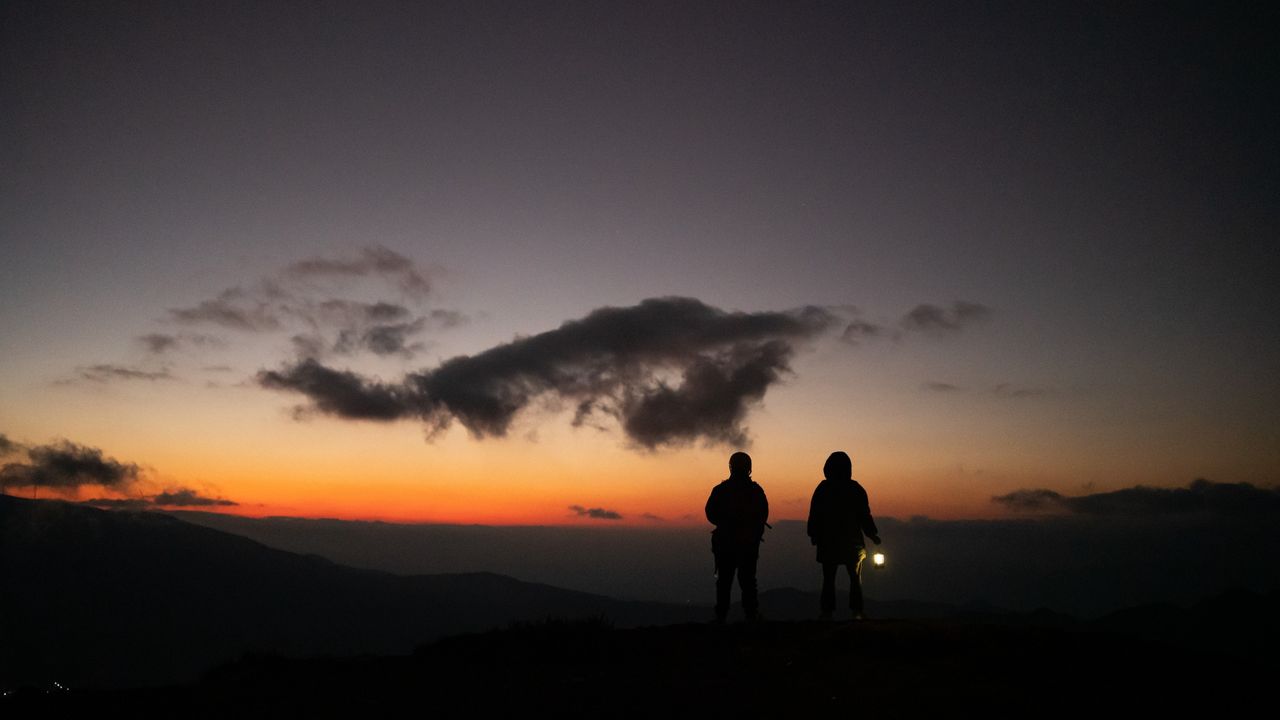
Venus is sinking lower into the sunset this September, but the brilliant Evening Star won't be gone for long.
When you purchase through links on our site, we may earn an affiliate commission. Here’s how it works.
Soon, the sky's most glamorous evening performer will take its leave.
Since late March, Venus has been the unmistakable "Evening Star," gleaming shortly after sunset and stealing attention from nearly everything else in the twilight. In June, it helped stage a striking three-planet lineup after sundown, outshining both Jupiter and Mercury.
Now the curtain is beginning to fall: Venus is sinking night by night and will trade its evening role for a morning one before October is over.
Venus moves to a remarkably regular beat. Our nearest planetary neighbor circles the sun in an almost perfect path, completing 13 orbits in 8 Earth years. From Earth, that rhythm makes Venus appear to trace five great loops across the sky in the same span. It is a long cycle noticed by skywatchers — and important to the ancient Aztec and Mayan civilizations — and it gives each Venus year its own recognizable personality. In 2026, the pattern closely echoes 2018, differing by only about two days.
Venus is about to blaze at peak brilliance, but this farewell performance comes with a challenge. All month long, the planet will slide lower in the southwest after sunset, shortening the window for a good view. If the horizon is clear and the weather cooperates, these are the evenings to circle on your skywatching calendar.
Ordinarily, the weeks between greatest elongation and greatest brilliancy are prime time for Venus watchers. Not this year. For evening observers, this apparition has been more frustrating than triumphant, with Venus lingering low in the glow of twilight instead of climbing into a commanding position.
The best views came back in June, when Venus lingered until around 11 p.m. Since then, it has been ducking out earlier each night. By Aug. 15, the evening of greatest elongation — when Venus reached its greatest apparent distance east of the sun — it was already setting just as evening twilight faded.
For observers at mid-northern latitudes, the finale is especially low to the horizon. Around 40 degrees north latitude, Venus will stand only about 5½ degrees above the southwest horizon at sunset by the end of September. That is barely more than half the width of your clenched fist held at arm's length — a beautiful but fleeting target in the fading light.