// SPACE.COM — SPAZIO & SCIENZA
How 'Spider-Noir' captured the multiverse in True-Hue Full Color and Authentic Black & White (interview)
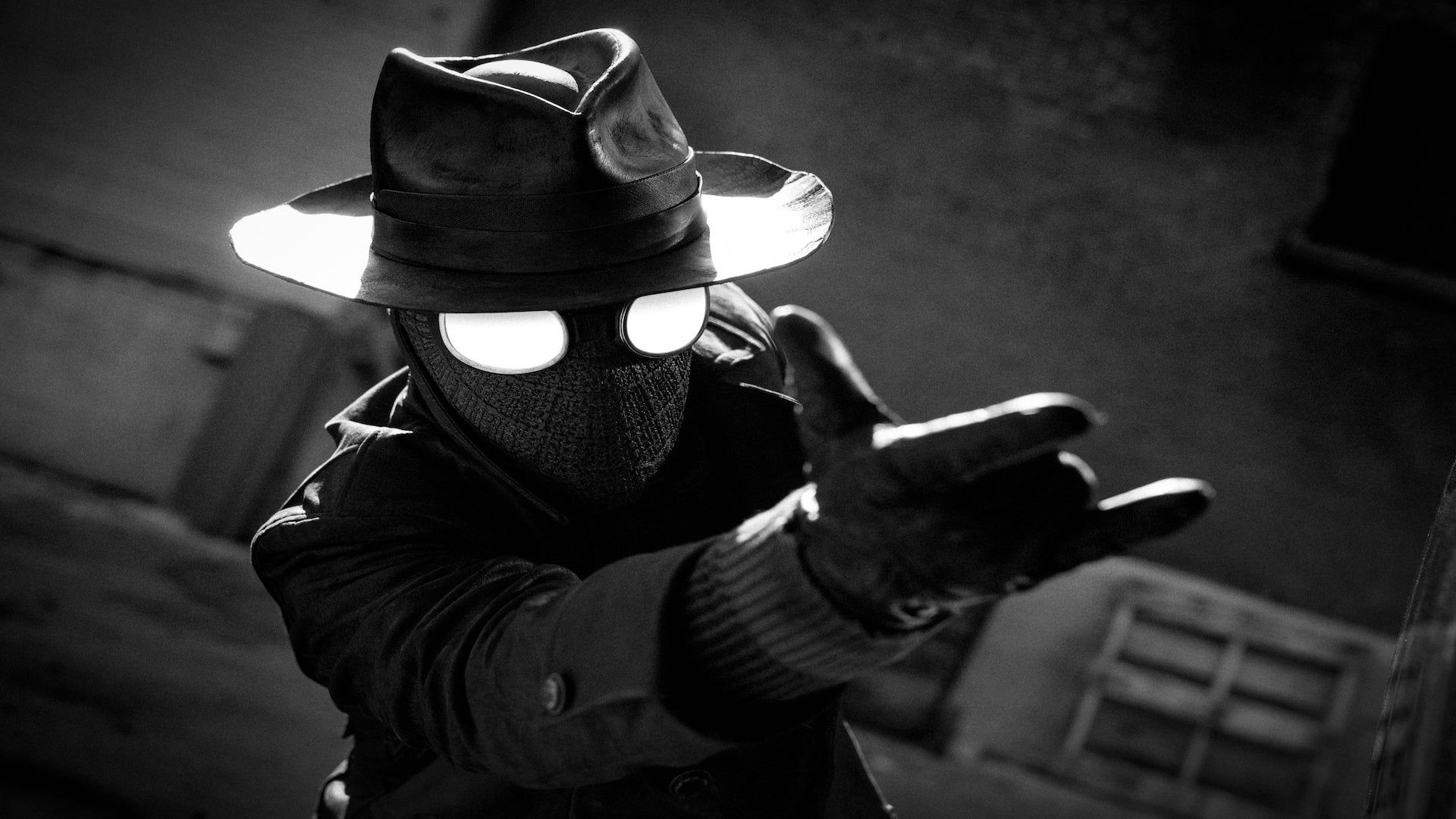
'It was such a great playground to play in, and I hope that it opens up more projects like this for creatives to embrace and trust.'
When you purchase through links on our site, we may earn an affiliate commission. Here’s how it works.
"Spider-Noir," Prime Video’s new antidote to superhero fatigue arrived on May 27 and the spirited show is currently enjoying a wave of enthusiastic reviews from both critics and fans and is now registering an impressive 91% Rotten Tomatoes aggregate score.
It stars Nicholas Cage as Ben Reilly, AKA The Spider, a Depression-era multiverse version of Spider-Man in New York City which was introduced in Marvel’s "Spider-Man Noir" comic books and later seen in the 2018's "Spider-Man: Into the Spider-Verse." He's a different beast from Peter Parker (Spider-Man going to space was a nice surprise, but we don't expect Cage's webslinger to ever make it into the cosmos), and not really part of the MCU (yet).
"Spider-Noir" is eight episodes of old-fashioned fun featuring pulp villains like Molten-Man, Tombstone, Sandman, Electro and the villainous crime lord Silvermane, played by veteran actor Brendan Gleeson ("Braveheart," "Harry Potter Franchise").
But one of it's most alluring elements is that viewers can watch episodes in either True-Hue Full Color or Authentic Black & White, a cool gimmick that provides a very different experience depending on whatever suits your taste.
We connected with acclaimed cinematographers Darran Tiernan ("The Penguin," "Westworld") and Peter Deming ("Evil Dead II," "Cabin in the Woods"), the filmmaking wizards behind this two-pronged experiment to learn how it evolved during production.
"Initially it was going to be a black-and-white show and then very early on it was like, 'can we have a color version too?'’" Tiernan tells Space.
"I think it was Nic and Oren [Uziel] that said to the studio, 'well why not have both?' There was always going to be a little bit of concern about black-and-white. However, it's a film noir. So the task that was set to us was how are we going to create two versions that can co-exist with each other? We went through a lot of testing and discussions. Then it was a matter of synching departments so they knew what camera and lighting set-ups looked like.
"When we did the color sessions we tended to do the color version first, then the black-and-white, and there were certain scenes that would actually create a different emotional reaction in me, even though it's the same scene, the same actors, the same lines, the same composition."