// SPACE.COM — SPAZIO & SCIENZA
Could future astronauts use oysters as water filters? Here's why one company thinks so
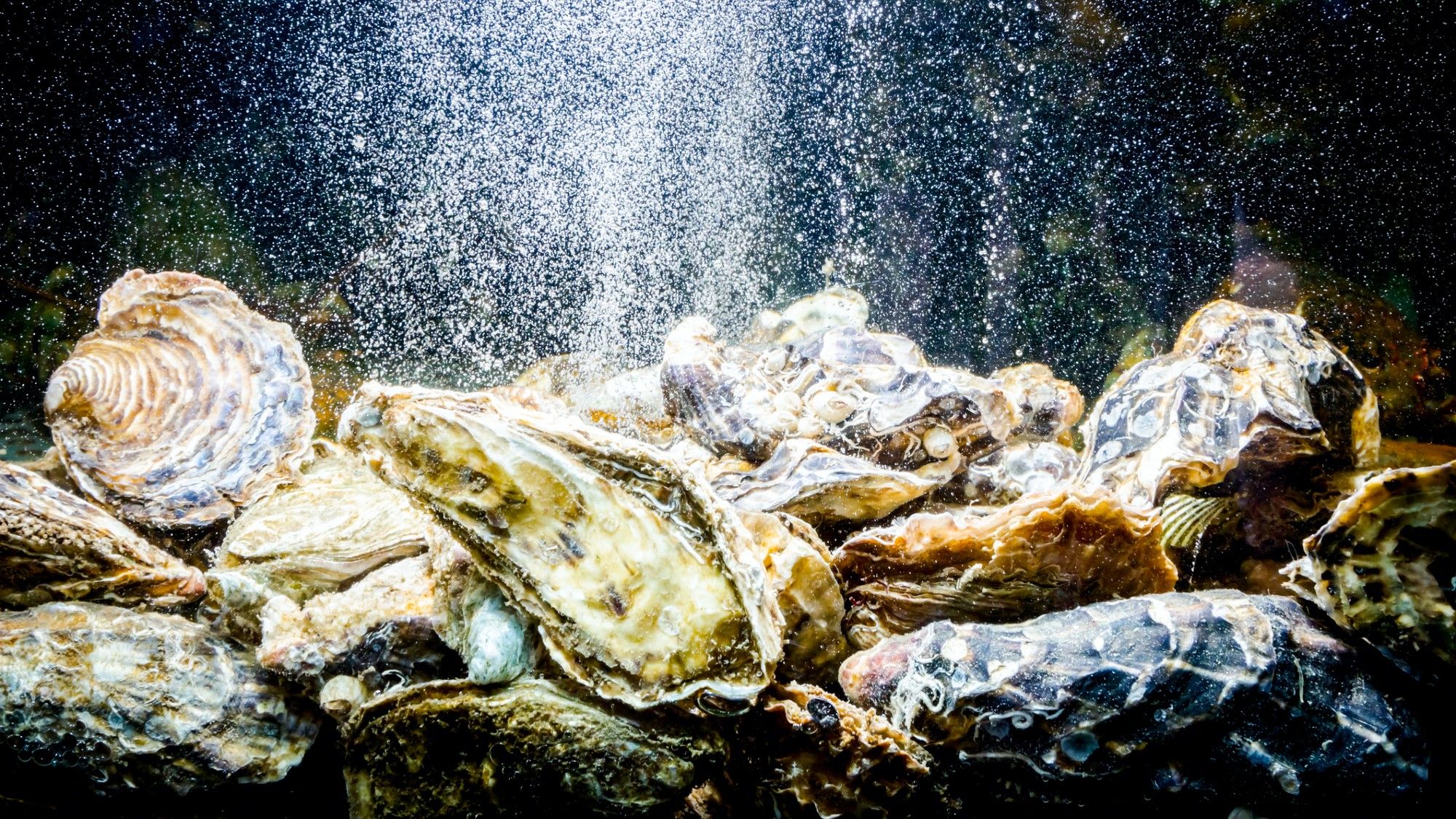
New research suggests oysters "provide natural water filtration", suggesting a possible use during long-duration missions.
When you purchase through links on our site, we may earn an affiliate commission. Here’s how it works.
Engineers looking for safe water and recycled air for astronauts should look no further than nature, according to one team of researchers.
Oysters and other forms of "biogenerative" life support systems, which use living beings for food, water recycling and air regeneration, are under study at Pennsylvania's Harrisburg University with Monolith Space, a small company featured on the This Week in Space weekly podcast with Space.com's Tariq Malik and author Rod Pyle in March.
The shelled creatures aren't the only ones Harrisburg researchers are looking at: students and researchers are also examining algae, mollusks and even finfish. Hydroponics, or growing plants in water, is another approach. Monolith founder Jacob Scoccimerra, who is based in D.C., said the research is not only crucial for future astronaut living, but also unique among food projects in space. To the best of his knowledge, oysters have not yet flown in space, he told Space.com in an e-mail.
"There are no dedicated facilities on the ISS capable of studying this, currently, that being a dedicated aquarium-like facility with environmental control," he noted. The ISS previously did have an aquatic habitat until 2012, he said, but he described it as small (less than 3 liters or 0.8 gallons) and studying "primarily small finfish."
"Other aquatic organisms have been studied in a variety of non-specialized hardware," he said of space research more generally, but noted there is "no facility that is large enough to host organisms like oysters."
That's where a new prototype is coming in; Harrisburg and Monolith are together creating a closed-loop aquaculture system for marine organisms, which Scoccimerra said is roughly one-third of the way through NASA's technology readiness levels describing readiness for spaceflight.
Specific applications of the research for astronaut missions are still being determined, but the university described the system as an "automated, closed-loop aquaculture system to grow and study marine organisms that may be beneficial candidates for space nutrition and research." That said, the university also notes that oysters "provide natural water filtration", suggesting a possible use during long-duration missions.
Harrisburg's Rachel Fogle (an associate professor) and Glenn Williams (an instructor), provided guidance on the prototype, which uses oyster spat (baby oysters) and then helps the oysters grow into adulthood. The prototype was demonstrated publicly April 8.