// SPACE.COM — SPAZIO & SCIENZA
On this day in space! Sept. 15, 1968: Russian tortoises (& other critters) launch around the moon on Zond 5 spacecraft in wild first circumlunar flight
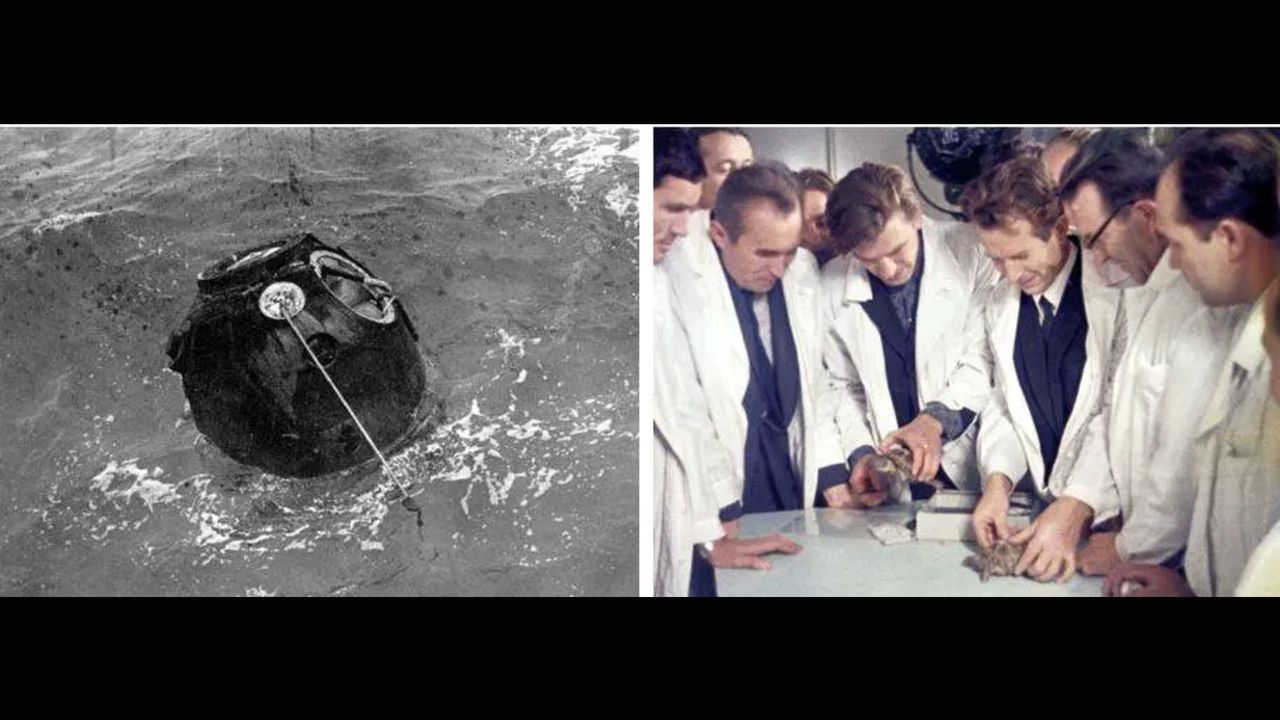
The Zond 5 launch was a giant leap for tortoise kind, and marked the first-ever successful circumlunar flight from Earth to the moon and back.
When you purchase through links on our site, we may earn an affiliate commission. Here’s how it works.
On Sept. 15, 1968, the Soviet Union launched the Zond 5 spacecraft on a mission to loop around the moon and return to Earth. There were no cosmonauts aboard, but there were several smaller vertebrates — including the first two tortoises to ever go to space!
Other passengers included wine flies, mealworms, plants and seeds. These were the first animals in deep space and the first to travel around the moon.
After looping around the moon, the Zond 5 spacecraft turned around and came back to Earth. It was supposed to land in Kazakhstan on Sept. 22, but the spacecraft's guidance system failed, and it splashed down in the Indian Ocean instead.
The Soviets did recover the capsule and found that the tortoises and other critters were still alive, although they had lost some weight since the start of the mission.
In September of 1968, the Space Race to the moon was in full swing. NASA was just three months away from the historic Apollo 8 mission, which sent the first astronauts around the moon in daring first-of-its-kind mission.
But with Zond 5, the Soviet Union scored an early win for the first circumlunar flight that launched from the Earth to the moon, then returned for a landing (or splashdown, in this case). In fact, the flight may have spurred NASA to launch Apollo 8.
"The flight of Zond 5 caused concern in the U.S. that the Soviets would place cosmonauts aboard the next Zond and complete the first crewed circumlunar mission. At about this time, a U.S. Corona reconnaissance satellite photographed an N-1 rocket on its pad at Baikonur," NASA wrote in a report, adding that NASA's then-chief James Webb likely saw those intelligence reports.
"The apparently successful Zond 5 mission coupled with the photos of the Soviet lunar booster on the launch pad may have contributed to the decision to send Apollo 8 on its circumlunar mission in December 1968, bringing the moon landing one step closer."