// 9TO5MAC — MOBILE & WEB
Apple explains how the iPhone 18 Pro’s new Reference Image camera mode works
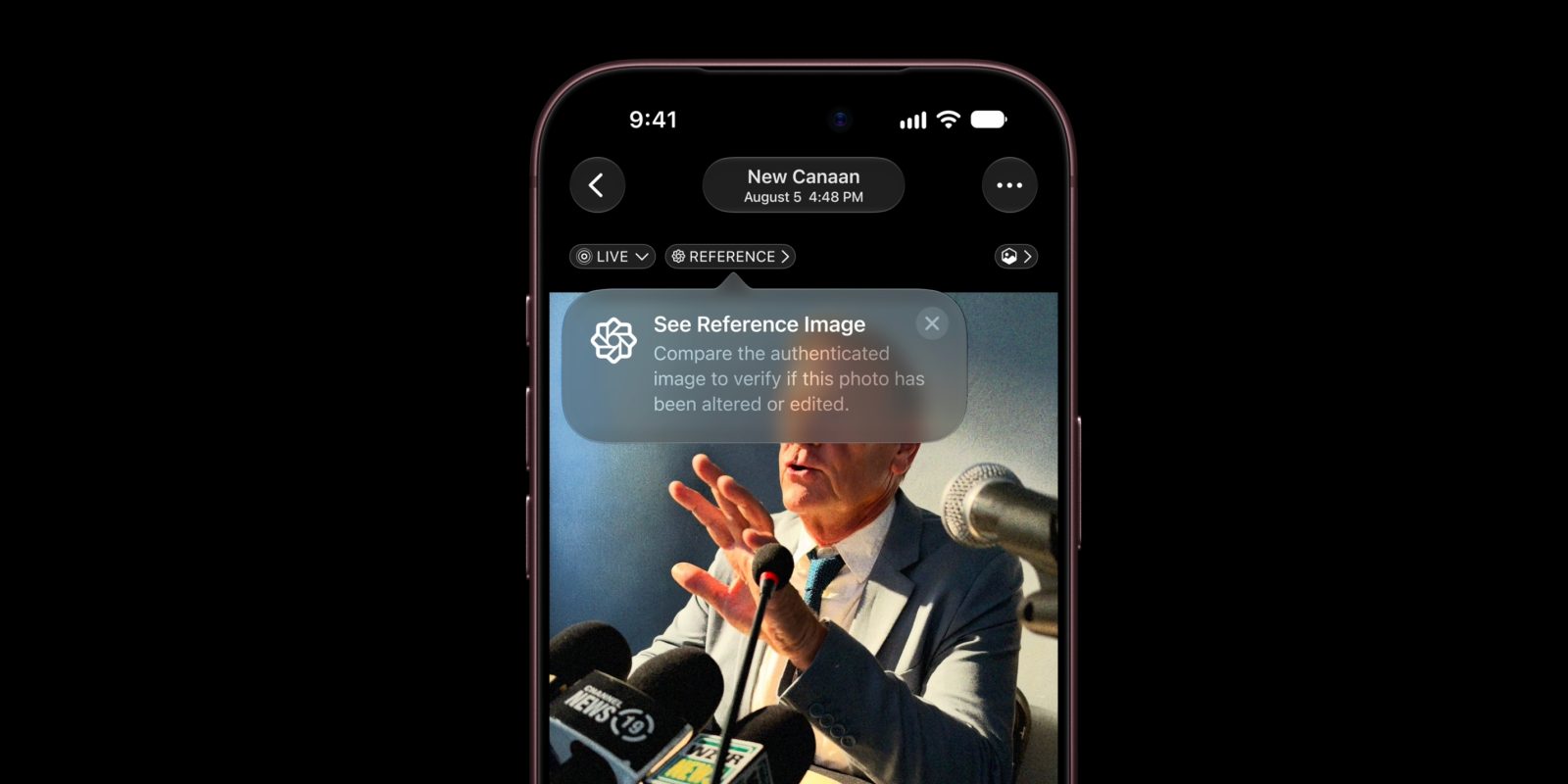
A new post on Apple’s Security Research blog details the fascinating tech, architecture, and thinking behind the iPhone 18 Pro’s new Reference Image camera mode. Here are the details
In a blog post titled “Apple Reference Image: A New Approach for Verified Photography,” Apple goes in-depth into how its new photographic authenticity system works.
The post confirms that the company’s motivation to build Apple Reference Image was the ever-lowering barrier to creating or adjusting images synthetically.
Apple explains that while industry standards such as C2PA help address the problem, they remain vulnerable to compromise at points in the editing chain.
For this reason, Apple developed a fascinatingly creative chain-of-verification system that is private, secure, and, to the company’s knowledge, “the only image provenance system that provides quantum-secure defenses.”
In its explanation, Apple uses classic photography terms, such as a secure digital negative, which contains the raw captured pixels along with information such as signed metadata and timestamps, and is developed in a secure, private, and verifiable environment within the company’s Private Cloud Compute structure.
This semantic authenticity is just one of the three core requirements Apple says a high-assurance photographic provenance system must meet, the other two being resilience to compromise and privacy preservation.
If Apple’s confidence scoring system identifies a sensor as low-scoring and that sensor is revoked, Private Cloud Compute will no longer sign Reference Images captured by it.
Likewise, individual Reference Images can be revoked if later determined to be fraudulent, with Apple devices regularly fetching updated revocation lists.
Another interesting aspect of the Apple Reference Image chain of trust is that it begins once a camera sensor is first initialized, during the iPhone’s manufacturing process.