// PC GAMER — GAMING
After 894 hours in Slay the Spire 2, these are our 12 strongest opinions
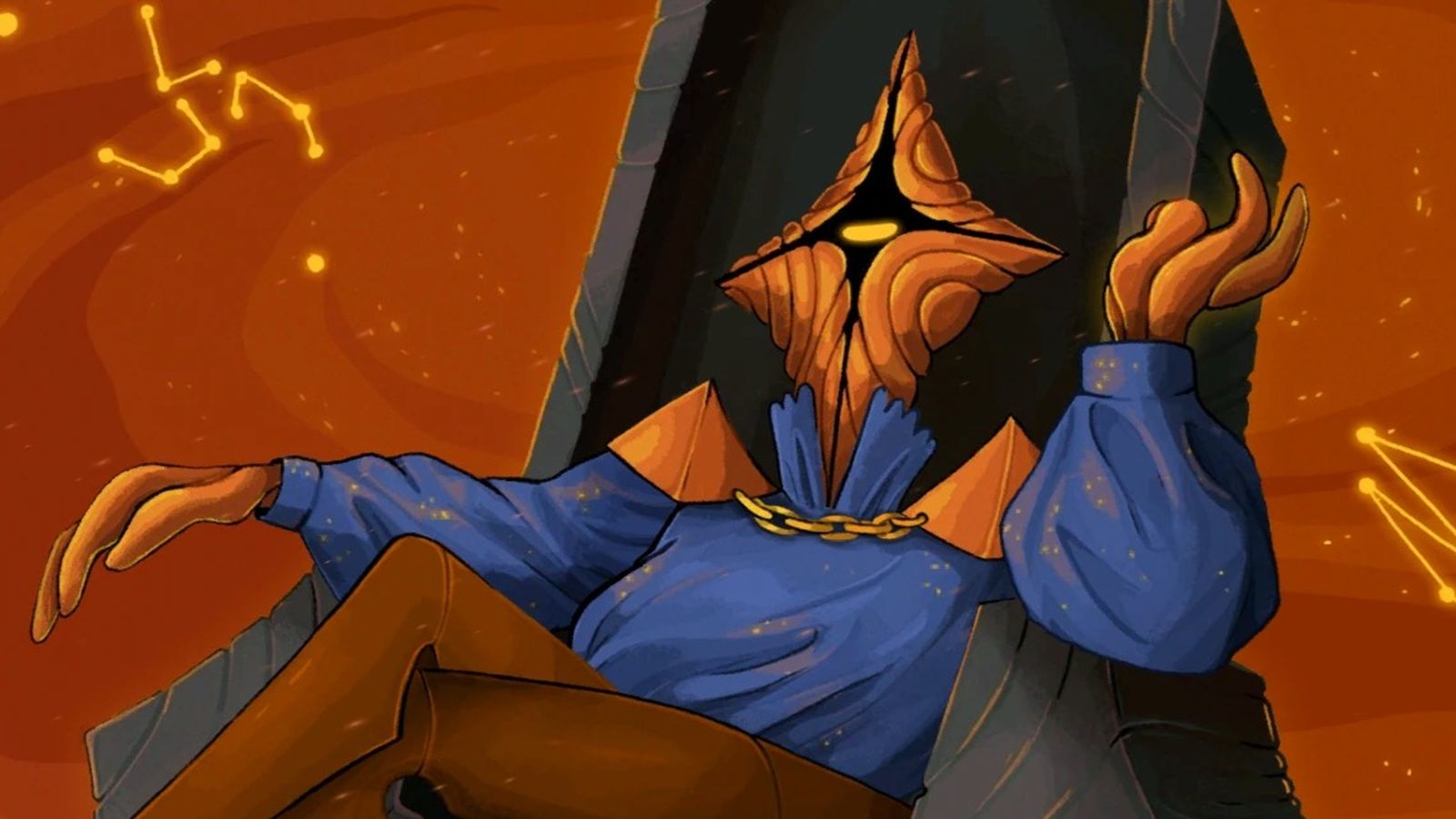
Our three editors have hundreds of runs in Slay the Spire 2. These are their verdicts after 6 months with the game.
When you purchase through links on our site, we may earn an affiliate commission. Here’s how it works.
Slay the Spire 2 isn't just one of the most popular new games of 2026, it's the most popular deckbuilder ever. 574,638 people were playing the game simultaneously at launch, which vaporizes the genre's record on Steam. It's the first mainstream-ish deckbuilder, and still the most-played card game on Steam by far (Magic: The Gathering Arena has about 1/7th as many people playing it on average).
With several months of time with its substantial early access release, we've brought together a panel of editors to share their sharpest thoughts on Slay the Spire 2's design, cards, best bits, and annoyances.
The easiest way to clear Act 1 reliably is just to rest at every opportunity. This is the main reason that the Miniature Tent relic is the absolute turbo nuts in Act 1 but just good later on. The entire act is a health check, throwing tons of unavoidable damage at you immediately and forcing you to either high-roll a monstrous build within 10 cards or top up for the HP tax of the final boss. Act 1 almost feels balanced around Ironclad, leaving the other characters to just take their lumps.
The current structure, especially in the godforsaken Overgrowth, sucks the life out of some of the most enjoyable early decisions in Slay and reinforces the snowballing nature of the game. Aggressive pathing and drafting are not even worth thinking about a lot of the time. If you don't spike within the first five floors—something like Cursed Pearl into a fat shop or Silken Tress handing you an "I win" card—you're usually in for a tame Act of conservative plays. If you do roll high out of the gate, the Act just becomes a stomp.
All of this skews Neow relics toward explosive options like Silver Crucible, and it results in a lot of dull or short runs. There's just too much mandatory damage. I'd like to see some difficulty cut out of Act 1 and injected into Act 3. More runs would actually get off the ground, more meaningful decisions would be on the table in Act 1, and there'd be a bigger challenge to measure decks against. —Austin Wood, senior writer at GamesRadar+
Shiv and sly showcase the simple delight of Slay the Spire 2: playing lots of cards and getting stuff for free. It's meaningful that this Toyota Camry of a build can produce wins on Ascension 10, mostly thanks to the long list of relic synergies it has. Shiv, by itself, combos with Shuriken, Helical Dart, Ornamental Fan, Kusarigama, Letter Opener, Nunchaku, Pen Nib, Cloak Clasp, and Kunai. Grab a couple of these, and playing three or four Shivs amps your strength or dexterity, and doles out bonus damage or block. It's the joy of low input, high output: the same feeling of a single click in Peggle that translates to a cascade of points and particle effects.
Sly is a likewise straightforward "something for nothing" mechanic. In a game where energy management is generally a resource-pinching puzzle, sly lets you cheat, playing a dozen cards in a single turn. The Act 3 boss Aeonglass punishes you for being too all-in on shiv, but sly is a solution to the curses it litters your deck with. —Evan Lahti, Strategic Director
Keep up to date with the most important stories and the best deals, as picked by the PC Gamer team.