// ENGADGET — HARDWARE & GADGET
Oura Ring 5 review: Size is everything
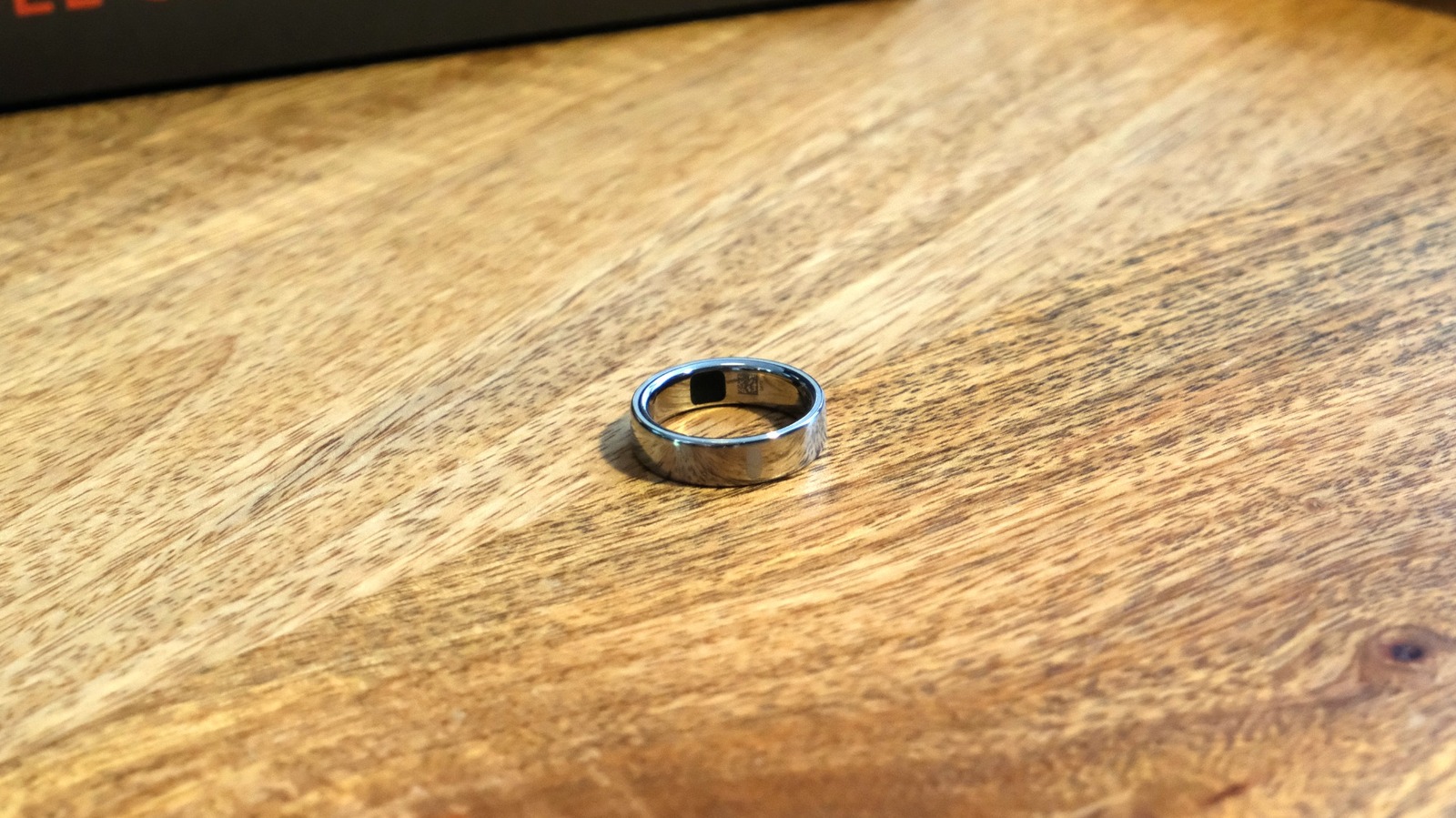
Sometimes, the biggest and most notable achievement is also the thing expected to pass unnoticed. The Oura Ring 5 is dramatically smaller than its predecessor without any real compromise to its performance. Battery life is improved, up to a full week on a single charge, despite less room for a power cell. On one hand, it's more or less the same ring I reviewed a year ago in a vastly smaller package, but let's not undersell that achievement.
The Oura Ring 5 is 40 percent smaller than its predecessor, a feat that shocked even me when I was first told. Yes, gadgets tend to get smaller, but smart rings were already tiny, and it's a flex to get the size down by that much. The company deserves its flowers for the scale of such a task, especially since it came without compromises on battery life and performance. Naturally, the target market is all those people who love the idea of a smart ring, but found existing models too hefty for their dainty digits. The 5 still isn't likely to pass for a regular ring, but it's far less obviously a smart ring than the 4, and I doubt people will notice it on your hand.
Features-wise, there's not much here to talk about. Not because Oura was lazy, but because there are no new features to add. Without a dramatic shift in medicine or physics, there are no new sensors you can add to a tracker that offer more insights than what we presently have available. It's clear Oura felt the same, which is why it pivoted to shrinking its existing package by such a degree. And most of the changes that stem from that decision aren't too noticeable unless you review wearables for a living, so I won't bore you with them here.
As usual, the Ring 5 ships with a wireless charging plate which you'll be tasked with plonking your ring on once a week or so. For an additional $99, the company will also sell you a travel case capable of holding five additional charges. I've never understood the appeal of such a case in this context, however, given the Oura charging plate is already pretty small. I've taken Oura chargers on trips across the Atlantic for years, and never once thought "gee, this tiny doodad is too unwieldy."
Like its predecessors, the Oura Ring 5 monitors your activity, heart rate and temperature, crunching the numbers to offer insights on your health. Its app boils down your metrics to a series of scores (out of 100), keeping you appraised on how well you're doing. Open it up and you'll get a glanceable picture of how rested you are, how much you've moved and how relaxed you are. Below that, about half of your screen's real estate will be taken up with a single item you need to focus on — if the system thinks you're too tired or stressed, for example, it'll show you.
These metrics aren't tied to your vital statistics in the way you may think or expect, which can sometimes give odd results. For instance, the recent UK heatwaves meant I had a night sleeplessly laying in bed, but the next day I got a sleep score of 84. But the ring knew I was struggling, and gave me a Readiness score of 56 thanks to my elevated resting heart rate and lowered heart rate variability. This is because the Sleep score doesn't measure how well you sleep, but how well structured your sleep is — go to bed and wake up on time, and you'll get praise.
Unfortunately, Oura's interesting new features aren't yet available to test here in the UK, including Health Radar. It's an evolution of the company's Symptom Radar, which keeps an eye on trends to act as an early warning system for any impending issues. Health Radar keeps watch on the longer term picture, including monitoring your blood pressure and breathing at night. The ring can't actually measure your blood pressure, it's algorithmically derived from the signals it already collects. For instance, it'll use the optical heart rate sensor while you're sleeping to examine your pulse wave velocity, and make an inference from there. Similarly to Health Radar, Health Records and GLP-1 insig