// ARS TECHNICA — MOBILE & WEB
Kalshi sues Illinois over new tax on prediction market sports bets
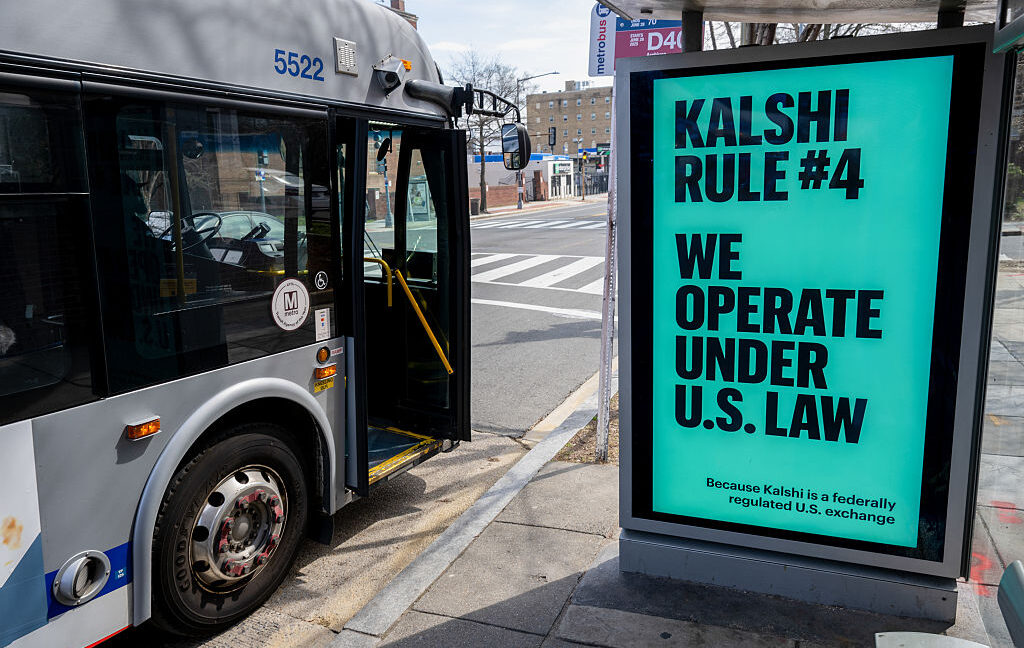
Illinois now a key battleground in fight over prediction market sports bets.
A fight between states and the federal government over who should regulate sports betting is heating up, as states accuse prediction markets like Kalshi of taking the exact same sports bets as gambling platforms without paying taxes or adhering to stricter controls.
Last Tuesday, Kalshi sued Illinois Attorney General Kwame Raoul, Governor J.B. Pritzker, and other officials after the state classified Kalshi and other prediction markets as unlicensed sports wagering operators.
It’s not the first legal battle between a prediction market and a state, but it is perhaps the most urgent for Kalshi, which is the biggest prediction market for sports bets. Across the board, prediction markets just had their biggest week ever, amid major sporting events like the NBA Finals, the World Cup, and the Stanley Cup. If the law stands, Kalshi would owe taxes no other state is charging and could face felony charges if violations are found.
For Illinois, regulating prediction markets has fast become a priority. Kalshi’s lawsuit came after Illinois logged its most devastating year of legal sports betting losses on record in 2025, when residents lost close to $1.5 billion, the Daily Herald reported. And it’s not just existing exchanges that could siphon more losses off residents. As Meta toys with building a similar sport-wagering platform that could one day accept real money and plug into its vast social networks, it seems likely Illinois is hoping to get ahead on regulatory plans before such betting becomes even more popular and normalized.
Moving to regulate more sports betting in the state, Illinois passed a law adding new taxes specifically on sports betting conducted on prediction markets. Starting July 1, Kalshi would have owed a 1.75 percent tax on the first 5 million sports wagers per fiscal year, then a 3.5 percent tax on every subsequent wager.
Additionally, getting the state license would have cost Kalshi $15 million for the first four years, then $1 million annually. Kalshi—valued at $22 billion—considers the license too “costly and burdensome,” the complaint said.
Specifically, Kalshi sued to block Illinois from requiring the platform to obtain the expensive sports betting license, verify that bettors are located in the state, and pay additional taxes.
The company has alleged that states like Illinois are overstepping in attempting to regulate prediction markets as if they were sports wagering operators. Instead, a federal agency, the Commodity Futures Trading Commission (CFTC), has exclusive authority to regulate Kalshi, the platform argued.
Further, Kalshi alleged that complying with Illinois law and restricting residents there would violate the CFTC’s requirements to provide uniform access nationwide to its platform.