// PC GAMER — GAMING
AMD's next-gen Zen 6 CPU cores will come in a low-power compact flavour, which should help laptop batteries last even longer
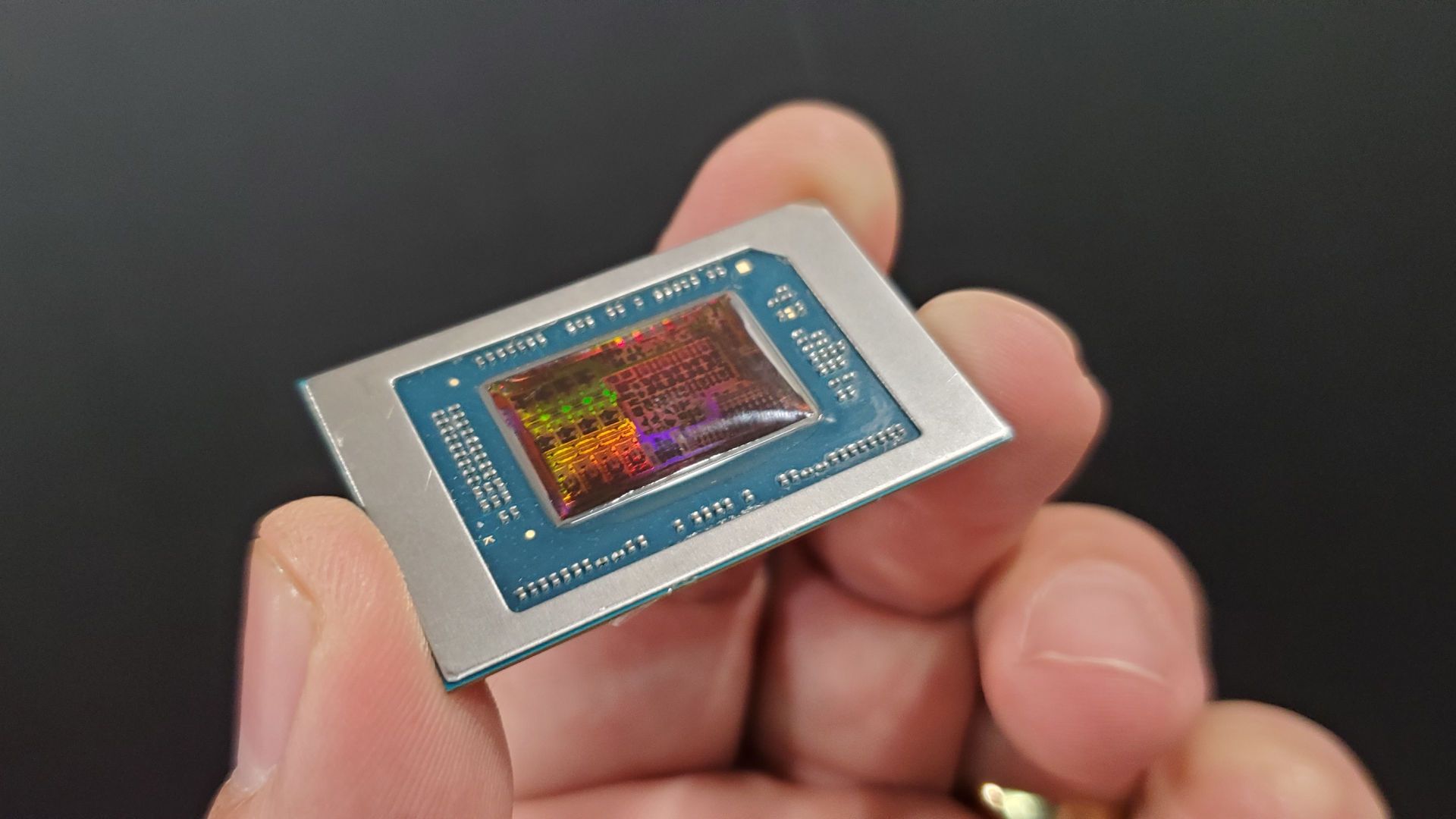
Intel's Panther Lake has similar LPE cores, and they work a treat.
When you purchase through links on our site, we may earn an affiliate commission. Here’s how it works.
Three years ago, AMD introduced a new type of CPU core for its Zen 4 microarchitecture. The idea behind them was to reduce the amount of die space taken up by a regular core, so that more of them could be packed into a chiplet. The compact design is now a staple part of the Zen family, but it turns out that Team Red has another one on the way for Zen 6.
As reported by Phoronix, a Linux kernel update has been submitted by AMD, with the notes in the kernel mailing list neatly explaining what the new code is for. "This series extends the x86 topology cpu_type classification to support a Low Power core type, in addition to the existing Performance and Efficiency types."
Now, it's worth noting that what AMD calls Performance and Efficiency isn't the same as Intel's terminology. In the case of the former, Performance core types are just your regular Zen blocks: these are the biggest, in terms of die size, and have the highest boost clocks. The Efficiency types are the compact cores (i.e. Zen 4c, Zen 5c), which work exactly like the normal ones, but are smaller in size, often with less L3 cache, and have lower boost clocks.
As for the upcoming Low Power cores, AMD's Vishal Badole writes: "AMD heterogeneous parts report the core type via CPUID Fn0x80000026 EBX[31:28] (Extended CPU Topology, Core Type). Value 2 identifies a low-power core designed for minimal power consumption during background or idle workloads."
That's very similar to Intel's LPE cores (Low Power Efficiency) that you'll find in its current Panther Lake chips. These are simply E-core clusters that have been tuned to run with a very low power limit, though their boost clocks are only fractionally (100 MHz) down on the regular E-cores.
However, where AMD's Zen cores all have the same architecture and instruction set, Intel's P- and E-cores are internally quite different. That makes it a bit harder for the chip and operating system to schedule threads correctly, but both configurations rely on a variety of systems and techniques to ensure that low-performance or background task threads are issued to Efficiency cores, with the more demanding ones being sent to Performance cores.
Since there are no Zen 5LP cores in any Ryzen, Threadripper, or Epyc product, it's clear that AMD intends to announce them as part of its Zen 6 launch (though perhaps not immediately). It's also clear as to which product family they'll appear in, and it's Ryzen chips for mobile/low power platforms (i.e APUs).
Keep up to date with the most important stories and the best deals, as picked by the PC Gamer team.