// SPACE.COM — SPAZIO & SCIENZA
'Titan is actually a very reasonable destination for humans': Scientists start mapping out crewed mission to huge Saturn moon
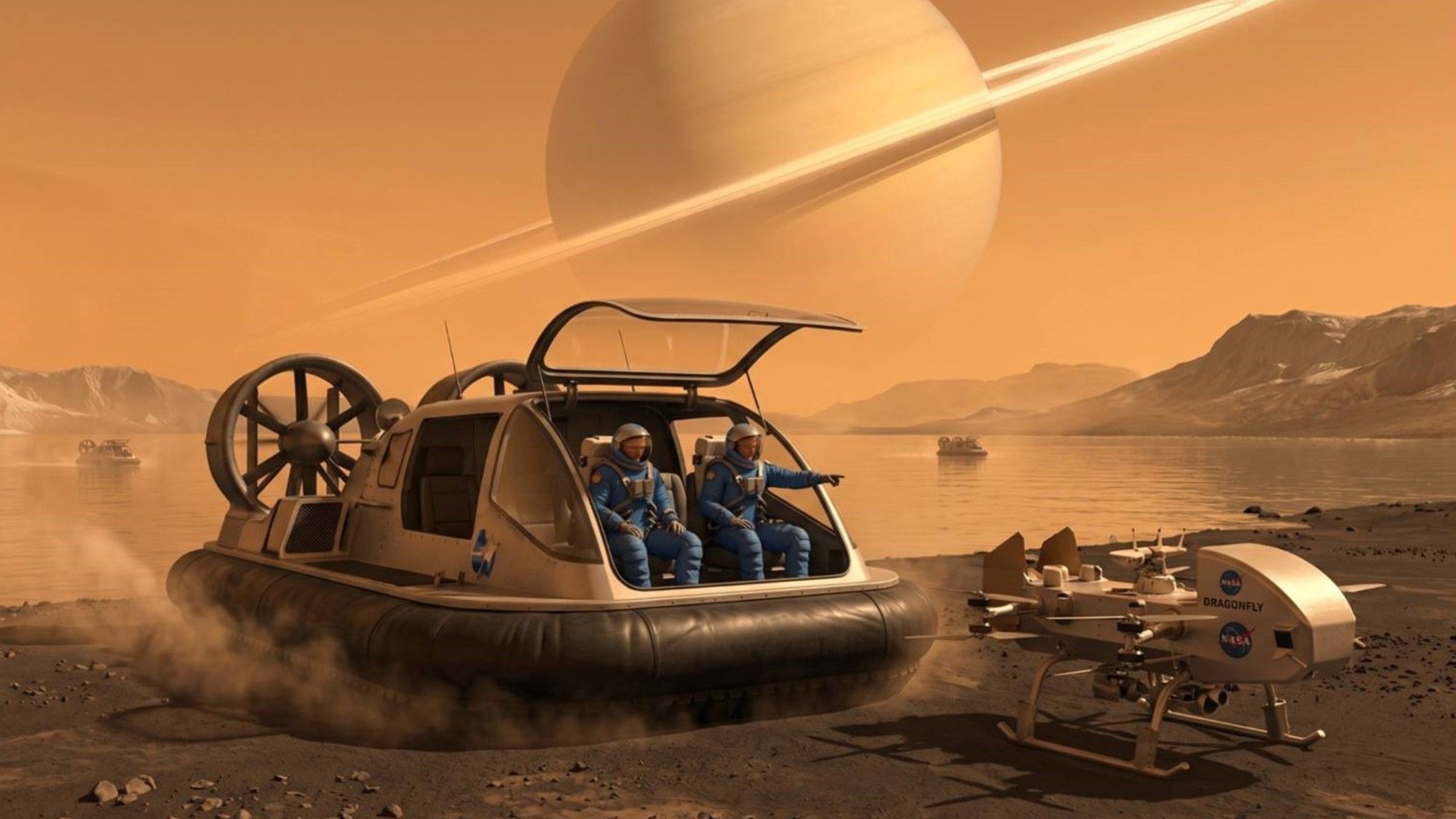
"Human exploration of Titan is not a question of physics. It is a question of time, technology and commitment."
When you purchase through links on our site, we may earn an affiliate commission. Here’s how it works.
BOULDER, Colorado — After Earth's moon and Mars, where could humans plant their footprints?
The "Humans to Titan Summit 2026" was held here on June 11 and June 12 to explore the concept of Titan, the largest moon of Saturn, as the next human exploration destination, post-Mars.
Researchers looked into how demanding such a trek could be and what would be required to make it, along with next steps to further that ambitious goal.
As a first-of-its-kind gathering of experts, the Humans to Titan Summit 2026 was invigorating, taking seriously the prospect of one day sending humans to Titan, said Amanda Hendrix, director of the Planetary Science Institute, which is headquartered in Tucson, Arizona.
Hendrix is also president of the advocacy group Explore Titan and co-author of "Beyond Earth: Our Path to a New Home in the Planets" (Pantheon Books, 2016).
"Everyone recognizes that the reality of this is a long way off," Hendrix told Space.com, "but normalizing the idea — that Titan is actually a very reasonable destination for humans — is important."
Taking this goal seriously means that "we can have a next destination in our minds, after Mars," she added. "That keeps the momentum going."
The assembly of experts explored an array of Titan topics, from spacesuits and modes of transportation, habitat designs and airlock concepts to light levels and possible encounters with monsoons and floods on the frigid, exotic moon, which has a weather system based on hydrocarbons rather than water.