// SPACE.COM — SPAZIO & SCIENZA
America 250: How has telescope technology evolved since the dawn of the U.S.?
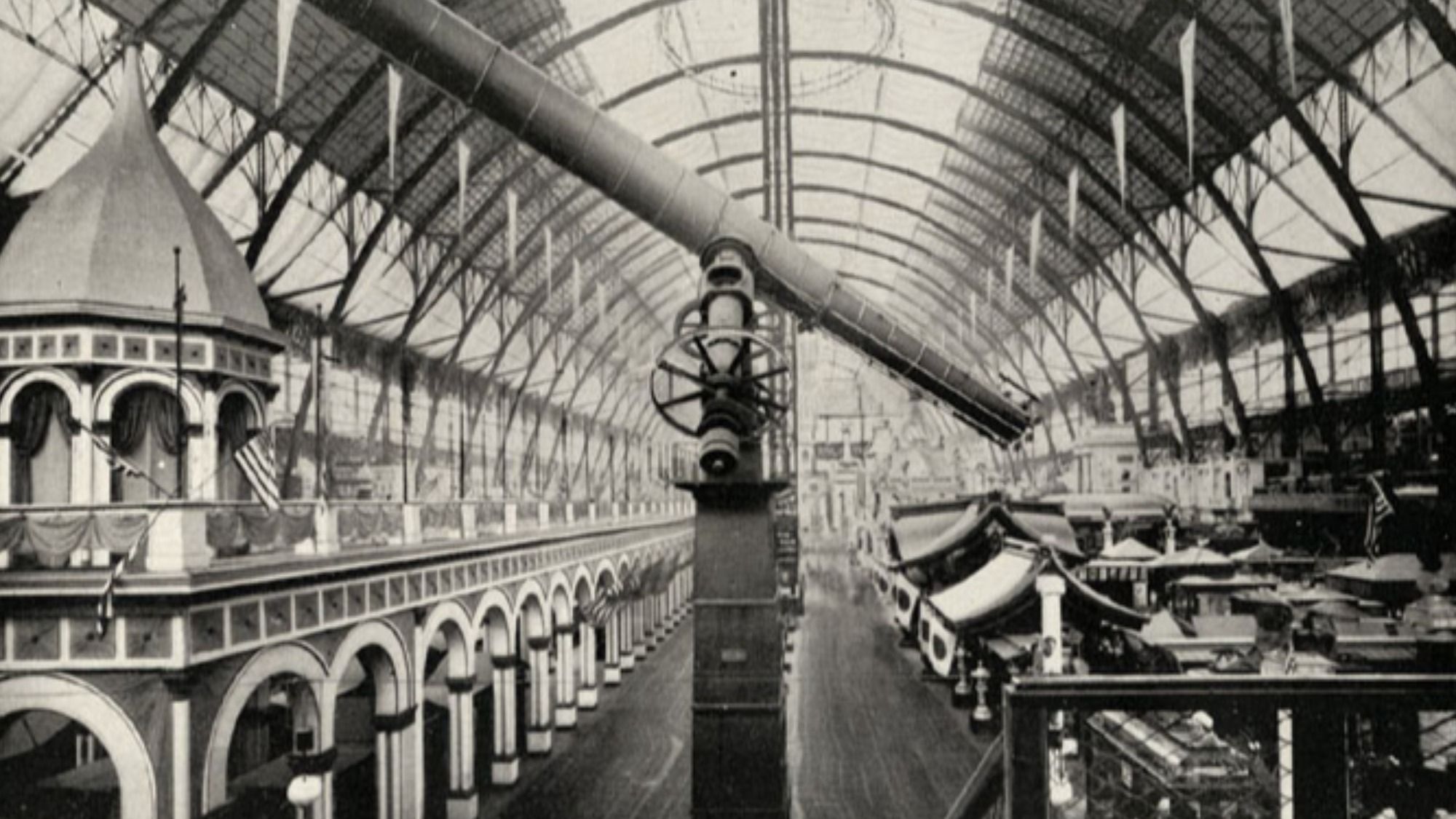
From mountaintops to space itself, the progression of telescope technology has been on the up for 250 years.
When you purchase through links on our site, we may earn an affiliate commission. Here’s how it works.
The past 250 years of optical telescopes have seen revolutionary discoveries and technology that the telescope's inventor, a seventeenth century spectacle-maker by the name of Hans Lippershey, maybe wouldn't have believed possible.
When we look back through the annals of telescope history, we find that a significant turning point came, coincidentally, just five years after the United States' Declaration of Independence was christened.
It was back in England, in 1781. William Herschel had just made what was possibly the greatest astronomical discovery the world had seen up to that point: a new planet, Uranus. The fact that Herschel had found a seventh planet from the sun was revolutionary in itself. All the other planets, from Mercury to Saturn, had been known since antiquity, obvious in the night sky to the naked eye.
Uranus, on the other hand, isn't really visible without optical aid, and its discovery illustrated the power of the telescope to dramatically widen our vistas. Moreover, Herschel found the new planet using a 6.2-inch (157-millimeter) reflecting telescope that he had constructed himself. He was looking through it from the back garden of his home in the Somerset city of Bath.
Herschel was a prolific builder of telescopes, polishing and shaping their speculum mirrors. The 6.2-inch telescope was a midget compared to some of his other beasts, including the famous discovery machine that was the 20-foot, or -meter, in focal length telescope with its 18-inch (457-mm) aperture, and the less successful 40-foot (12-meter) telescope.
Herschel proved that telescopes could do serious science. "As a self-taught astronomer, William Herschel transformed the reflecting telescope from what had generally been thought of as a scientific toy into a serious scientific tool," British science historian Robert Smith of the University of Alberta in Canada told Space.com. "At the root of all Herschel's efforts is his telescope building, because he had to build these big telescopes himself."
Telescopes come in two main forms: the reflector and the refractor.
Reflectors use mirrors to reflect light to a focal point where the eyepiece is located; refractors use lenses to focus light. In the 18th and 19th centuries, British reflectors like Herschel's were the dominant telescope category, as exemplified by those constructed by the likes of Liverpool's William Lassell and Ireland's Third Earl of Rosse, William Parsons. However, across the English Channel in mainland Europe, refractors, which at the time were optically higher quality, were dominant instead.