// SPACE.COM — SPAZIO & SCIENZA
July full moon 2026: When, where and how to see the Buck Moon
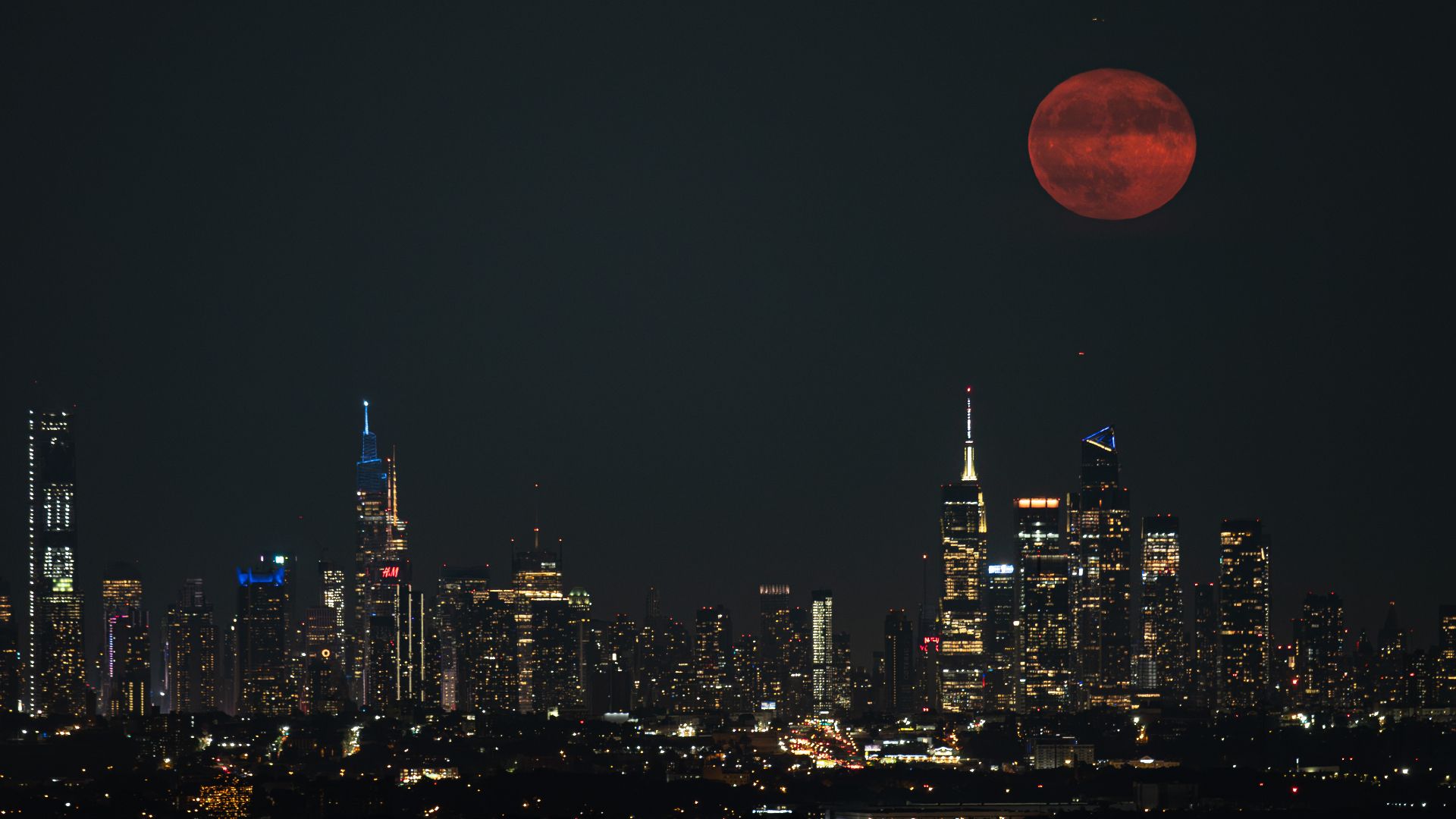
Your guide to July's full Buck Moon, from peak times to skywatching highlights.
When you purchase through links on our site, we may earn an affiliate commission. Here’s how it works.
The July full moon occurs at 10:36 a.m. EDT (1436 GMT) on July 29, when the lunar disk appears fully lit as it shines opposite the sun in Earth's sky.
The July full moon is often called the "Buck Moon", to reflect the time of the year when young male deer grow out their antlers in the northern hemisphere and is the first full moon of summer, occurring soon after the 2026 summer solstice.
Look to the east at sunset on July 29 to catch the full Buck Moon as it climbs silently into the early summer sky, veiling the nearby stars of the constellation Capricornus behind the glare of its moonlight.
You may notice the lunar disk appear particularly large in the hour following moonrise. This phenomenon is known as the "Moon Illusion", wherein our brains trick us into thinking an object in the sky is bigger than it really is as it rests low on the horizon, with objects nearby to provide context.
Earth's moon could also take on an eye-catching yellow-orange color while close to the horizon, as an effect called Rayleigh scattering deflects the blue wavelengths of its light, while allowing the longer red wavelengths to travel through the atmosphere more easily.
The table below displays local full moon timings for when the moon is 100% illuminated for a selection of cities spread across the globe (note local moonrise and moonset times will vary depending on your location):
July's full moon is also called the Buck Moon by some Native American tribes in reference to the furry antlers that grow from the heads of young deer around the time it rises. The Algonquin people also called it the Raspberry moon, evoking the fruit that ripens around that time in North America, while the Cree knew it as the Feather Moulting Moon, according to the Old Farmer's Almanac.
It is also known as the Thunder Moon, to reflect the intense storms that can arise in the hot summer months. European peoples, like the Anglo-Saxons, had their own traditional names for the occasion, linking it to the harvest time by referring to it as the Hay Moon, or Corn Moon, according to the Royal Museums Greenwich.