// PC GAMER — GAMING
Despite calling Grand Theft Auto 'a videogame franchise built around criminal activity,' Miami-Dade sheriff isn't mad about the NBA's 'Vice City' transformation
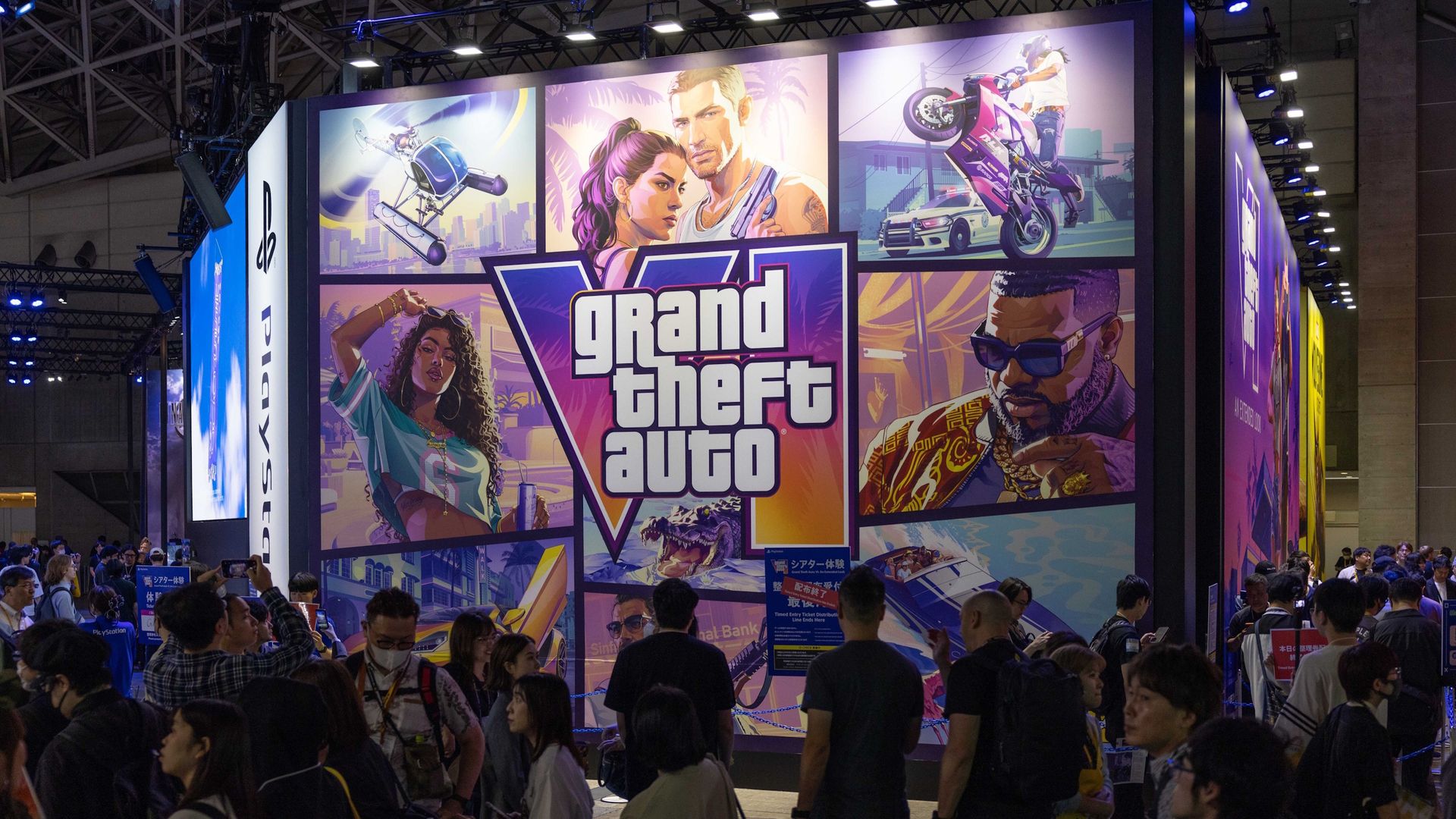
Sheriff Rosie Cordero-Stutz says her strong stance against the GTA 6 promotional collaboration was only about "publicly owned facilities and infrastructure."
When you purchase through links on our site, we may earn an affiliate commission. Here’s how it works.
"Grand Theft Auto is a videogame franchise built around criminal activity. Its fictional world includes murder, robbery, drug trafficking, carjacking, violence against law enforcement, and other conduct that the men and women of the Miami-Dade Sheriff’s Office work every single day to prevent."
"Sheriff Cordero-Stutz’s comments focused on the proposed use of publicly owned facilities and infrastructure, including public transportation, transit stations, and Miami International Airport, to promote Grand Theft Auto 6. Her concerns addressed the message conveyed through the use of these public assets. Those comments were not directed at promotional decisions by private businesses or organizations."
Vice City and Leonida, the fictional city and state that serve as the setting for Grand Theft Auto 6, are largely based on Miami and the state of Florida, and Rockstar and publisher Take-Two Interactive are moving heavy and hard to leverage that real-life inspiration to promote GTA 6 as its console release gets closer.
The sheriff made no bones about her position on the matter when the proposed partnership came to light in September, however, characterizing the game as exactly the sort of thing Miami-Dade shouldn't associate with.
"Grand Theft Auto is a videogame franchise built around criminal activity," Cordero-Stutz said at the time. "Its fictional world includes murder, robbery, drug trafficking, carjacking, violence against law enforcement, and other conduct that the men and women of the Miami-Dade Sheriff’s Office work every single day to prevent."
It was a hard line in the sand, but it didn't add up to much. Despite some opposition from local positions, much of it predicated on similar law-and-order concerns, those PR campaigns have moved ahead. The City of Miami Beach voted in September to approve a 'discreet' campaign, for instance, while the Kaseya Center, a downtown arena in Miami that serves as home of the NBA's Miami Heat, took a rather less subtle approach, erecting a massive "Welcome to Vice City" sign on its roof that can be seen by travellers flying into Miami International Airport.
The Kaseya Center campaign became even more prominent in October when the Heat, one of the NBA's highest-profile teams, became directly involved via the Night in Vice City campaign, a one-night-only promotion that will see both the arena and the team rebranded in Vice City livery. It is, as former US President Joe Biden once said, "a big fuckin' deal."
(It also revealed that our UK team does not know ball, but that's a whole different kind of problem.)