// KOTAKU — GAMING
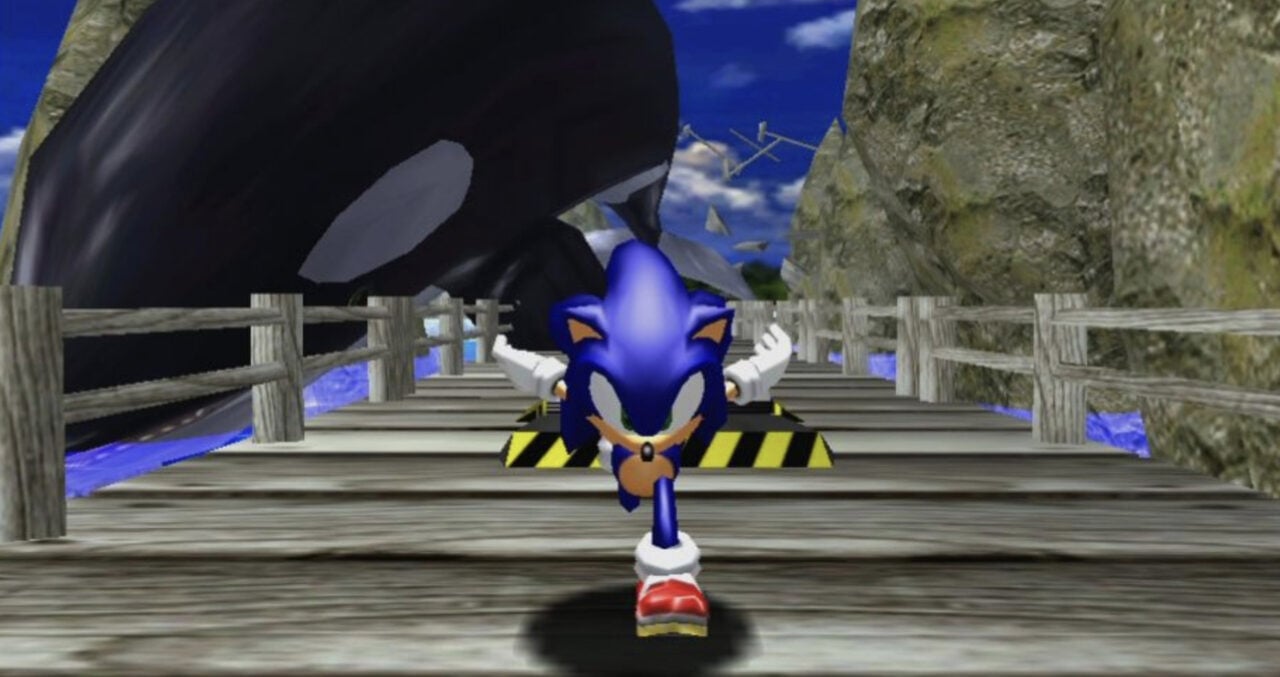
Sonic Adventure Devs Explain Why It Was The Hardest Game In The Series To Make
Game DevelopmentSegaSonic AdventureSonic The Hedgehog
Takashi Iizuka, Kazayuki Hoshino, and Jun Senoue, three prominent members of Sega’s Sonic Team, sat down with Continue magazine in Japan to discuss the 35th anniversary of Sonic the Hedgehog, during which they shared experiences on developing various games throughout the franchise’s history. They said that the original Sonic Adventure was perhaps the most difficult to put together, while also citing challenges with developing a few of the more recent titles in the franchise.
Asked which of the games across the history of Sonic left the deepest impression, Iizuka, the current head of Sonic Team, said, “Because I wrote the specifications and worked on the development staff for the game, I would have to say Sonic Adventure left the biggest impression on me. However, that first game, rather than being fun, I remember it being a very difficult development. Sonic Adventure 2 was a lot more enjoyable.”
Senoue, composer and sound director for Sonic Team, concurred, adding, “We started work on that game in 1997, and I’d never experienced anything like the volume of work that game took before then. We developed stories for six characters, plus the Chao and Chao Garden, and worked on the field music. Then we had voice acting. That was something I wasn’t familiar with at the time, so having to manage everything was quite challenging.”
Until they actually tried to bring Sonic into 3D, Iizuka hadn’t realized how difficult it could be. “We first tried bringing Green Hill Zone into 3D, but just running around that wasn’t fun. We just didn’t know how to make it more interesting, so we ended up doing a lot of trial and error all the way through development. There weren’t any similar 3D games where you ran like this, so we didn’t know the answers either.”
While they did eventually find the answers, the team felt under a lot of pressure. Comparatively, when working on Sonic Adventure 2, things were a bit easier. That game was developed in the U.S. with team members living there during development, similar to the way that Sonic the Hedgehog 2 and 3 had been developed, and that led to sequences like City Escape being conceptualized and implemented into the sequel.
Sonic Adventure wasn’t the last 3D game to pose particular challenges in development, though. “One of the biggest challenges came with Sonic Frontiers,” admits Iizuka. “It was very similar to Sonic Adventure’s issues. The idea of running through a vast expanse was decided very quickly, but the challenge came in working out how you would have someone play in such an open space. All the previous Sonic games had a path you could follow. If you created a path for the player, you could easily create a fast and fun game. But with Sonic Frontiers, you were creating a game with a huge space and no single path to follow. We started that project without any answers on how to make this space exciting, which was in some ways similar to Sonic Adventure. We were looking for answers while we were making the game. It took till about the halfway point of development to find that answer, making it also an overall challenging project.”
While both Sonic Adventure and Sonic Frontiers were particularly challenging games to make, they also turned out to be two of the more successful games in the series. Jun Senoue also recalls that working on the music for Sonic Generations was quite difficult, and that was another critically and commercially acclaimed work. Though these were difficult projects, they were successful ones, remaining some of the most fondly remembered among series fans.
Don’t miss the latest reviews, news and tips. Sign up for our free newsletter.
The mod team is working overtime to rein in fans in its company-sanctioned forum