// NATURE NEWS — SPAZIO & SCIENZA
Women are talking about menopause — health systems must listen
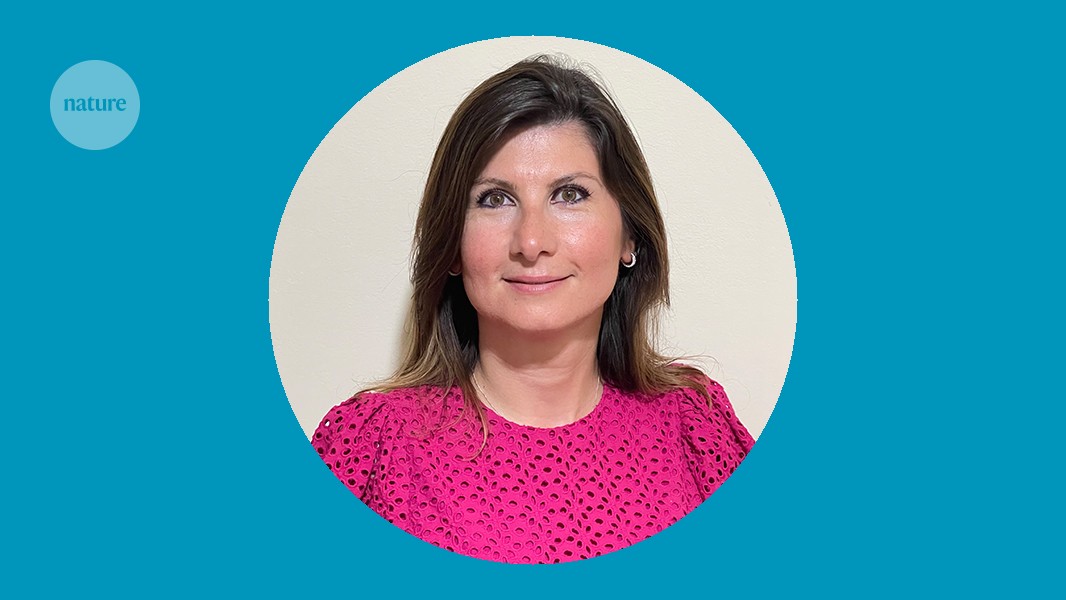
Hala Zahreddine Fahs is a senior consultant in drug discovery and development at New York University, New York City, USA, and a women’s health science communicator in Abu Dhabi, United Arab Emirates.
Search author on:
PubMed
Google Scholar
In Arabic, menopause is still commonly called sin al-ya’s, which translates as ‘the age of despair’. The term describes the end of menstruation as something to endure rather than to openly discuss.
Menopause research is underfunded and care for it is uneven across the world. In the Arab region, the problem is compounded by gaps in physicians’ training and the widespread belief that menopause is a private and natural transition that does not require medical intervention.
Things are slowly changing. Social media has helped to make discussions of menopause less taboo in Arab nations. Specialist services are beginning to emerge. Health systems must now capitalize on this growing awareness to provide better training, clear communication and accessible care.
The new science of menopause: these emerging therapies could change women’s health
Some Muslim people value their ability to fast and pray without interruption from menstruation, but poorly managed menopausal symptoms can disrupt individuals’ health, careers and ambitions. Yet efforts to improve care in Arab countries are constrained by a thin evidence base.
Take hormone replacement therapy (HRT), which can relieve menopause symptoms. Concerns about breast cancer became a barrier to its use after a broadly misinterpreted 2002 report linked the two (J. E. Rossouw et al. JAMA 288, 321–333; 2002). Nuanced conversations with physicians can help to weigh up the benefits and risks, which vary with the timing, formulation and route of treatment — but these are often lacking. And local data are sparse. A 2026 review of 22 Arab countries found only 15 studies of HRT use from seven countries (N. Al Zadjali et al. Front. Glob. Womens Health 7, 1722268; 2026).
Cultural and religious beliefs can contribute to concerns. As a researcher engaged in public-health communication across the Arab region, I’m often told ‘We were created this way, so why change what is natural?’ And women’s questions are often dismissed, or their disparate symptoms treated separately. A survey of 254 physicians across the Middle East and Africa found that fewer than 30% correctly identified the diagnostic criteria for menopause (S. A. Beshyah et al. Climacteric 26, 455–464; 2023).
I saw the consequences in my own family. For two decades, my mother experienced hot flushes that affected her work and quality of life, and later developed osteoporosis. Yet her symptoms were dismissed. I eventually turned to the scientific literature myself and questioned why HRT had not been discussed with her. No one should need to have a scientist in the family for their symptoms to be taken seriously.