// NASA BREAKING NEWS — SPAZIO & SCIENZA
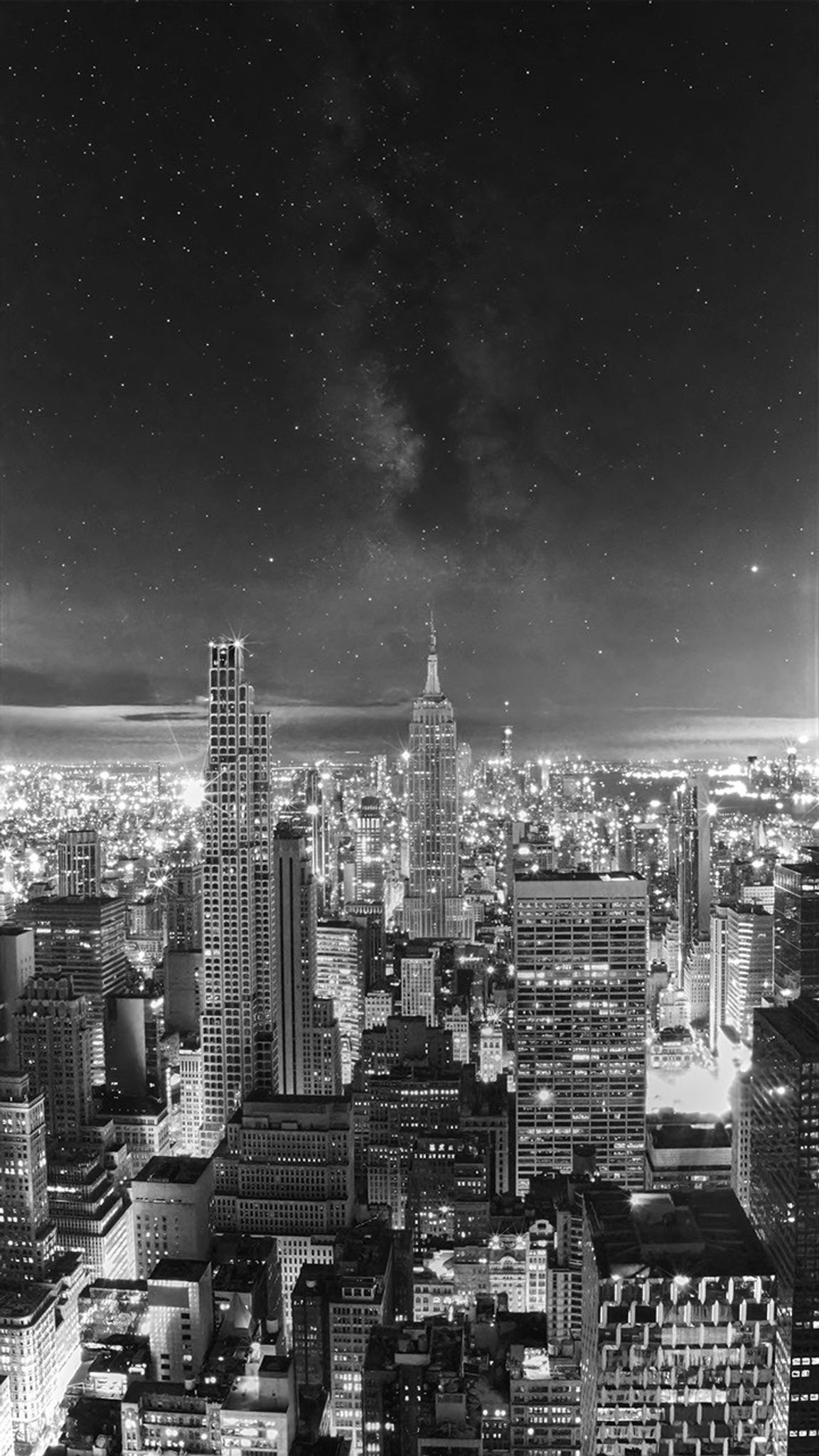
APOD: 2026 October 15 – The Milky Way over Manhattan
Discover the cosmos! Each day a different image or photograph of our fascinating universe is featured, along with a brief explanation written by a professional astronomer.
Explanation: The city lights outshine the stars in the City That Never Sleeps. Who would have thought that the Milky Way could be visible in this sky? This image was taken with a filter that blocks most visible light, capturing instead only light in the near-infrared region of the electromagnetic spectrum (with lower energy than visible light). The astrophotographer's clever setup blocks most of the light pollution from the city: old incandescent light bulbs and some neon lights are still bright in the near-infrared, but fluorescent and LED light bulbs are not. Of course, stars are also bright in the near-infrared! This image is a reminder that we all live under the same sky, and astronomy allows all of us to learn more about humanity's place in the Cosmos. Tomorrow's picture: Chasing the ISS
Discover the cosmos! Each day a different image or photograph of our fascinating universe is featured, along with a brief explanation written by a professional astronomer.
Explanation: The city lights outshine the stars in the City That Never Sleeps. Who would have thought that the Milky Way could be visible in this sky? This image was taken with a filter that blocks most visible light, capturing instead only light in the near-infrared region of the electromagnetic spectrum (with lower energy than visible light). The astrophotographer's clever setup blocks most of the light pollution from the city: old incandescent light bulbs and some neon lights are still bright in the near-infrared, but fluorescent and LED light bulbs are not. Of course, stars are also bright in the near-infrared! This image is a reminder that we all live under the same sky, and astronomy allows all of us to learn more about humanity's place in the Cosmos. Tomorrow's picture: Chasing the ISS