// TOM'S HARDWARE US — HARDWARE & GADGET
Google DeepMind claims four AI agents beat Minecraft in 27 hours by writing 2,783 programs of their own
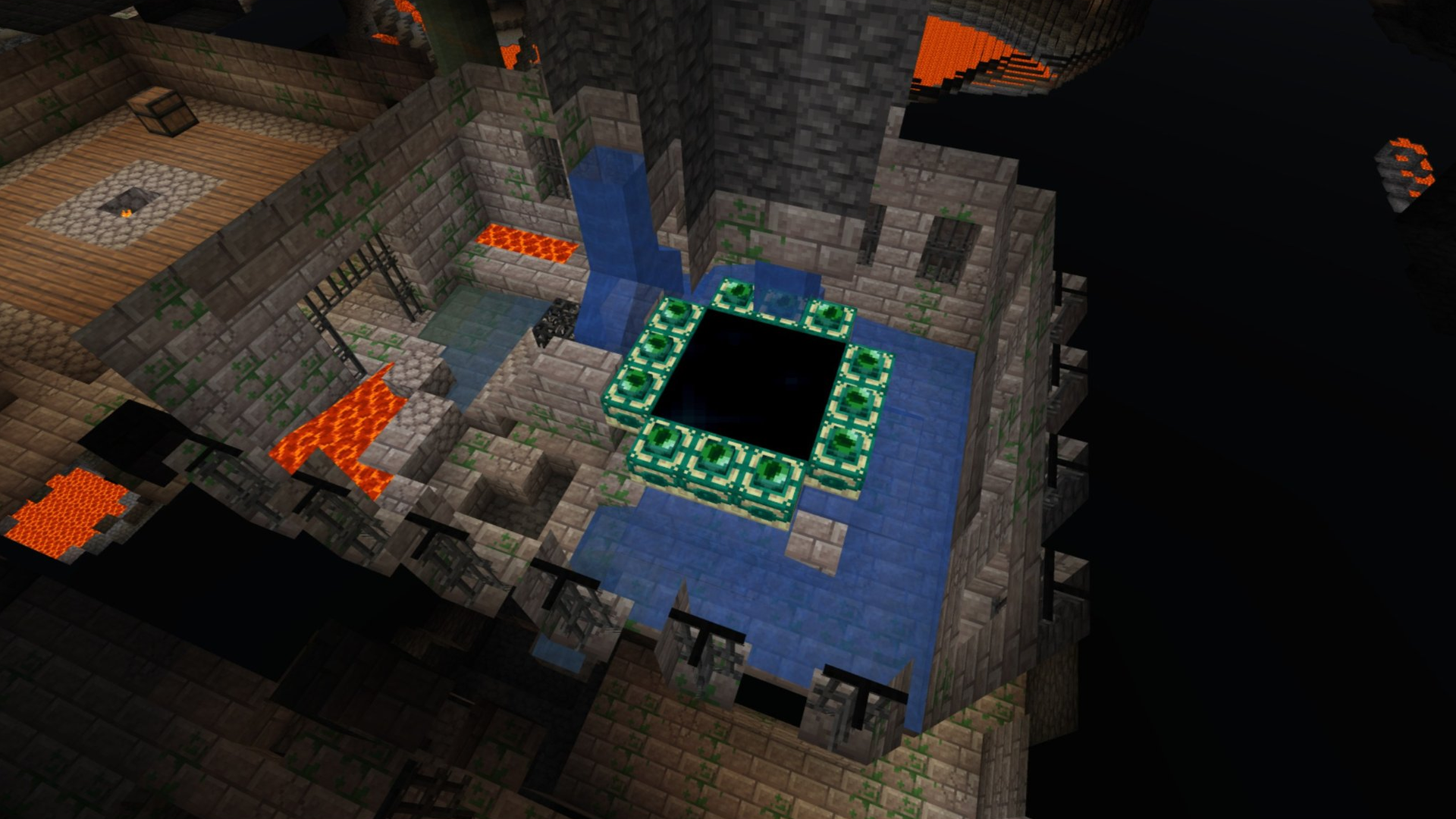
About half the run was spent fighting the dragon, solved by stacking dirt to reach its crystals.
When you purchase through links on our site, we may earn an affiliate commission. Here’s how it works.
The game of Minecraft is no match for a team of four Gemini 4 Argon agents, as they were able to defeat it in 27 hours with 2,783 self-written programs, a paper from Google DeepMind reveals. The agents did die 605 times, even on Easy, and about half the run was spent fighting the Ender Dragon, the final boss of the game. The run finally came to completion when the End was solved by stacking dirt to reach the boss’s crystals, at an estimated cost of around $520 in tokens.
The experimental run was designed from the get-go with one goal: kill the Ender Dragon. The playthrough involved a random, shared survival world on Easy with four agents — a fifth agent existed only for reporting — from Gemini 4 Argon, Google’s latest frontier model. Each agent had its own player through the open-source Mineflayer JavaScript library for Minecraft bots, but they were able to coordinate through in-game chat and shared notes. Every program used in the run was written by the agents themselves, and the emphasis is on coding and teamwork rather than game-playing.
The authors say this is the “first end-to-end autonomous completion of Minecraft by AI agents,” at least “to our knowledge,” qualified by the use of Mineflayer “without pre-scouted seeds or other game-specific tools written by humans.” Mineflayer tells the agents where blocks and creatures are, with a pathfinding plugin to plan routes. There was “no human input during the run” and “no one assigned roles or wrote game logic.” The run, starting with the first program and ending with the dragon's death, took 27 hours and 14 minutes.
Although the agents were not given roles, within about 10 minutes a division of labor was proposed in chat by bot janesick. Bot Auratian offered an alternative plan while Bot Gyldenia acknowledged it. The roles ended up being: Gyldenia for food, beds, and flint; Bulicame for diamonds; Janesick for iron and tools; Auratian for the Nether portal. Moments of losses, such as a Ghast fireball destroying dropped items, led the team to diagnose the cause and write rules to prevent it in the future.
Finding the stronghold involved janesick, who threw two Eyes of Ender from different spots and sampled each eye’s flight once every 50 ms, triangulating the location. Carrying the eyes involved its own dire moment when Auratian drowned during the task, but the spot was noted, and the eyes were rescued.
The eventual fight with the dragon led to 69 deaths, and the ten crystals kept regenerating the boss until Auratian discovered they could use dirt pillars to reach the crystals. Four hours and 40 minutes later, all ten crystals were downed, and the dragon was dead 39 minutes after that.
The agents operated by writing short JavaScript programs, almost 2,800 in total, with 42 helper functions kept alive between programs, while a Mineflayer bot ran them in the shared world. Text was returned with status data, not pictures. This is a shared approach to the non-screenshot GPT-6 Astra clear of the Orc starting zone in World of Warcraft earlier this month. AI agents playing games is an ongoing trend, with Pokémon Red probably being the most popular, a game defeated in multiple ways, including with a Jev decision model layer.
Get Tom's Hardware's best news and in-depth reviews, straight to your inbox.