// NATURE NEWS — SPAZIO & SCIENZA
It’s time to teach peer review as a core research skill
Pailin Chiaranunt is in the departments of psychiatry and laboratory medicine at the University of California, San Francisco.
Search author on:
PubMed
Google Scholar
Amy C. Fan is in the Department of Pathology at the University of California, San Francisco.
Search author on:
PubMed
Google Scholar
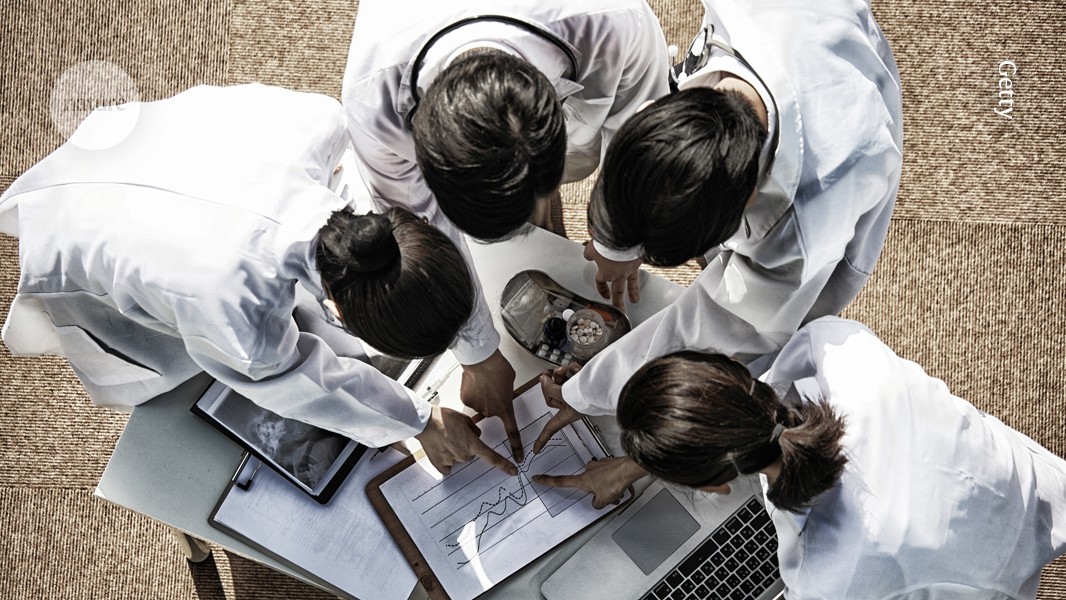
Despite being a crucial part of science, peer review often isn’t included in university curricula.Credit: Getty
The rapidly growing volume of academic papers is outpacing the scientific community’s ability to critically evaluate them. This makes it increasingly important to equip the next generation of researchers with the skills that they need to become peer reviewers.
But formal curricula rarely include these skills. Universities invest years in teaching students how to design experiments and analyse data, but leave peer-review training mostly to informal mentorship.
So, how do early-career researchers — especially students and postdocs — learn to develop a critical eye?
Preprints offer a valuable opportunity for trainees to practise reviewing manuscripts outside the formal journal-review process, and several initiatives have been established with this in mind.
PREreview, for example, is a platform on which researchers can openly review and discuss preprints. And Preprint Club, a cross-institutional journal club run by an international group of universities, allows early-career researchers to select manuscripts for discussion so that they can learn from experience alongside their peers, more-senior researchers and faculty mentors.