// SPACE.COM — SPAZIO & SCIENZA
'As terrible and harrowing as things were, people just had to get on with it': 'Star City's' Ruby Ashbourne Serkis and Adam Nagaitis on learning to love the Motherland in Apple TV's soviet space race spin-off (interview)
'I think it’s a really interesting environment to delve into. Ultimately, it's a culture of survival.'
When you purchase through links on our site, we may earn an affiliate commission. Here’s how it works.
The titular cosmonaut training facility in Apple TV's "Star City" is a hive of duplicity, all scrutinized by the KGB's surveillance team and its small army of monitoring minions.
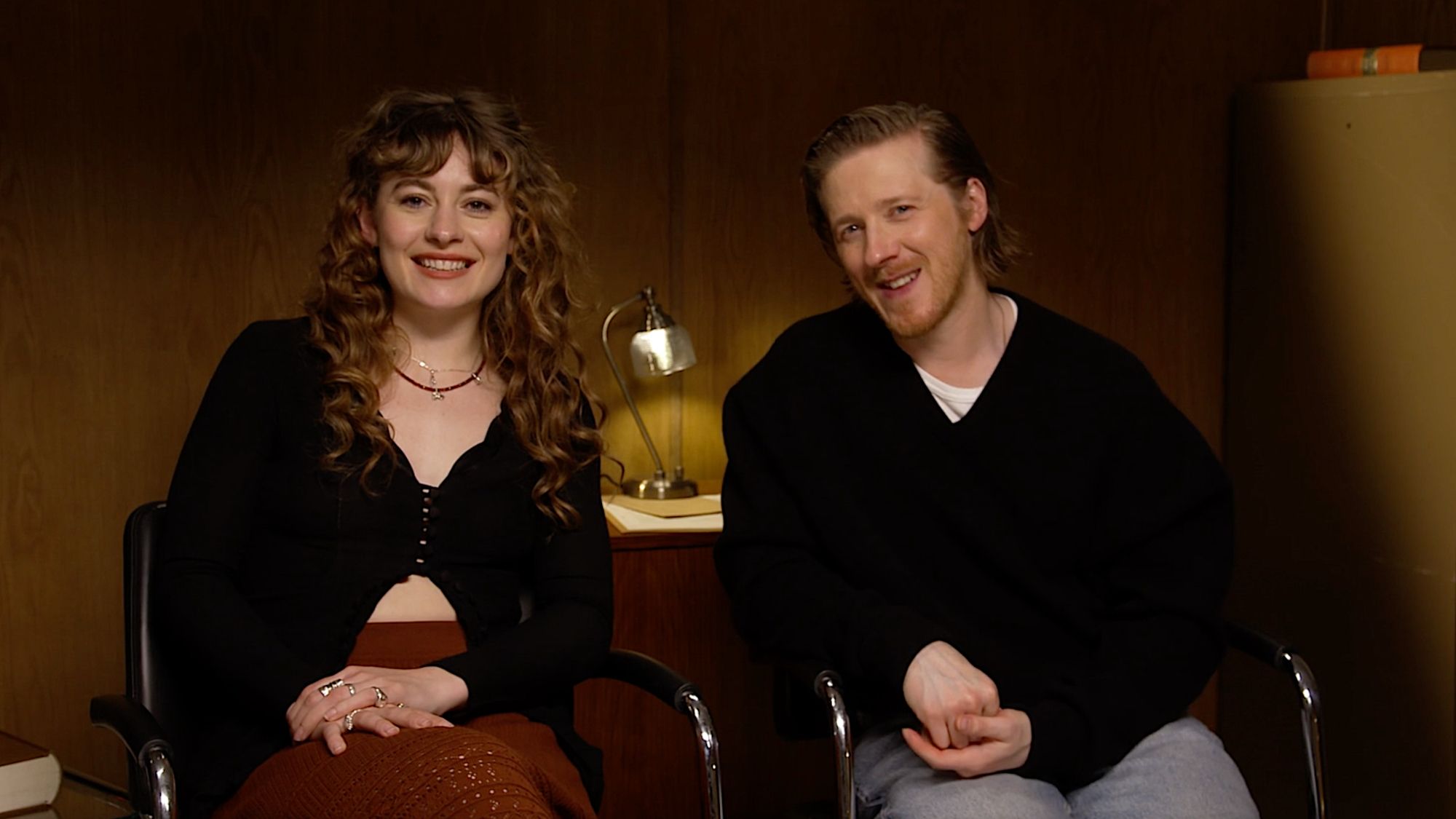
One of the main couples in Apple TV's Soviet-centered spinoff of their flagship alt-history series, "For All Mankind," is portrayed by Ruby Ashbourne Serkis and Adam Nagaitis, who are perfectly cast as Tanya and Valya Mironov. Valya is one of the Soviet Union's primary cosmonauts whose Luna 16 command mission in Sept. of 1969 lands the first woman on the lunar surface, Anastasia Belikova (Alice Englert).
But the Mironovs have more than a few secrets of their own as they struggle to stay out of the way of Star City’s prying eyes and ears, monitoring every word and whisper. We connected with Serkis and Nagaitis to hear much more about the core of their connected characters, embracing the essence of late ‘60s and early ‘70s Soviet culture, and playing a married pair under the pressures of the communist regime.
"What I like most about Valya, without any spoilers, is that his internal world was fascinating to me," Nagaitis tells Space. "He’s resilient and dedicated, and he's specific and reliable, and those things are useful for an actor because it gives you a focal point, which is always a good thing."
For Serkis (and yes, she is the daughter of "The Lord of the Rings" star Andy Serkis), there's a certain measure of love and sympathy for Tanya that provides an emotional cushion.
"I have a real soft spot for her, and I feel really sorry for her," she reveals. "I think she's someone who craves freedom and expression and connectivity, and her life at Star City is slightly devoid of that. So she has to seek out what she can in order to make it happen for herself
"I like her place in the show", continues Serkis. "I don't think I have the mental capacity to play a scientist. I’ve always seen her as representative of the Soviet wife and the dreams and hopes and ambitions that young women have growing up that would have been dashed and sacrificed with a husband. I like that she’s solid and she’s humanity, and I love that they include her amidst all the space.
"I think it's a really interesting environment to delve into. Ultimately, it's a culture of survival. As terrible and harrowing as things were, people just had to get on with it. And that was something that was useful to try and click into."