// NATURE NEWS — SPAZIO & SCIENZA
Robert Williamson obituary: geneticist who mapped genes for muscular dystrophy and cystic fibrosis
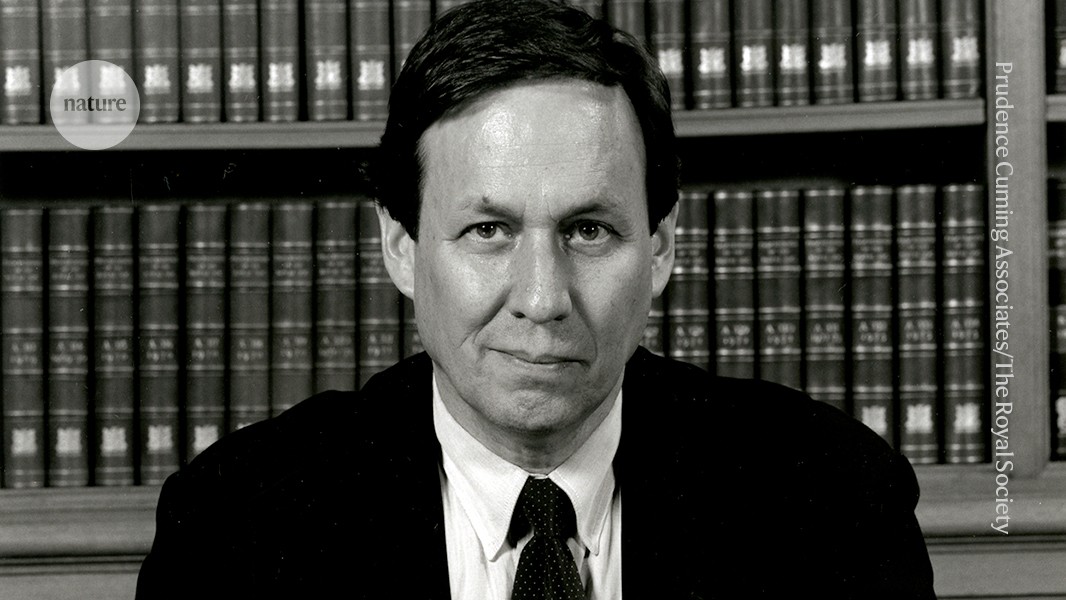
Kay E. Davies is Dr Lee’s Professor of Anatomy emeritus at the University of Oxford, Oxford, UK. She was a research fellow with Williamson at St Mary’s Hospital.
Search author on:
PubMed
Google Scholar
Credit: Prudence Cuming Associates/The Royal Society
Robert (Bob) Williamson was a geneticist who dedicated his career to the identification of disease-linked genes and the diagnosis and treatment of single-gene disorders. He was concerned about the ethical implications of population-wide genetic screening and using stem cells in research. Williamson was one of the first to use DNA markers to locate the position of important human disease-associated genes on chromosomes. He mapped the location of genes linked to cystic fibrosis (CF) and Duchenne muscular dystrophy (DMD). This led to the development of genetic tests to identify people who carried DMD-related gene alterations, extending the range of counselling provided to affected families.
He was an astute politician, bringing together people from across the field of health care — from genetic research to the bedside — and working closely with patient advocacy groups and the UK government. After moving from the United Kingdom to Australia, he became interested in national science policy and medical and scientific ethics. There, he advised several premiers and ministers.
All the ways a cell can die — and why the variety matters
Williamson was born in Cleveland, Ohio, and spent his childhood in New York City. When he was 16 years old, his family moved to London. After doing undergraduate and graduate degrees in chemistry at University College London, Williamson moved to the University of Glasgow, UK, in 1963 to become a lecturer in developmental biology. There, his research focused on globin genes, which encode the protein components of the oxygen-carrying haemoglobin molecule. His group showed that blood disorders known as thalassaemias were often caused by deletions in the genes encoding α-globin and fetal haemoglobin. He later collaborated with others to develop prenatal diagnosis and testing methods for carriers of these disorders.
His work on haemoglobin synthesis in immature red blood cells led him to study the control of gene expression. Puzzled about unexpected free-floating DNA fragments that hindered his work, he reported in 1970 that this cell-free DNA was released by the nuclei of cells that had died during development (R. Williamson J. Mol. Biol. 51, 157–160; 1970). In the same paper, he described the ‘nucleosome ladder’, a gel-electrophoresis pattern that reflected how DNA was organized in chromosomes. Williamson was particularly proud that these observations were recognized; his paper was published three years before the biological importance of nucleosomes was realized and several decades before cell-free DNA became a valuable diagnostic tool for cancer and other conditions.
CRISPR’s next act: the companies editing the epigenome to treat disease
History’s long-secret codes are being cracked by amateurs using AI