// SPACE.COM — SPAZIO & SCIENZA
Elon Musk wants to put 1 million AI satellites in space. Here's how SpaceX could do it
"We've got a pretty good idea of how to operate, just really large constellations, and do it safely now, right? We are the only operator that has any experience of that scale."
When you purchase through links on our site, we may earn an affiliate commission. Here’s how it works.
SpaceX CEO Elon Musk outlined more details for his company’s planned data centers in space ahead of a widely anticipated IPO on Friday (June 12) expected to make him a trillionaire.
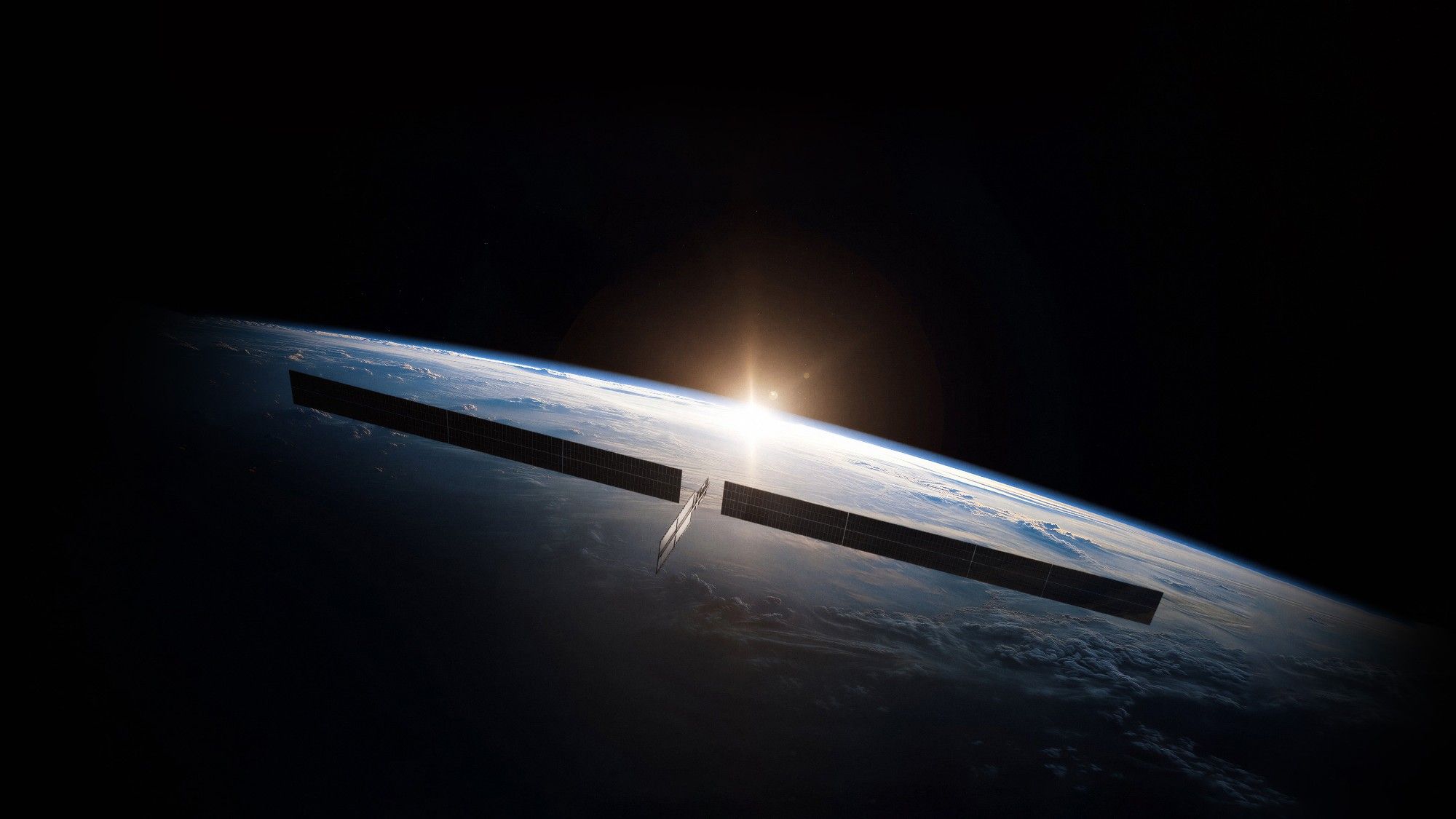
A new half-hour video offers a typical Elon Musk fireside chat about where the billionaire founder of SpaceX wants to be taking his technology next. In the video posted on X on Monday (June 8), Musk described launching AI satellites, with "a lot of solar cells", as well as radiators and high-speed optical (laser) links for communication. SpaceX also expects to launch an AI-satellite-focused production facility by the end of next year, to be "operating at some reasonable volume," Musk said. "So, if anybody wants to work on AI satellites, this is kind of going to become the hub of that."
The common pitch among these companies is that space is necessary to generate AI capabilities because data centers on Earth are running out of physical space to host them, as well as lacking community support out of concerns about significant power and water usage by these big computing hubs. The challenge is that orbital data centers are mostly notional, and not actually demonstrated by operating tech — at least yet. But SpaceX is confident it can develop the necessary technologies to make an AI data center constellation a reality.
The next generation of Starlink satellites SpaceX is developing already possess a lot of the tech needed to advance to AI centers, according to Musk. "A lot of this technology, we've already made for the Starlink V3 satellites," he said. "Basically, we don't think this is a super-hard problem, compared to things we already do."
Musk described "racks of compute" (referring to the banks of computer chips on each satellite) that would connect with each other through laser links between the AI satellites, as well as with Starlinks. The data could be sent to the ground using antennas, or laser links at "not a particularly high latency" (meaning, high speed).
Each AI satellite, Musk said, would generate 150 kW of power at peak, and 120 kW consistently, and would launch aboard SpaceX's heavy-lift Super Heavy and Starship vehicles the company is still testing out every few months for eventual mission operations.
The SpaceX CEO also appeared to wave off concerns about overcrowding low Earth orbit, even after numerous reports have emerged about Starlink satellites having to maneuver away from each other or from other spacecraft. (SpaceX's Starlink constellation is currently at 10,000-plus operational members, according to analyst Jonathan McDowell.)
"There's a lot of space up there, and so even when you're talking thousands, or even — you know — up to a million satellites, yeah, you got plenty of room to move around up there. Space is really big, so it's not like space is going to get crowded," Musk said in the video.