// SPACE.COM — SPAZIO & SCIENZA
You don't have to go to the moon to see Earth differently: Artemis II astronaut Victor Glover on what really matters
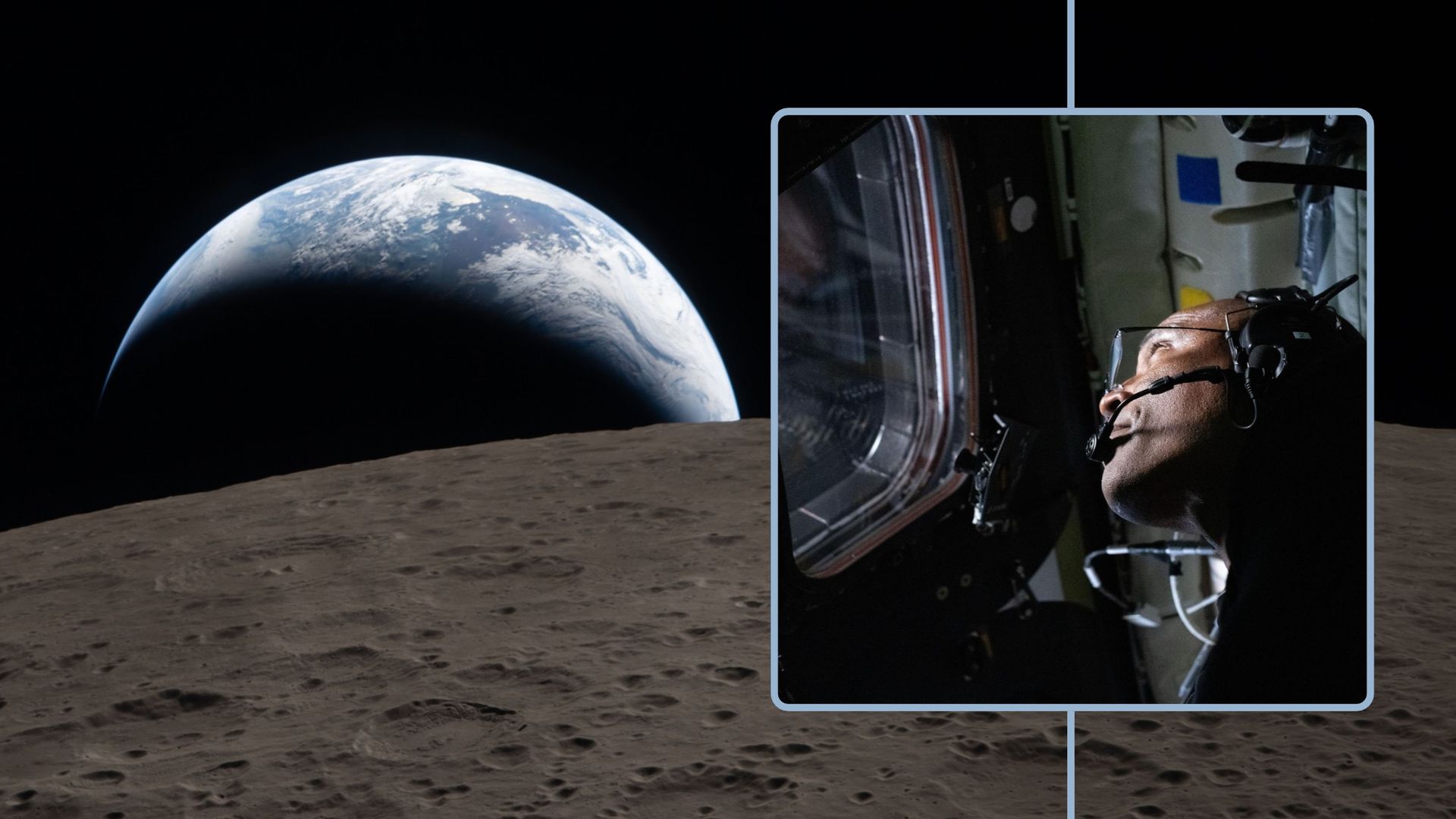
After a record-breaking journey around the moon, Artemis 2 astronaut Victor Glover explains why you don't need to travel into space to see Earth differently.
When you purchase through links on our site, we may earn an affiliate commission. Here’s how it works.
TENERIFE, Canary Islands — Imagine traveling over 250 million miles from home, watching Earth disappear behind the moon and losing contact with the billions of people who call it home. What would you miss most? For Artemis II astronaut Victor Glover, the answer wasn't a particular place, a familiar view or even the comforts of home. It was something much more fundamental: human connection.
Speaking during a discussion with former astronaut Chris Hadfield at the Starmus VIII festival on Oct. 18 in Tenerife, Canary Islands, Glover reflected on the extraordinary experience of traveling around the moon and how being so far from Earth had given him a renewed appreciation for the people living on it.
"The greatest reason to go to space, it isn't to be a swashbuckler hero," Glover said. "It's to do something that only 651 people have been able to do: miss Earth and miss other Earthlings."
Glover was one of the four astronauts aboard NASA's Artemis II mission, which launched on April 1, 2026, marking humanity's first crewed journey to the moon since Apollo 17 in 1972. Alongside NASA astronauts Reid Wiseman and Christina Koch and Canadian Space Agency astronaut Jeremy Hansen, the crew traveled farther from Earth than any humans before them.
As the Orion spacecraft traversed the far side of the moon, the Artemis II crew watched Earth disappear below the lunar horizon before losing radio contact with our planet. Around 40 minutes later, Earth came back into view as the spacecraft emerged from behind the moon.
For Glover, however, the experience was about much more than the view. He believes that if everyone on Earth had the opportunity to make the same journey, they would come away with a similar appreciation for what they'd left behind.
"I think all of us would say something in our native language, in the most basic way we can communicate about love, joy, hope and inspiration," Glover said.
Although Glover shared the extraordinary journey with three fellow astronauts, the four of them were separated from the rest of humanity by hundreds of thousands of miles.